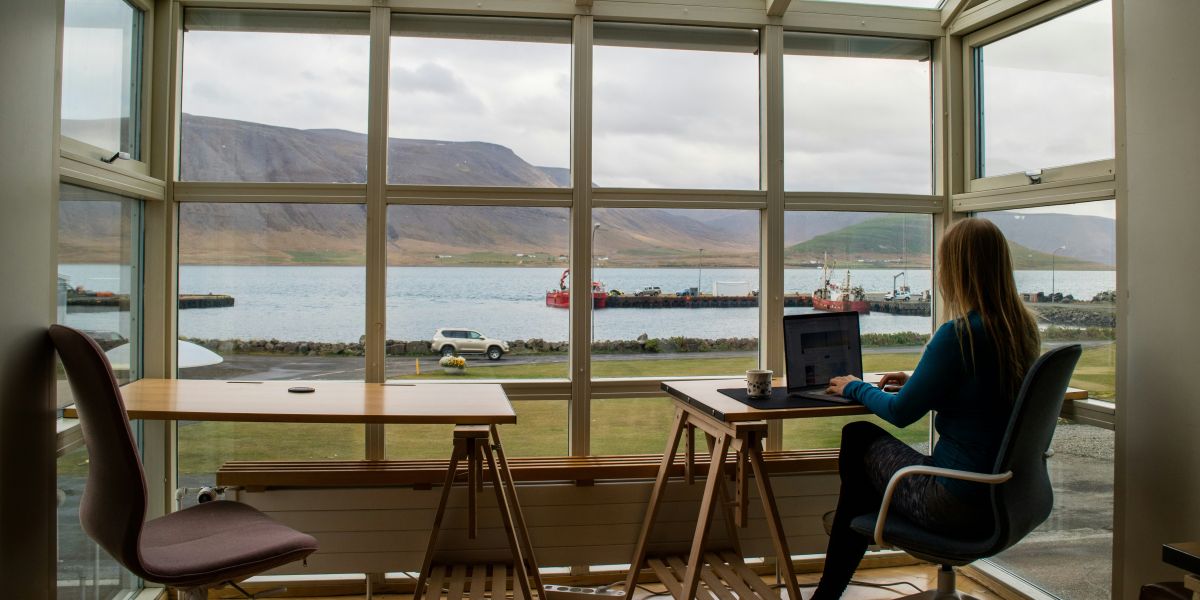


Not long ago, the idea of working remotely from your kitchen table while sipping coffee in sweatpants felt like a luxury. It was reserved for rare freelancers or tech employees in niche roles. Fast-forward a few years, and remote work has moved from the fringe to the forefront. Today, it has become a central part of how people live and work across the country. While the shift has brought changes to office culture and daily routines, it’s also quietly influencing the housing market in ways we’re only beginning to fully understand. From pricing fluctuations in unexpected zip codes to a reshuffling of priorities for homebuyers and renters, the rise of remote work is leaving its mark on where and how Americans want to live. In the rest of this article, we’ll explore how remote jobs are impacting housing trends and how these shifts might affect you.
Rising Prices in Unexpected Markets
When the geographic ties to a physical workplace loosen, people start exploring new housing markets. With increased interest in previously overlooked areas, home values and rents in these regions have tended to increase. For instance, markets like Sullivan County and Buffalo have experienced noticeable increases in both. While this can be favorable for long-time homeowners in those areas, it also creates affordability challenges for local residents who are now competing with remote workers from higher-cost cities. In some ways, remote work has broadened the housing market, but not without some friction.
For sellers, this demand can present an opportunity, but it also comes with pressure to move quickly and strategically. If you’re planning to leave a high-demand area for a more affordable market, it’s important to coordinate selling and moving carefully. Timing matters more than ever. With inventory tight and competition rising, lining up your sale and securing your next home requires planning, flexibility, and in some cases, temporary housing solutions.
Suburbs and Small Cities Are Getting Their Moment
In the past, many people chose their homes based on commute times. Living close to downtown areas or transit lines was often a top priority. But as more workers log in from home instead of clocking in at the office, proximity to business districts has taken a backseat to other factors: affordability, space, and quality of life.
Places like Boise, Asheville, and Missoula have seen an increase in interest from buyers who are no longer tied to big-city offices. Smaller cities and rural areas with solid internet infrastructure and good schools are seeing growth that was once considered unlikely. These towns offer outdoor access and a slower pace, two things many remote workers now value more than ever.
Urban Rent Drops and the Reimagining of Downtowns
While remote-friendly towns flourish, traditional urban powerhouses like SF and NYC saw something surprising in recent years: people leaving. That trend has started to stabilize, but the long-term effects are still playing out. As workers realize they don’t need to be in the city full-time, they’re reassessing whether the high rent and cramped square footage are worth it.
This doesn’t mean cities are declining, but it does suggest they are adapting. In many downtown areas, there’s been a push to reimagine commercial buildings as residential units. Some developers are converting empty office spaces into apartments or mixed-use spaces to meet shifting demand. With more flexible work models available, urban living may begin to focus less on proximity to employment and more on culture, convenience, and remote lifestyle.
The Home Office Is Now a Dealbreaker (or Deal-Maker)
Another impact remote jobs are having on housing trends is seen in what buyers are looking for. This is especially true in terms of layout. Homebuyers used to prioritize granite countertops or updated bathrooms. Today, if you’re putting a house on the market, it might need a dedicated office, or at least a space that can function as one.
That’s shifted how people view square footage and layout. Open-concept living, once the gold standard, is being reconsidered in favor of defined spaces that can offer privacy during Zoom meetings.
The Return of Multi-Generational Living
Another ripple effect of remote work is how it intersects with other life changes, like caregiving and parenting. With more flexibility, some families are reuniting under one roof. Adult children are moving back in to save money while working remotely. This way, they can take care of their aging parents without having to leave for the office every day.
This trend is influencing the types of homes people are buying. Properties with in-law suites, guest houses, or flexible floor plans are in demand, and builders are beginning to take notice. It’s not just about having space, it’s about having the right kind of space for a new kind of household.
Rethinking What “Location, Location, Location” Means
Real estate’s oldest saying, “location is everything,” is still true. But what qualifies as a “good location” is being redefined. Instead of just looking for access to offices and public transit, buyers and renters are focusing on lifestyle: walkability, natural beauty, access to high-speed internet, and community feel.
In this landscape, a quiet cul-de-sac near a trail system or a house in a vibrant small-town neighborhood can rival the appeal of a high-rise condo near a financial district.
Flexibility as a Housing Strategy
For many, remote work has introduced more than just freedom from a commute; it’s introduced the idea that where you live doesn’t have to be permanent. As a result, we’re seeing a rise in nomadic lifestyles. Some remote workers are traveling and trying out new cities for a few months at a time, using short-term rentals as test runs before committing to a new hometown.
This trend is driving demand for flexible leases, furnished rentals, and creative housing solutions like co-living and modular homes. It also challenges cities and towns to make themselves attractive not just to lifelong residents, but to this new wave of mobile professionals who might stay six months or six years.
Final Thoughts
The answer to the question of what remote jobs are doing to housing trends is complicated. From which cities are booming to how homes are designed, the ripple effects are widespread and ongoing. As more companies adopt hybrid or fully remote policies, and more individuals discover the freedom to choose where they live without career penalties, housing patterns across the country will likely continue to evolve. For anyone looking to buy, rent, build, or invest, keeping an eye on these shifting preferences is more than smart—it’s essential. Because when work can happen anywhere, so can home.