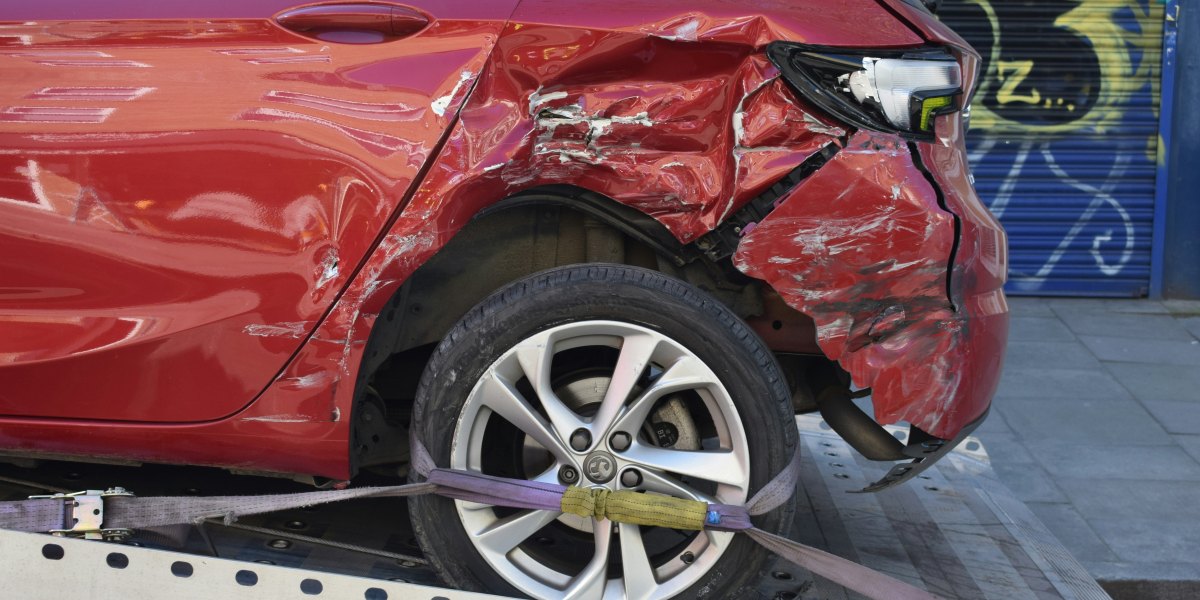


Car accidents shatter lives. In New York, the state’s complex no-fault insurance system and diverse urban and suburban driving conditions contribute to significant accident-related injuries and claims annually. According to the New York State Department of Motor Vehicles, the state reports over 300,000 motor vehicle crashes each year, with approximately 140,000 resulting in injuries. The New York State Unified Court System data shows that personal injury cases involving serious injuries in New York courts often result in settlements and verdicts ranging from hundreds of thousands to millions of dollars, depending on factors like injury severity, liability, and long-term impact on the victim’s life and earning capacity.
People endure painful physical and emotional wounds, facing mountains of medical debt and lost earnings. Being aware of what attributes a car accident case with value will have allows the injured parties to understand how to seek compensation. If you’ve been injured in a collision, consulting with a car accident lawyer serving New York can help you understand the factors that influence your case’s value and ensure you pursue the full compensation you deserve. Here, we unpack the elements that boost a case’s worth. Find out exactly what victims can do to land a stronger result.
Severity of Injuries
The severity of the injuries suffered in a car accident is a major factor in the overall value of that type of case. Serious physical harm typically brings substantial financial burdens for care, extended periods of recuperation, and significant disruptions to one’s personal schedule. When these problems disrupt someone’s daily routine or prevent them from working, the payments often become much larger.
Settlements are usually larger for permanent injuries like spinal injuries and loss of limbs. Continued medical treatment, possibly rehabilitation, and loss of income availability can increase the value of the case significantly. Psychological trauma and mental anguish may also compensate for visible injuries like scars.
Medical Expenses
Medical costs are a major factor in your car accident case. Costs consist of room charges, surgical operations, medications, physical therapy, and some other specialized care. According to the Centers for Disease Control and Prevention, motor vehicle crash injuries result in significant medical costs, with severe injuries often requiring extensive emergency treatment, hospitalization, and long-term rehabilitation. It is important to document all medical treatment because this helps to confirm that these costs will be covered in the settlement.
Anticipated additional medical treatment has the potential to enhance the claim value. If the victim needs extended care or constant treatment, future costs should be included. This ensures that the victim will not be burdened with finances once the case is over.
Lost Wages and Earning Capacity
Missed work is common in the wake of accidents, and it means time without pay. Wage-loss compensation accounts for time needed away from work for recovery and doctor visits. Should a serious injury genuinely prevent you from resuming your prior occupation, your compensation request may then encompass the financial repercussions of a reduced ability to generate income throughout your remaining professional life.
You really need to see how this impacts what jobs you can get later. These losses must equal what the victim will lose in the settlement if a work injury prevents the victim from working or advancing up the work ladder. Expect a lot of detailed checking and professional statements to tally up these losses.
Pain and Suffering
In addition to monetary damages, car accident cases often also lead to pain and suffering. This subjective part focuses on the physical pain and the emotional suffering of the victim. These may include, but are not limited to, anxiety, depression, and loss of enjoyment of life.
Pain and suffering are some of the most difficult damages to calculate because they encompass the totality of the person’s life. It covers the sharp sting or dull ache you feel, how many hours or days it lasts, and if it makes simple chores impossible. Less quantifiable, but just as important in determining the case value.
Liability and Negligence
Establishing liability for an accident is essential. The presence of clear liability against the defendant can boost the victim’s payout. Gather police reports, witness stories, and pictures; they show negligence.
If another party was also negligent, this is something that can affect the settlement, too. If the victim in any way contributed to the accident, this can minimize the compensation. Figuring out a case’s likely financial outcome hinges on local rules for split blame. These specific regulations directly shape how we calculate what a claim might pay.
Insurance Coverage
Finally, both parties involved in the car accident can influence the settlements through their respective insurance policies. The at-fault party’s insurance coverage can also limit the compensation. If the insurance is not enough, you may have to look to other resources, such as personal assets.
Uninsured/underinsured motorist coverage can provide extra money when the party responsible has either no insurance or insufficient insurance. Examining all applicable policies ensures you don’t overlook any potential financial obligations.
Conclusion
What a car accident case is worth depends on many things. How serious the injuries are and the lawyer’s skill really matter. Understanding these crucial factors empowers victims and their families to pursue the financial compensation they deserve. Victims can secure a positive outcome by taking all of this, including medical bills, lost wages, pain and suffering, liability, and insurance coverage, into consideration. Bring in an experienced lawyer, and your shot at a settlement that really covers the accident’s full toll on your well-being jumps significantly.
Disclaimer: The information provided in this article is for general informational purposes only and should not be construed as legal or financial advice. Readers are encouraged to consult with a qualified attorney or insurance professional to address their specific legal or financial needs regarding car accidents and claims.