

In the realm of architecture, the intersection of technology and creativity serves as a wellspring for innovation. Setting out from China, Wanchen embarked on her professional journey with the determination to transform dreams into creations that wield global influence. Her profound understanding of both classical and modern architectural aesthetics, coupled with her endless exploration of high-tech applications in architectural design, has forged her core identity as an architect. Wanchen’s story is a tale of dreams, innovation, and contributions to society, with each step bringing new surprises to the architectural world.
In 2014, Wanchen entered Fuzhou University’s architecture program, gaining foundational design knowledge and a unique perspective on balancing aesthetics and functionality in architecture. Her outstanding academic performance and enthusiasm led to several scholarships, underpinning her future academic and professional growth. During the summer of 2016, she participated in a survey in Hongcun, Anhui, which influenced her. This exposure to traditional Chinese architecture in Hongcun deepened her understanding of historical aesthetics. She documented traditional buildings and helped rebuild homes after a fire, realizing architecture’s role in art, social responsibility, and humanitarian care.
In 2017, Wanchen’s talents were more widely recognized when her works were shortlisted for “The 80 Best Drawings” by the large architectural media, Archdaily. This honor was not only an acknowledgment of her skills in architectural drawing but also an important milestone in her architectural career. Since then, she had the dream of having more influential international architecture.
With the dream in mind, Wanchen enrolled in the University of California, Berkeley to pursue a Master of Architecture in 2019. Under the tutelage of renowned architect Ronald Rael, her research focused on exploring the potential of 3D printed earth as a building material, combining parametric design and sustainable design. Beyond theoretical research, she actively participated in field trips, visiting several historic buildings made of earth in California.
These visits not only deepened her understanding of clay materials but also provided inspiration for her subsequent creations. She created several works, including projects that utilized 3D printed units to generate architectural envelope designs and quick-assembly dwellings for Sudanese refugees. These works reflect Wanchen’s profound insights into the application of high technology in architecture, including architectural facade elements made using 3D printing clay that can be adjusted by the inhabitants’ hand interactions to change the appearance and internal environment of the building and rapid constructed 3d printed earthen vault that could be custom made to the refugee’s needs.
Notably, her design for Sudanese refugees employed a high-tech, low-cost construction method inspired by traditional earth building, where soil forms the base of the walls and wood is used to support the roof. This method is particularly suitable for providing dwellings for refugees in Sudan, where 3D printed architectural walls serve not only as structural enclosures but also integrate living design elements, making the moving-in process quick and convenient. Wanchen and her team member Sinae Jung further explored the combination of wood and clay materials, embedding wooden components like beams and stairs in the 3D printing process to enrich the functionality and aesthetics of buildings. This exploration not only represents a modern interpretation of traditional architectural craftsmanship but also emphasizes the potential application of sustainable architectural practices in solving urgent housing issues.
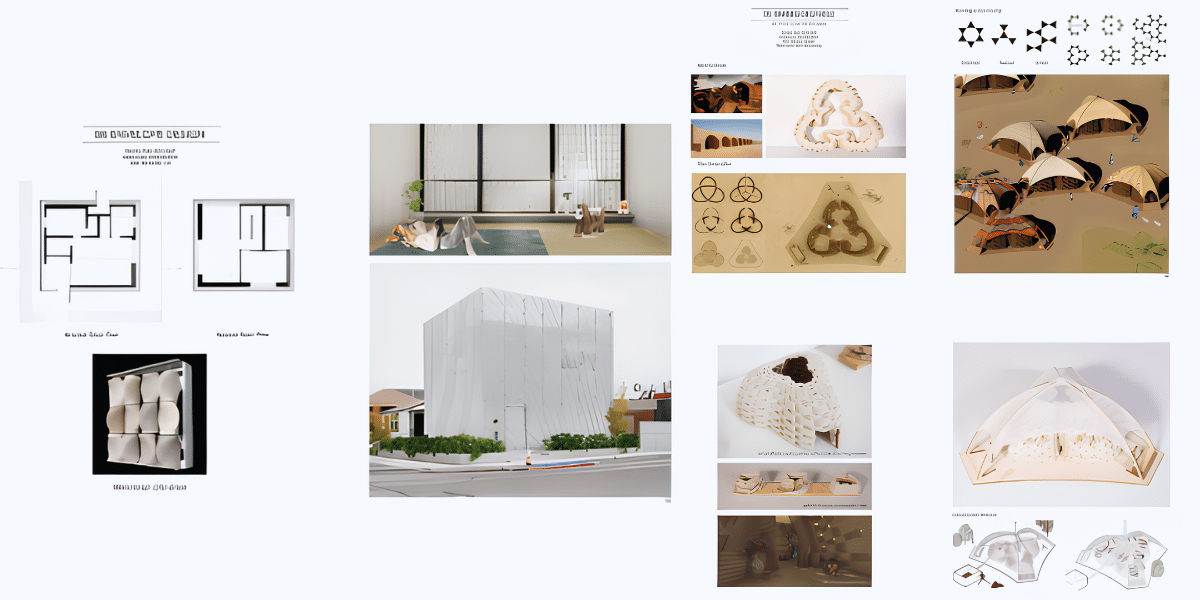
@Refugee House Design Collab with Sinae Jung (Photo Courtesy: Wanchen)
After graduating, Wanchen joined Studio S Squared Architecture, Inc., in the San Francisco Bay Area, serving as a project manager. Here, she managed multiple residential building projects, covering a variety of design styles from contemporary to modern prairie style. In this role, Wanchen demonstrated her exceptional design creativity and project management skills, earning high praise from clients and respect from her colleagues.
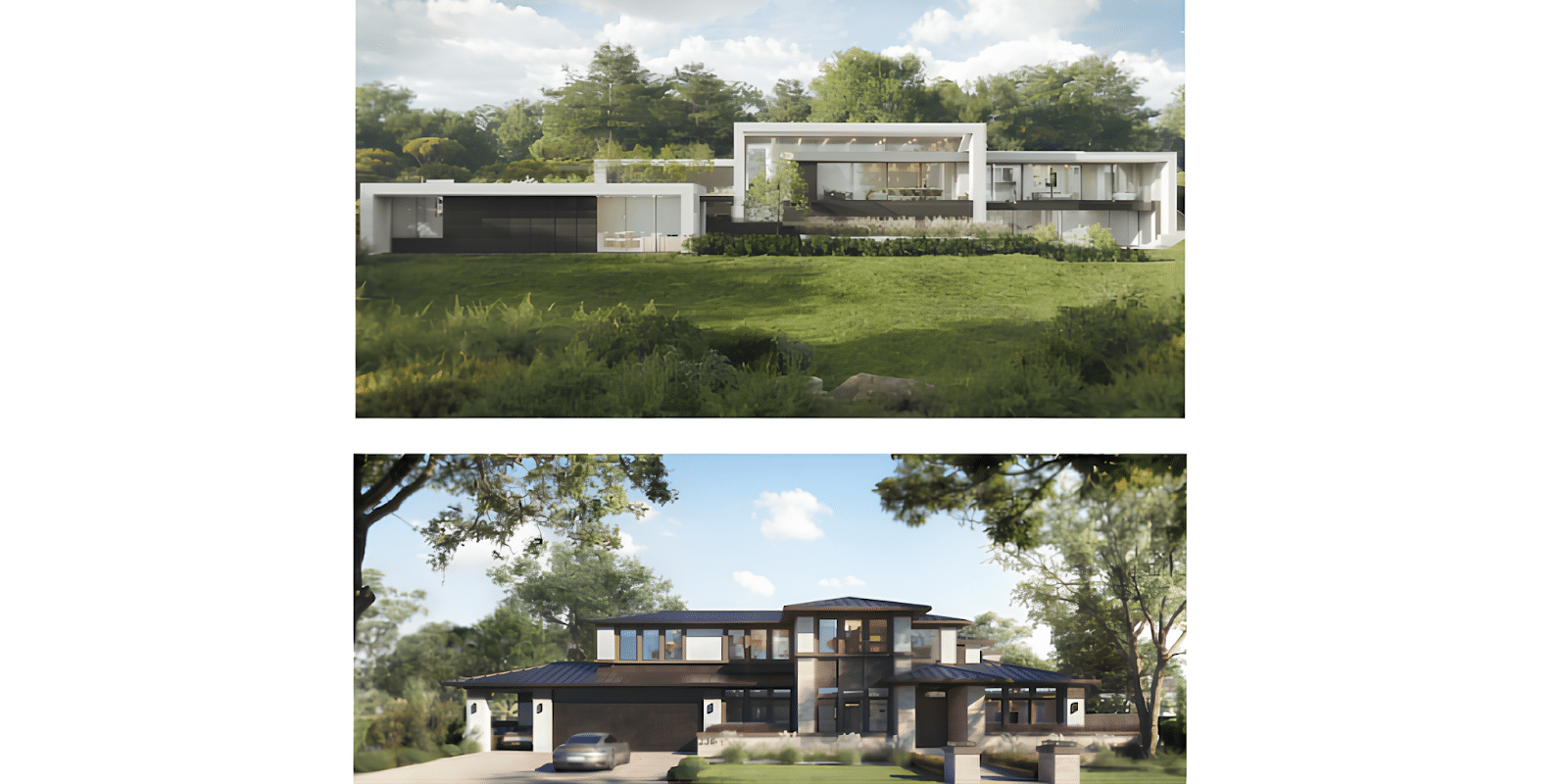
Photo Courtesy: @Studio S Squared Architecture Inc
Wanchen’s design philosophy emphasizes the harmonious coexistence of architecture and the environment. She carefully selects materials and technologies to ensure that each project reflects a deep understanding of environmental sustainability and occupant comfort. By applying modern architectural technologies, Wanchen successfully integrates innovative thinking into traditional architectural practices, setting a new direction for residential building design.
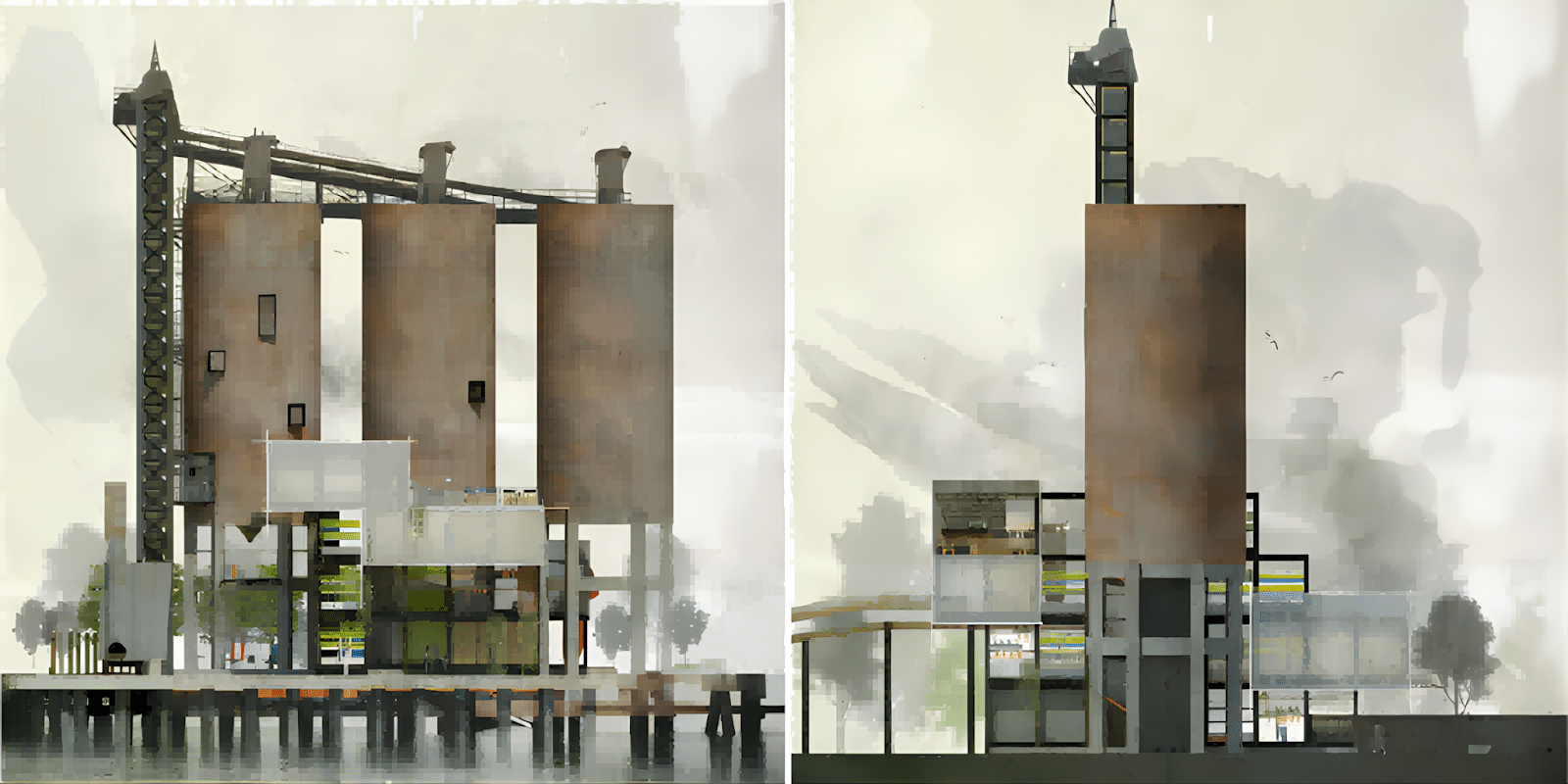
Wanchen’s commitment to utilizing architecture for humanitarian purposes extended beyond her academic pursuits. In 2023, she engaged in the AI X Biomimicry competition, an initiative by Never Enough Architecture and the Antoni Gaudí Foundation. Her team’s “Fog Catchers” project, inspired by the process of cacti absorbing water from the misty air, used external nets to capture atmospheric moisture and direct it inwards, providing a reliable and clean water source for the locals. This project not only demonstrated Wanchen’s deep respect and understanding of the natural world but also her ability to apply artificial intelligence technology in architectural design to address habitation issues in extremely hot environments under global warming. The project won second place in the competition and received over 3000 likes on social media, indicating its popularity and social impact.
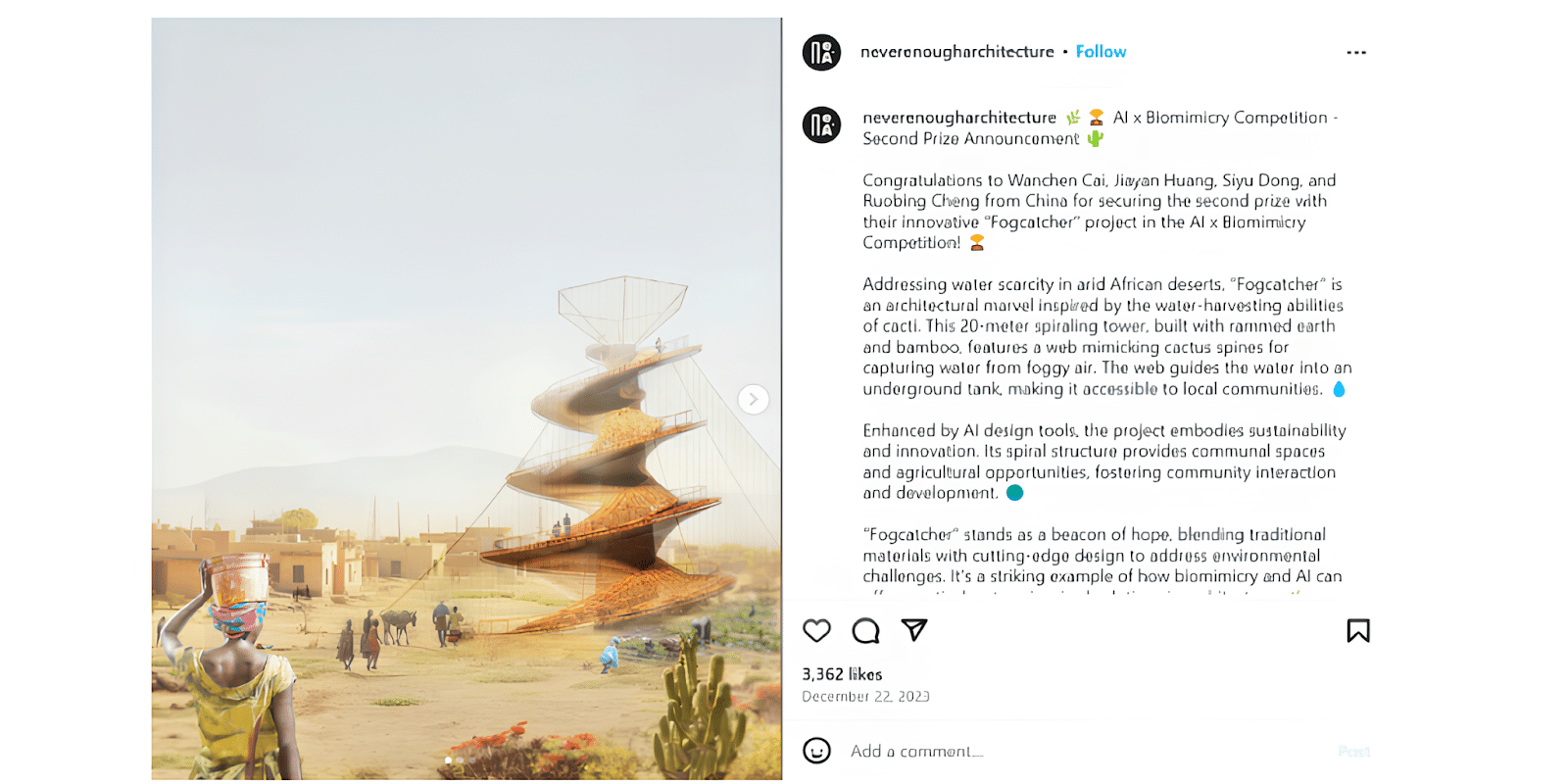
Designed by Wanchen Cai, Jiayan Huang, Siyu Dong and Ruobing Cheng
(Photo Courtesy: Wanchen)
Wanchen’s contributions have not only attracted widespread attention in the architectural design field but also earned her high praise and international recognition from industry designers. Her works are considered exemplars of combining aesthetics, functionality, and environmental sustainability, bringing new perspectives and insights to the architectural field. Throughout her career, Wanchen has not only gained recognition in design competitions but also important professional certifications, such as LEED GA certification. This certifies her knowledge and skills in promoting and implementing green building practices, further emphasizing her commitment to sustainable architectural design.
Wanchen looks forward to the future with anticipation and plans. She hopes to continue using her passion and talent in architecture to solve more societal issues. Wanchen believes that through continuous innovation and the application of technology, architecture can not only improve the quality of life but also become a force for promoting social justice and sustainable development. She plans to continue exploring how to combine architectural design with emerging technologies such as artificial intelligence and biomimicry to create buildings that are both beautiful and functional with minimal environmental impact.
Published by: Nelly Chavez