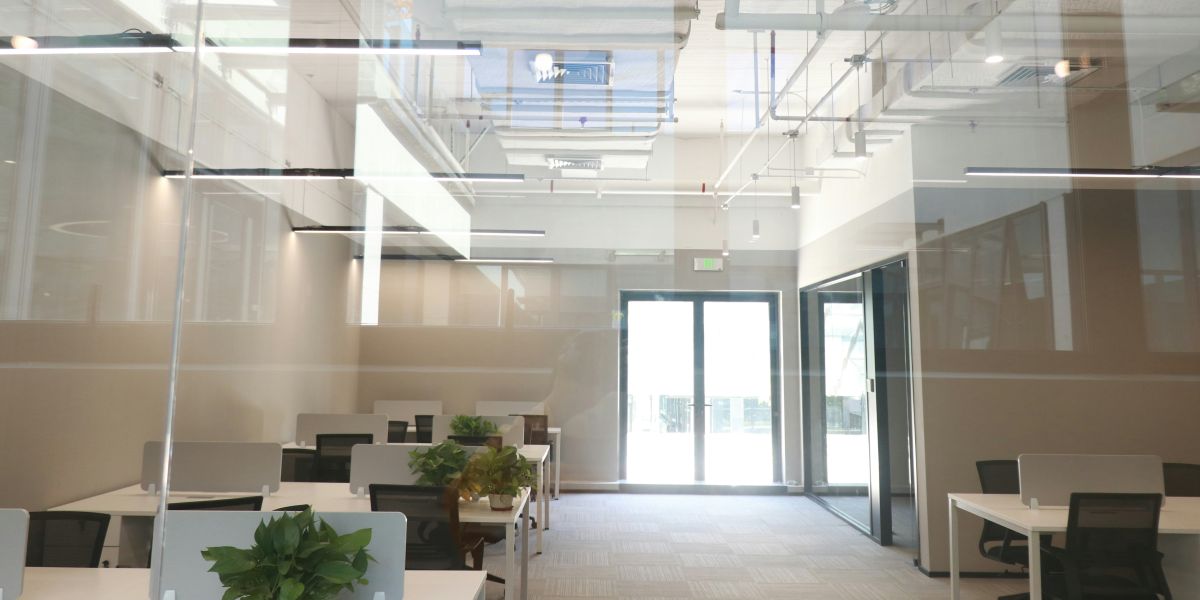


Picture this: A customer is walking through your store, minding their own business, when suddenly, a section of the ceiling could come crashing down on them. While incidents like a ceiling collapse are rare, they are the kind of event that might lead to significant challenges for a business with a serious claim.
Premises liability laws essentially state that if you own or operate a business, you’re generally responsible when people get hurt because your property wasn’t adequately maintained. We’re talking about slippery floors, broken fixtures, poor lighting – all those things that have the potential to turn a regular customer visit into a trip to the emergency room.
Understanding how these laws work, what kinds of issues could potentially cause problems, and how to address risks could help protect your business and avoid substantial financial strain in the event of an accident. Here’s what every business owner should know about this issue.
What Premises Liability Actually Means for Your Business
If you run a business, the law typically suggests that you have a duty to keep your property reasonably safe for people who have a legitimate reason to be there. This includes customers, but also delivery drivers, vendors, contractors – essentially anyone who enters your property for a valid purpose.
This doesn’t mean that everything on your property must be completely free of risks. That would likely be impossible. However, you do have a responsibility to be reasonable about fixing known problems and warning people about possible hazards. If someone slips on a wet floor that you were aware of but didn’t clean up or mark with a warning sign, this could be your responsibility.
Different types of individuals are given different levels of protection. Customers are generally given the highest level of care, while trespassers receive the least. But even trespassers may sometimes have a case if there’s something especially dangerous on your property that you didn’t secure.
The Types of Issues That Could Lead to Lawsuits
Structural problems can be particularly concerning, as they may cause serious injuries. Ceiling collapses, broken stairs, loose railings – if something like this fails, it could lead to significant harm. Jurors may be inclined to award substantial compensation for accidents like these.
Slip-and-fall cases are more common, though. Wet floors from spills or mopping, ice in parking lots during winter, torn carpeting, uneven surfaces – while these might seem minor, they have the potential to cause injuries that send people to the hospital regularly. Elderly customers, in particular, are often more vulnerable.
Security issues can also result in significant claims. If someone is assaulted or robbed on your property and you were aware that crime was an issue but didn’t take adequate steps to improve safety, this could contribute to claims, particularly in higher-crime areas.
Why Liability Claims Often Succeed
Investigations into accidents often focus on what the business knew and when.
Next, they have to show that you breached your duty of care by being negligent. This could mean you didn’t fix something you knew was broken, or you should have been aware of a hazard but failed to address it.
One of the most important factors is proving that you knew, or reasonably should have known, about the hazard. If a customer spills something and slips within seconds, you probably couldn’t have prevented that. But if your employees have been stepping around a loose tile for weeks, it’s reasonable to assume that you should have been aware of the danger.
Practical Risk Management Tips for Business Owners
Consider conducting regular inspections or assigning employees to do daily walkthroughs to look for potential problems. If you make it someone’s responsibility to check for hazards every day and document them (even just in a notebook), you are demonstrating a proactive approach to property maintenance.
Train your employees to look for hazards and to report them immediately. The employee mopping the floors should know to put out wet floor signs, and the one at the register should call for cleanup if a drink is spilled. Everyone needs to understand that it is not only the manager’s job to spot safety issues.
Maintain detailed records of repairs and maintenance. Consistently documenting how you address problems on your property shows a responsible attitude toward safety. This kind of recordkeeping can also be valuable to insurance providers, as it suggests a clear commitment to property upkeep and management.
How Businesses Often Respond After an Accident
First, it’s important to get medical help for the injured person if needed. At this point, focus on taking care of the injured party rather than worrying about liability. This approach can actually benefit you legally because if you neglect to assist an injured person, it may make matters more complicated later on.
Secure the accident scene and document it thoroughly. Take as many pictures as necessary to capture the situation. If there were any witnesses, gather their statements as well. Keep any evidence intact. Do not allow employees to clean up or repair the area until you’ve secured and documented everything.
Be careful about making statements that could be interpreted as admitting fault. While you can express concern for the injured person’s well-being, avoid saying, “I’m sorry – this was our fault.” Let the insurance company and your legal team handle the specifics of what happened.
Don’t Let One Accident Derail Your Business
Premises liability issues can have long-term financial and reputational effects on a business. Even an unexpected incident like a ceiling collapse can expose a business to significant liability and expenses if property maintenance has not been properly addressed.
If an accident does occur, respond quickly and thoughtfully to all related issues. Don’t panic, and don’t rush to accept responsibility. Let your insurance company handle the details (that’s what you pay them for). Understanding premises liability is not just about avoiding lawsuits – it’s about keeping people safe while protecting the future of your business.
Disclaimer: This article is for informational purposes only and should not be considered legal advice. While we strive to provide accurate and up-to-date information, it is important to consult with a qualified professional for advice specific to your circumstances.