

By: Natalie Johnson
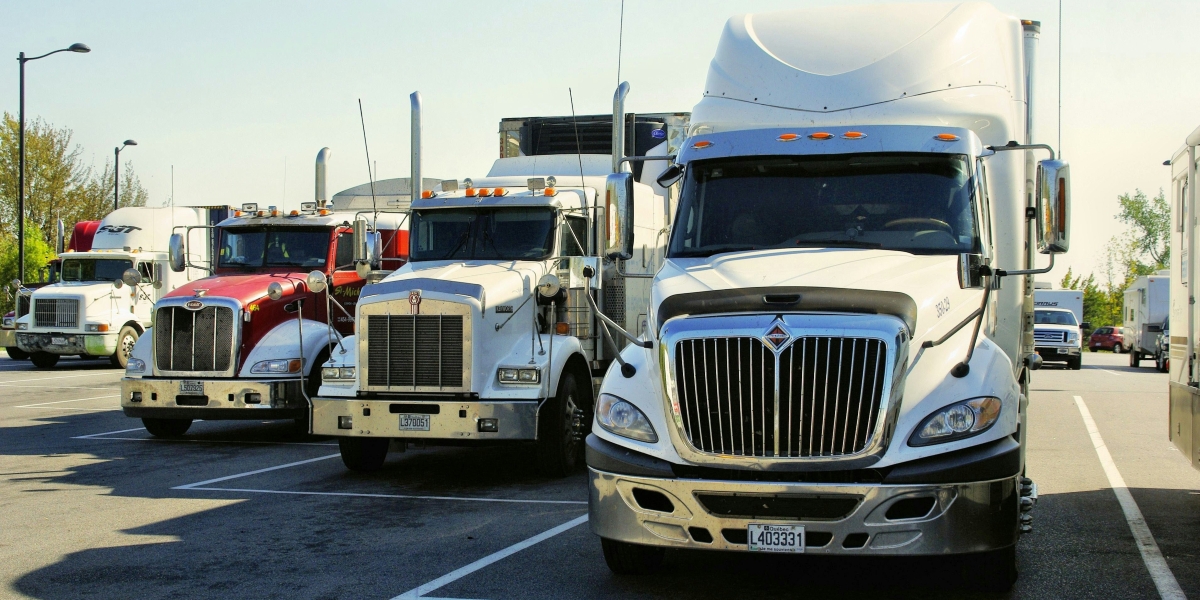
As the holiday season reaches its peak, traffic volume has ramped up significantly across the United States. While families travel to visit loved ones, a vast fleet of commercial trucks works to meet the explosive rise in consumer demand. However, this annual surge in logistics activity highlights a critical infrastructure failure that persists year-round: the dangerously limited supply of safe, legal truck parking.
This shortage presents a complex challenge not only to the logistics industry but also to everyday motorists sharing the highways during the busiest travel weeks of the year.
The Scale of the Shortage
Federal transportation data paints a stark picture of the deficit. Studies by the Federal Highway Administration (FHWA), often cited in reports regarding “Jason’s Law,” have consistently shown a massive shortfall, with estimates suggesting there is only one legal parking space for every 11 trucks on the road.
During the holidays, this imbalance becomes acute. Retail inventory replenishment and the surge in e-commerce demand necessitate precise delivery schedules. Consequently, fast-moving supply chains put additional pressure on highways, public rest areas, and freight corridors. Public rest stops are frequently filled to capacity by late afternoon, leaving drivers who work evening shifts with few safe options when their federally mandated break time arrives.
The Regulatory Dilemma
For millions of professional drivers, the lack of parking presents a catch-22. Federal Hours of Service (HOS) rules, strictly monitored by Electronic Logging Devices (ELDs), require drivers to stop and rest after a specific number of driving hours. When the digital clock runs out, the driver cannot legally move the vehicle.
When no safe spaces are available at truck stops or rest areas, truckers are forced to make a difficult decision: continue driving while fatigued and in violation of federal law, or park immediately in an unauthorized location. This leads to the phenomenon of trucks parked on highway shoulders, on-ramps, off-ramps, and abandoned lots. Drivers do not prefer these locations; they utilize them out of necessity.
Safety Risks for Motorists
This rise in improvised parking creates tangible risks for everyone on the road. Trucks parked on shoulders effectively narrow the roadway and create visual obstructions. Furthermore, re-entering high-speed traffic from a dead stop on a shoulder is dangerous for a vehicle weighing up to 80,000 pounds, as it requires significant time and distance to reach highway speeds.
With more trucks navigating crowded corridors this December, holiday travelers are urged to exercise increased caution:
- Slow down: Maintain safe speeds and avoid sudden lane changes near heavy vehicles.
- Create space: Give trucks plenty of room, especially in stop-and-go traffic, as they have large blind spots.
- Stay alert: Watch for parked trucks on shoulders and ramps, particularly at night or in low-visibility conditions.
- Exercise patience: Increased freight volume means more large vehicles moving through cities and interstates; aggressive driving around them increases accident risks.
While the shortage is a national infrastructure issue requiring government attention, the private sector has begun to step in with immediate solutions. Technology is playing a pivotal role in bridging the gap between drivers and available pavement.
Companies like Truck Parking Club are working to alleviate the problem by digitizing the search for parking. The platform unlocks underutilized spaces—such as private lots, tow yards, and storage facilities—transforming them into safe parking previously unavailable to the public. By connecting drivers with these reservable spaces, such platforms offer a safer alternative to the highway shoulder.
“The holiday season highlights a crisis that truckers face all year long,” said Evan Shelley, Co-Founder and CEO of Truck Parking Club. “Drivers are the lifeblood of the economy, but they’re often can’t even have anywhere safe to park. The challenges aren’t going away on their own; it will take innovative companies, public-private partnerships, and real community engagement to make a meaningful difference.”
Looking Ahead
As holiday freight surges continue through the end of the year, the nation’s parking shortage remains a persistent, urgent issue—one that affects truckers, travelers, and the overall safety of America’s roadways. While legislative efforts like the Truck Parking Safety Improvement Act continue to be debated in Washington, immediate awareness from motorists and innovation from the logistics sector are currently the effective tools available to help reduce accidents and ensure everyone reaches their destination safely.