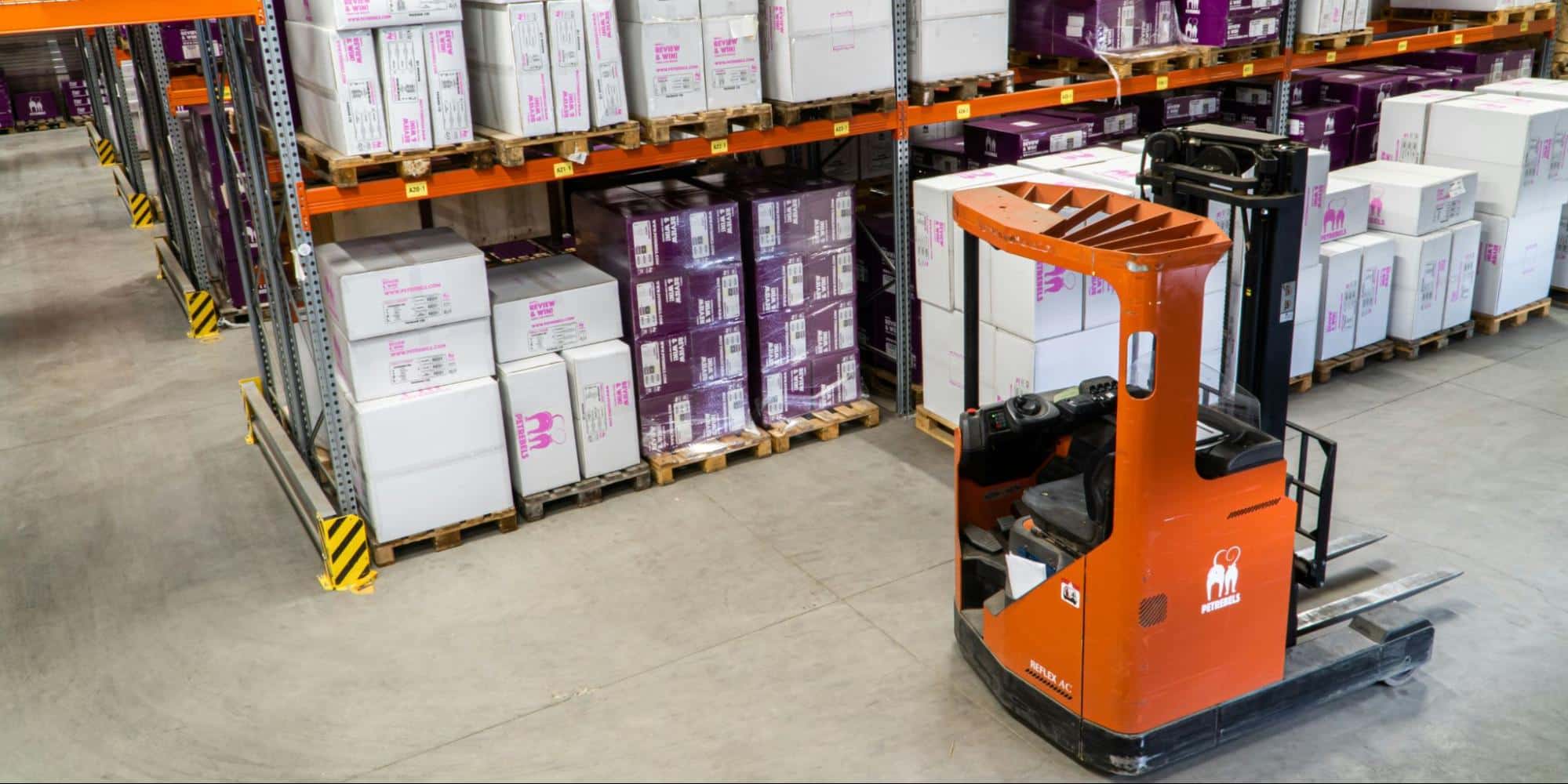


Staying ahead of the curve is crucial in an era marked by rapid technological change and shifting consumer expectations. Businesses must focus on efficiently managing physical assets to keep pace with these inventory management developments.
The following trends are not just influencing inventory management; they’re redefining it. Companies that embrace these advancements will find themselves better equipped to navigate the complexities of modern supply chains and meet the demands of tomorrow’s market.
1. Advanced Analytics For Real-Time Insights
The role of data in optimizing inventory management cannot be overstated. Advanced analytics has become a central feature of how businesses manage physical assets, providing the ability to make swift, informed decisions. This trend capitalizes on the power of data to fine-tune stock levels, anticipate market trends, and proactively respond to fluctuations in demand.
With the insights garnered from advanced analytics, companies can better manage inventory turnover, reduce excess stock, and avoid the costs associated with inventory obsolescence. By leveraging these analytical tools, businesses enhance their capabilities to manage physical assets efficiently and sustainably.
2. Sustainable Practices In Asset Allocation
Sustainability is more than a noble pursuit; it’s an essential strategy for modern businesses. Implementing sustainable practices in asset allocation signifies a company’s dedication to foresight and corporate responsibility. Today’s companies actively pursue ways to minimize waste, enhance resource efficiency, and make environmentally sound decisions.
The benefits of such practices extend beyond the preservation of the environment to include substantial cost savings, improved operational efficiencies, and a strengthened brand reputation among eco-conscious consumers.
3. Integration Of Internet Of Things (IoT) Devices
The rise of automation has brought IoT to the forefront of inventory management. IoT devices, which range from RFID tags to smart sensors, offer unparalleled transparency and monitoring capabilities across the supply chain. Embracing IoT not only aids in maintaining accurate inventory records but also exemplifies the rise of automation in modern inventory practices.
By monitoring stock conditions in real-time and initiating automated reordering processes, businesses can significantly reduce the risk of stockouts, minimize surplus inventory, and ensure that products are readily available to meet consumer demand. This trend is pivotal in the shift towards more automated, efficient, and responsive inventory management systems.
4. Artificial Intelligence (AI) For Predictive Forecasting
AI is transforming the way businesses forecast their inventory requirements. By analyzing historical data and identifying patterns, AI algorithms can predict future demand with impressive precision.
This trend shifts inventory management from reactive to proactive, enabling companies to keep just the right amount of stock on hand. AI-driven predictive forecasting helps businesses minimize carrying costs, optimize warehousing space, and ensure customers’ needs are met promptly and efficiently.
5. Blockchain For Enhanced Security And Transparency
Blockchain technology promises to bring enhanced security and transparency to inventory management. With its decentralized ledger system, blockchain creates an unalterable record of inventory transactions, fostering trust within the supply chain.
Businesses that adopt blockchain can benefit from reduced instances of fraud, fewer errors in record-keeping, and a more transparent view of the entire inventory lifecycle. This increased accountability and clarity can lead to improved partnerships, better compliance with regulations, and a more robust inventory management system overall.
6. Robotic Process Automation (RPA) To Streamline Operations
RPA is streamlining the repetitive tasks associated with inventory management. These technologies can handle many routine operations, from updating inventory records to processing orders and shipments.
In addition, this allows human employees to focus on more strategic tasks that require creative thinking and problem-solving. The result is a more efficient, accurate, and productive inventory management process, with reduced potential for human error and increased operational speed.
7. Customization Through Personalized Inventory
The trend of customization is significantly impacting inventory management strategies. Businesses must respond quickly in a marketplace where consumers demand products that cater to their unique preferences.
This trend calls for a flexible and responsive approach to managing stock, enabling companies to provide personalized products without sacrificing efficiency. Tailoring inventory to meet individual customer needs enhances satisfaction and loyalty and differentiates brands in a crowded market.
8. Distributed Inventory For Faster Delivery
With the rise of e-commerce, consumers now expect faster delivery times. This trend involves distributing inventory across multiple locations closer to the end consumer, known as micro-warehousing.
Businesses can drastically reduce delivery times and shipping costs by strategically placing stock in various regional warehouses or retail stores. This approach meets customer expectations for quick delivery and offers businesses the flexibility to adapt to demand fluctuations more effectively.
9. Enhanced Customer Experience With Inventory Visibility
Enhancing the customer experience is becoming increasingly important, and inventory visibility is critical to this trend. Giving customers real-time access to inventory levels and product availability empowers them to make informed purchasing decisions.
This transparency can lead to increased customer trust and satisfaction, as consumers appreciate the ability to view stock levels, track orders, and receive accurate estimates on product availability.
10. Collaborative Robotics In Warehouse Management
Collaborative robots, or cobots, are becoming integral to the inventory management process. Designed to work alongside human employees, cobots can perform various tasks, from picking and packing to sorting and storing inventory.
This trend is about integrating human and machine labor to create a more productive and efficient warehouse environment. Cobots can help reduce labor costs, minimize errors, and improve safety by taking on repetitive or dangerous tasks, allowing human workers to focus on more complex challenges.
Conclusion
As you navigate the dynamic world of inventory management, remember that staying ahead of these trends is not just a competitive advantage but a necessity. By harnessing the power of automation, AI, IoT, and other cutting-edge technologies, you can optimize your inventory processes, reduce errors, and make more informed decisions.
Published by: Martin De Juan