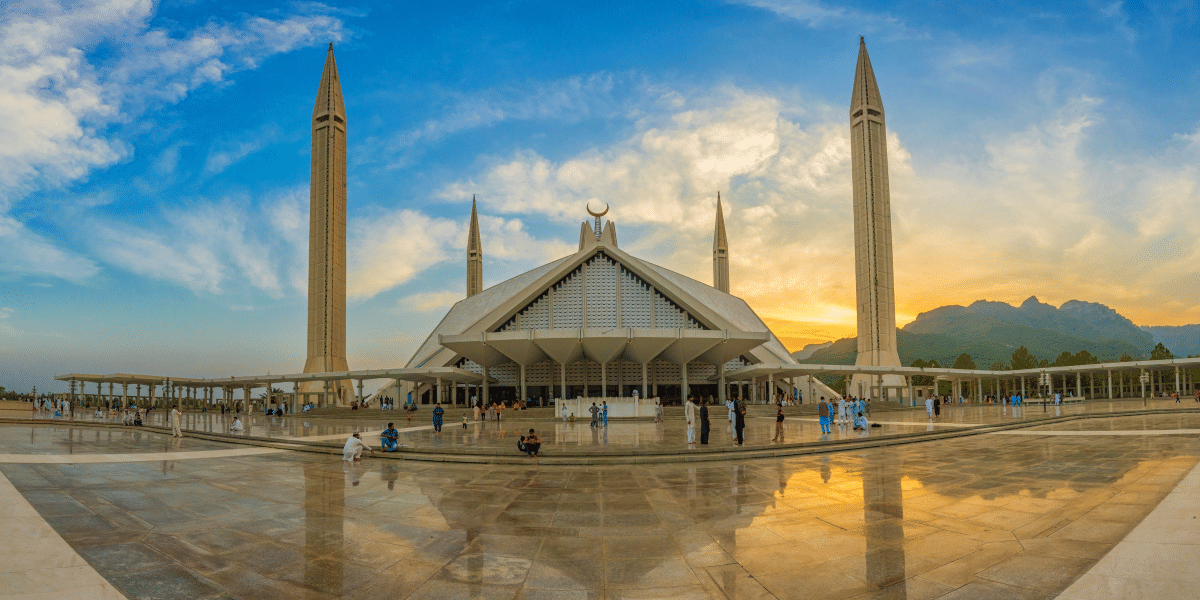


In recent years, Pakistan has increasingly become a focus of attention for travelers seeking untapped destinations, rich cultural experiences, and breathtaking landscapes. The country, often overlooked by mainstream tourism, is slowly shedding its image as a risky and underdeveloped destination, revealing a wealth of historical, natural, and cultural treasures that have the potential to position it as a major global tourism hub.
Historically, tourism in Pakistan has faced challenges due to security concerns and underdeveloped infrastructure. However, the situation has been steadily changing in the past decade. The country’s efforts to promote its diverse offerings—from the soaring peaks of the Karakoram range to the ancient ruins of Daro—are beginning to bear fruit.
A major driver of this change has been the improved security situation in many regions of the country. Once considered off-limits for tourists, areas like Swat Valley, Gilgit-Baltistan, and the northern regions are now more accessible than ever. Pakistan’s tourism authorities have worked closely with local governments to ensure the safety of visitors, and recent reports have shown that many international travelers are returning to Pakistan in growing numbers.
Gilgit-Baltistan, often called “Pakistan’s Switzerland,” has become a favorite among adventure tourists. The region’s rugged terrain, dotted with some of the world’s high peaks, including K2, offers unparalleled trekking opportunities. Naran-Kaghan Valley, with its pristine lakes, lush forests, and scenic beauty, has become a popular retreat for domestic and international tourists.
Islamabad, the capital, draws visitors with its serene beauty, modern infrastructure, and proximity to historical sites like Taxila. The city is increasingly seen as a jumping-off point for tourists wishing to explore the northern regions and experience the quieter side of urban Pakistan. The Margalla Hills National Park on the city’s outskirts offers stunning hiking trails that provide panoramic views of Islamabad and the surrounding countryside.
The cultural and historical significance of Pakistan also cannot be overstated. The ancient city of Lahore remains a cultural epicenter, with its stunning Mughal architecture, vibrant bazaars, and world-renowned cuisine. The Lahore Fort and Badshahi Mosque, both UNESCO World Heritage sites, are landmarks that continue to attract history enthusiasts and photographers from around the world. Further to the south, the ruins of Mohenjo-daro, one of the important archaeological sites of the Indus Valley Civilization, tell the story of a long-lost era, offering a glimpse into one of the earliest urban centers in human history.
In addition to its natural and cultural offerings, Pakistan is known for its hospitality. Visitors often highlight the warmth and generosity of its people as one of the memorable aspects of their travels. Pakistani families are known to go out of their way to make tourists feel welcome, with many travelers praising the country’s food, traditions, and sense of community. For many international visitors, the true charm of Pakistan lies not just in its landscapes but in its people.
But it is not just individual travelers who are discovering Pakistan’s allure. The government has made significant strides in improving the tourism infrastructure. Major airports have undergone renovation, and several new routes have been introduced to encourage international tourism. The introduction of the Pakistan e-visa system in 2019 has made it easier for tourists to apply for visas online, further boosting accessibility to the country.
Tourism is now seen as an important sector for Pakistan’s economic development. The government’s “National Tourism Strategy” aims to increase the number of foreign visitors and further develop key tourist destinations while preserving the country’s cultural and environmental heritage. Alongside government initiatives, private businesses have also been capitalizing on the tourism boom, with new hotels, resorts, and guided tours offering a more seamless experience for foreign travelers.
However, challenges remain. The lack of infrastructure in some remote areas, limited public transport options, and the need for better training in the hospitality sector are issues that still need to be addressed. Furthermore, there are concerns over the environmental impact of increased tourism, especially in ecologically sensitive areas like the northern highlands. Balancing development with sustainability will be key to ensuring that tourism can thrive without damaging the attractions that draw visitors.
Despite these challenges, there is growing optimism about the future of tourism in Pakistan. The potential is vast, with countless regions still relatively untouched by large-scale tourism. For those who seek a mix of adventure, culture, and history, Pakistan offers a compelling alternative to more traditional tourist destinations. As the world begins to reopen after the COVID-19 pandemic, the country is positioning itself as an attractive option for travelers seeking off-the-beaten-path experiences.
While Pakistan’s tourism industry is still in its infancy compared to more established global destinations, it is undoubtedly on the rise. With its stunning natural landscapes, rich cultural heritage, and increasingly welcoming environment, the country is poised to become an exciting place to visit in the coming years. With continued investment in infrastructure, safety, and sustainability, Pakistan’s tourism potential is gradually gaining recognition.
Published by: Josh Tatunay