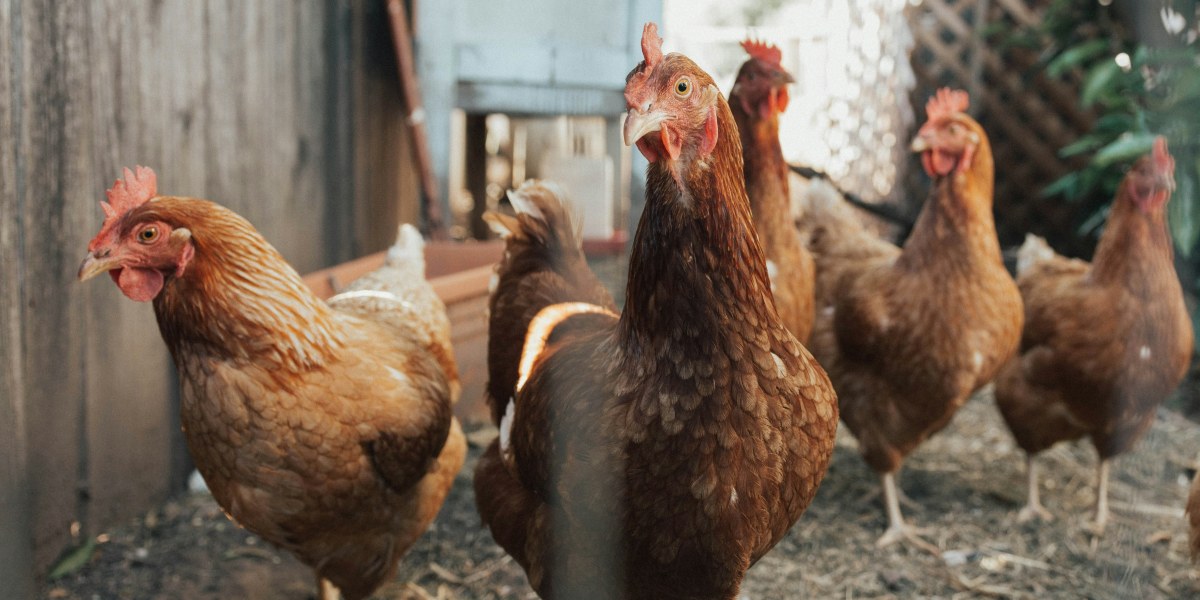


Chickens in the backyard are a source of fun and fresh eggs, but they also attract unwanted attention. Hens are easy prey for raccoons, foxes, snakes, and even neighbourhood dogs. What is necessary to protect them is more than mere fencing. A predator kit strengthens weak spots and ensures the safety of your flock.
A sturdy Chicken Coop is the starting point, and the selection of a suitable kit relies on how you have it set up. Different factors, such as the size of the flock, the arrangement of the coop, and the dangers surrounding the area, can make a considerable difference. With the correct kit, you can be assured that your chickens are secure, both day and night.
Understand the basics of Predator Kits
Predator kits are designed to strengthen your coop and run. Typically, they feature hardware cloth, apron fencing, and tamper-proof locks. There are also developed kits that feature motion lights or automatic doors to provide additional protection at night. These tools are aimed at the weakest points that are usually found, like gaps, corners, and weak latches.
The main idea is simple: your coop is strong, but predators are persistent. Kits seal off the places that they are used to exploit. It will be almost impossible to breach even an ingenious raccoon or a strong-willed fox with a proper setup. With these upgrades, you turn your coop from a basic shelter into a fortress your flock can rely on.
Match the Kit to Your Coop Size
The size of your flock and coop depends on the size of the property. Only a few more powerful locks or a mesh panel can be required in a small coop with a few hens. The multiple-entry, large run will require increased coverage and reinforcement.
Typically, smaller flocks are easier to safeguard, as they require fewer materials. However, don’t underestimate risks just because your setup looks compact. A small gap can be sufficient for a predator to squeeze through. For larger coops, consider those with fencing and overhead netting kits, as they offer more access.
If you are going to purchase, visit your coop first. Count the doors, fencing stretches and open places. The larger your set-up, the more your kit must contain. A small and an oversized predator kit are both a waste of money and time.
Choose the Right Type of Kit
Predator kits aren’t all the same. They’re designed for different problems, and choosing the right type makes protection more effective.
- Latch and Lock Kits guard against raccoons that pry open doors.
- Mesh and Fencing Kits block digging and reaching claws.
- Automatic Door Kits ensure hens are locked in at dusk.
- Overhead Netting Kits protect from hawks and owls.
For most backyard keepers, a combination of two or more types works ideally. That way, your flock is covered against both land and aerial threats. Adding multiple layers creates a backup system; if one barrier fails, another stands in place.
Match the Kit to Local Predator Risks
Every chicken keeper deals with different predator challenges. Your location determines what type of kit is most useful. If you see raccoons around, focus on locks. If foxes are common, you’ll want fencing that digs deep. Rural yards may need wide coverage, while suburban areas benefit from extra latches and motion lights.
Some predators are harder to notice until they have caused damage. Snakes, for example, may quietly enter to steal eggs, while hawks can strike in seconds. By tailoring your predator kit to the specific animals in your area, you can solve problems before they occur. Observing tracks, holes, or unusual chicken behavior can help you identify what you’re dealing with.
Other Factors That Guide the Right Choice
Your coop and predator risks aren’t the only things to think about. Climate and budget also matter, and both can affect how well your kit performs over time.
Local Climate Conditions
Rain and humidity can cause rust in weak metals, while dry, dusty regions can wear down mesh. Windy spots may pull at netting and loosen posts. Choosing weather-resistant materials helps your kit last longer and stay reliable. A kit tailored to your climate is an investment that saves time, money, and stress in the long run.
Budget and Convenience
DIY kits are affordable and flexible but require more effort. Pre-made kits cost more but save time and energy. Some keepers enjoy customizing their setup, while others prefer ready-made systems they can install quickly. The right choice balances safety with the level of work you’re comfortable handling.
Aim for Safety and Peace of Mind
The appropriate predator kit is more concerned with peace of mind than with safety. When the hens feel safe, they grow confident, healthy, and produce better eggs. To keepers, the assurance that the flock is safe will result in less worry at night and more enjoyment during the morning times.
You can make a wiser decision by considering factors such as chicken coop size, the type of kit, the dangers posed by predators, climate, and budget. All flocks are unique, but the aim is always to make the environment livable for chickens. With the right kit, your backyard becomes a haven, and your role as a keeper feels rewarding rather than stressful.