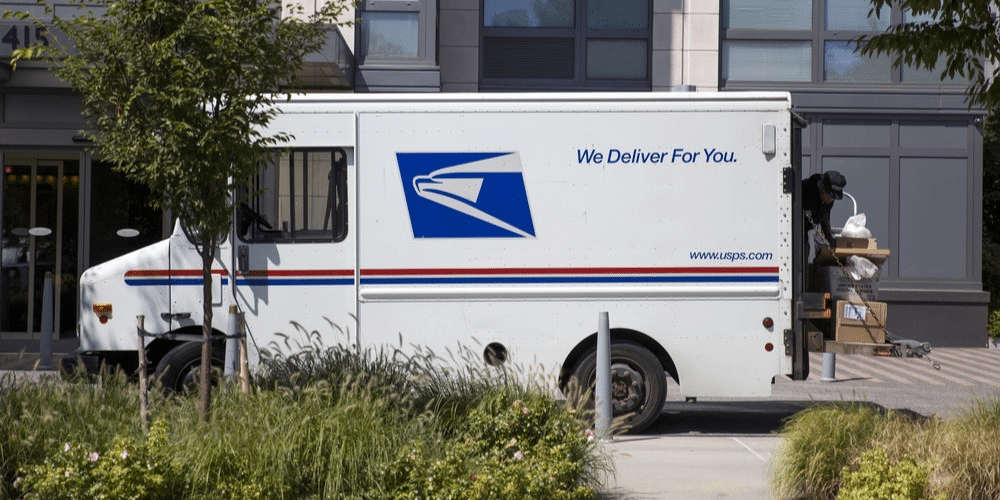

As the curtains closed on the most recent fiscal year, the US Postal Service (USPS) found itself in the midst of a financial tempest, reporting a staggering loss of $6.5 billion. The stark reality contradicted earlier projections of breaking even, casting shadows on the service’s aspirations for annual profits.
Financial Disappointment and Operational Challenges:
This formidable institution, a linchpin in the nation’s communication network, grappled with unforeseen challenges, attributing the fiscal downturn to operational costs spiraling due to inflation. Postmaster General Louis DeJoy candidly acknowledged the profound impact of escalating costs on their day-to-day operations. Additionally, he underscored the repercussions of surging printing prices, resulting in a substantial contraction of marketing mail volumes.
Revenue Shift and Operational Response:
In the initial phases of the fiscal year, the US Postal Service witnessed a promising revenue surge as package volumes redirected away from UPS amid looming strike threats. However, the windfall did not translate into the anticipated financial upturn. Despite this setback, DeJoy remained resolute in highlighting the considerable progress made in the service’s ongoing organizational transformation, with a primary focus on enhancing consistency, reliability, and timeliness in deliveries.
Progress Amidst Challenges:
DeJoy offered a beacon of optimism, assuring stakeholders that the US Postal Service is navigating the early stages of one of the nation’s most comprehensive organizational overhauls. He emphasized the significant strides made in achieving more reliable deliveries while actively addressing immediate financial headwinds tied to inflation. The service is steadfast in its commitment to implementing robust strategies for long-term cost control and revenue generation.
Business Recovery and Future Projections:
While the US Postal Service refrained from divulging specific details regarding its business pickup during July and August, a bullish outlook prevails. The collaborative efforts with the Teamsters averted a potential strike, paving the way for the US Postal Service to recapture most of the diverted business by year-end. UPS reported a tangible reduction in package volume, while FedEx noted a discernible uptick in business, leaving the US Postal Service to discreetly quantify the extent of this in its comprehensive report.
US Postal Service Revenue Landscape:
A comprehensive analysis of the US Postal Service revenue landscape reveals a nuanced picture. Revenue from shipping and packages, standing as the largest revenue segment, experienced a modest 1% increase, reaching $31.6 billion, despite a 2% contraction in volume. First-Class mail proved resilient, generating a 2% revenue uptick, amounting to $24.5 billion, in the face of a 6% volume decrease. However, the most notable blow was dealt to marketing mail, witnessing a substantial $920 million, or 8%, decrease in revenue.
Financial Context and Future Outlook:
Delving into the financial context, the US Postal Service’s reported net income of $56 billion in the previous fiscal year was predominantly influenced by a non-cash gain of nearly $57 billion resulting from legislative changes. Excluding this one-time gain and categorizing other factors as “non-controllable” costs and gains, the spotlight shifts to the “controllable loss.” It soared to $2.3 billion in the just-completed fiscal year, signifying a formidable increase from the previous fiscal year’s controllable loss of $473 million.
Takeaway:
In the face of these formidable financial challenges, the US Postal Service remains unwavering in its commitment to transformational goals. The journey ahead envisions enhanced operational efficiency, fortified financial stability, and sustained relevance in the dynamic landscape of postal services.