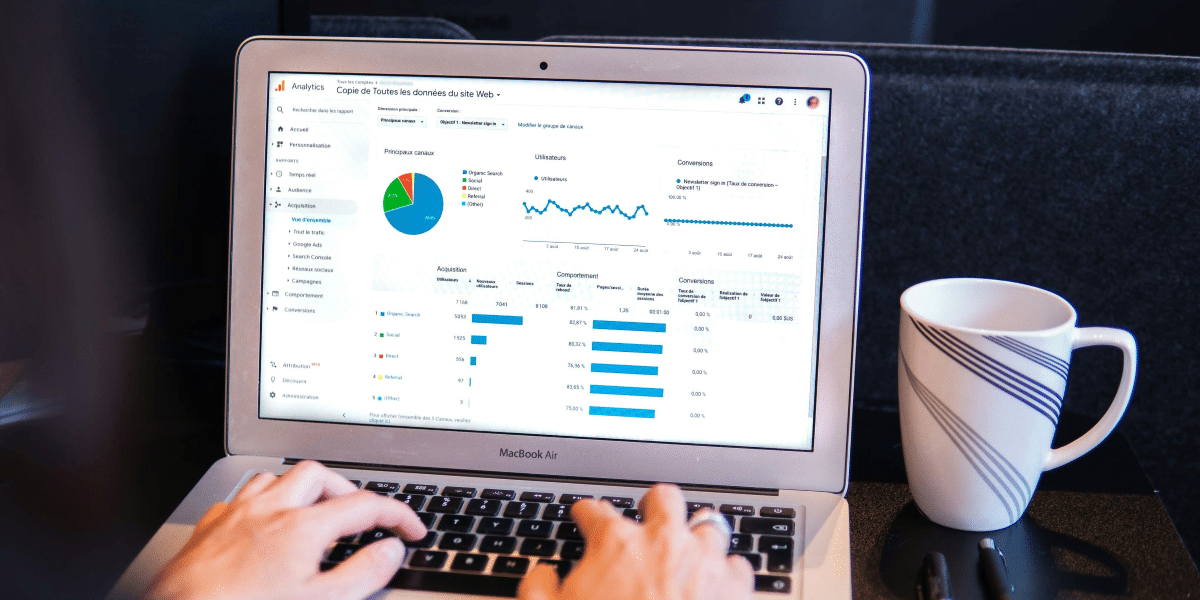


The dynamism of today’s marketplaces demands that sales strategies be underpinned by robust data analysis. Sales teams empowered with data not only understand their customer base better but are also equipped to make informed decisions that drive results. Applying data analytics in sales can lead to more personalized customer experiences, smarter targeting of leads, and an overall increase in efficiency and profitability. Unlocking the subtle patterns hidden within sales data requires an understanding of both the tools for data analysis and the various strategies to apply insights effectively. Keep reading to explore how data analysis is integral to the sales optimization process and its role in driving sales success.
Unlocking the Power of Data Analysis for Sales Success
Alt text: A woman in an office researching the sales optimization process during a meeting
In today’s hyper-competitive business environment, leveraging data analysis can distinguish between average and outstanding sales performance. Sales data provides an empirical foundation for decision-making, helping to identify the most valuable leads, optimize pricing strategies, and fine-tune marketing campaigns. By understanding customer behaviors and preferences, companies can tailor their approach to meet the market’s current demands.
Effective data analysis also allows businesses to forecast sales trends, giving them a strategic advantage in planning their inventory and resources. With accurate predictions based on historical data, businesses can minimize stockouts and overproduction, thus reducing costs and maximizing profits. Moreover, embracing analytical tools can simplify complex data sets, offering clear and actionable insights for sales teams.
Data is ubiquitous, and its intelligent application in sales helps firms stay ahead of the curve. Sales professionals with data analysis skills can dissect performance metrics to understand the factors contributing to success or failure. This analytical approach fosters a data-driven culture within the organization, encouraging continuous learning and adaptation.
Navigating the Sales Funnel With Data-Driven Insights
The sales funnel is critical in understanding customer journeys, and data analysis brings precision to its management. Through detailed tracking of potential customer interactions, businesses can identify where prospects drop off and why. This insight enables the optimization of each funnel stage to increase the conversion rate and boost overall sales volume.
By dissecting data from various funnel stages, companies can also effectively allocate resources. High-performing channels can be bolstered while underperforming avenues can be reevaluated or abandoned, ensuring that marketing efforts are as efficient as possible. The goal is to fully understand and thus streamline the path from prospect to paying customer.
Advanced analytics help in shaping not only the present strategies but also future engagement. Predictive models can forecast customer behaviors, guiding sales teams on when to reach out and what message to deliver. This proactive approach stands in contrast to reactionary tactics that only respond to customer actions without anticipation.
Streamlining Sales Processes With Real-Time Data Feedback

Photo: Unsplash.com
Real-time data feedback is transforming how sales processes are monitored and managed. The immediacy of such data allows for swift adjustments in strategies, ensuring that teams are always operating with the most current information. This nimbleness can result in staying ahead in a constantly evolving sales landscape.
The integration of customer relationship management (CRM) systems with analytical tools enables a seamless flow of data throughout the sales process. Sales representatives gain visibility into customer interactions, preferences, and history, allowing them to tailor conversations and proposals on the fly. This customer-centric approach is proven to improve sales outcomes significantly.
Moreover, real-time feedback enables the tracking of key performance indicators (KPIs) that drive sales efficiency. By monitoring these metrics, sales leaders can identify best practices and areas in need of improvement. This ongoing analysis fosters a culture of continuous optimization within the sales department.
Altogether, data analysis is not just an operational tool but a strategic asset in sales optimization. It arms sales teams with the precise knowledge they need to tailor their approach to the modern, informed customer and continuously refine their processes. Overall, the judicious application of data analysis in sales marks the difference between reactive selling and predictive strategic growth.
Published By: Aize Perez