

By: Arun Agarwal, Chair, Texas Economic Development Corporation
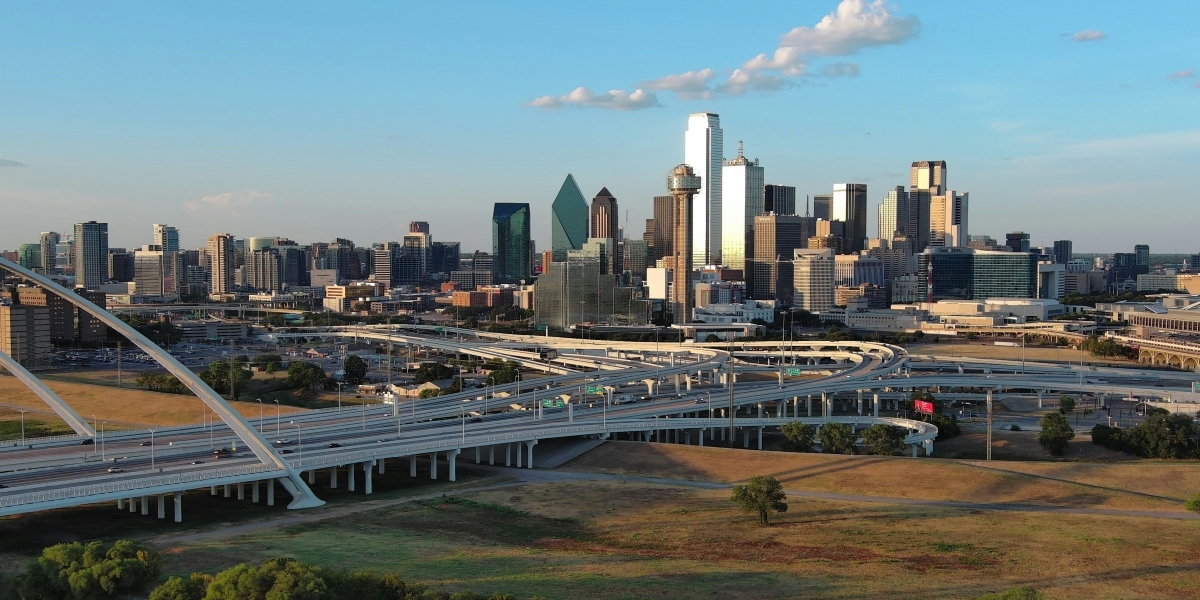
In the last few years, there has been something rather remarkable afoot in Dallas. The financial services industry, once exclusively the realm of New York City, has begun planting roots deep in the heart of Texas. And, make no mistake about it, this is not a trickle, but a rather substantial increase. Of course, the best part of this renaissance is the potential for transformational opportunities that could be provided to all Texans, from young professionals and families to small-business owners and retirees.
According to an article published by the Wall Street Journal in August 2024, Dallas is undergoing “…an expansion that has brought to North Texas a presence in financial services that now sits second only to New York City.”
And major institutions are not just dipping a toe in the floodwaters; they are diving in headfirst. Goldman Sachs is building an 800,000-square-foot campus in Dallas, expected to employ more than 5,000 people when it opens in 2028. JPMorgan Chase now employs over 12,500 workers at its Plano campus, and the facility has more than doubled in size since opening in 2017. And Bank of America is relocating employees to a new tower in Uptown Dallas.
Drawn by low taxes, lower costs, and a business-friendly regulatory climate, this migratory pattern is seen likely to continue, leading many to start referring to North Texas as “Y’All Street,” a nod, of course, to the financial citadel located in Lower Manhattan.
And before one reasons this a rather fortunate situation born of lucky circumstances, we must consider that the force driving this shift isn’t an accident, but a deliberate and strategically designed approach. Dallas (and Texas in general) offers an incredibly compelling package. For instance, it’s no secret that many firms are relocating from high-tax, heavily regulated states in search of lower operating costs and faster growth, and Dallas offers one of the more financially competitive and business-friendly climates in the country.
In addition, the Dallas-Fort Worth region spans thousands of square miles, offering space for newer and larger campuses that ultimately mean more demand for housing, retail, restaurants, and entertainment, all critical aspects of a vibrant city. As financial institutions settle into Dallas and their employees spend money locally, broader job creation could naturally follow in markets such as construction, transportation, hospitality, and much, much more.
Yet with this acceleration comes a real challenge: maintaining a level of affordability. If the region is to thrive equitably, growth must be paired with innovative housing solutions that not only expand supply but also create opportunities by enhancing quality of life. Sustainable design, smart infrastructure, and thoughtfully integrated neighborhoods can help ensure that homes remain attainable for those who are helping usher in this new era.
There is also the very relevant fact that Texas now has the largest financial-services workforce in the United States. According to a Fox Business report in September, “…Texas had 519,000 financial sector employees in 2024, above the 507,000 financial services workers in New York.” With all the focus and media attention aimed at its northern counterpart, the fact of the matter is that Texas is now the leading financial hub in the country, charting a course that extends well above and beyond Wall Street.
For residents, both long-time Texans and relocated newcomers, this resurgence offers substantial benefits. For instance, the influx of financial firms expands demand for talent, and not only in banking and asset management, but also in technology, compliance, and customer service roles. The 2025 decision by Scotiabank to open a $60 million Technology & Innovation Hub in Dallas alone is expected to create more than one thousand new jobs.
Even jobs that may pay less than in the hustle and bustle that is New York City can still offer above-average (or at least competitive) wages in Texas, offering an opportunity for career entry or upward mobility for many.
Of course, as finance takes root in our community, right alongside tech, energy, and manufacturing, Dallas becomes more resilient to downturns in any single sector. That diversification could protect jobs and stabilize growth, making Dallas not just a place to work, but a place to build a life.
Imagine, for a moment, a Dallas where recent (and local) college grads launch their careers at major financial firms, while their parents, longtime hard-working Texans, see the benefit of increased home values, better schools, and thriving local businesses. Picture small business owners able to access capital and advisory services once reserved for big corporations, with better access to investment, financial advice, and talent.
Visualize, just for a minute, entire neighborhoods revitalized by the steady hum of construction, commerce, and community investment. Now imagine that those neighborhoods might remain accessible to young families, essential workers, and seniors, because the city has championed housing strategies that balance affordability with innovation and growth.
If Dallas continues on this trajectory, the city has the potential to rival the traditional financial capitals of the country, and not by imitating them, but rather by offering something new – a blend of opportunity, affordability, growth, and quality of life. A vision, if you will, of what is distinctly possible here in North Texas.
Of course, for that vision to be realized broadly, our local leaders (both public and private) must make informed choices. Investment must include infrastructure improvements, affordable housing, and policies that support growth without leading to displacement. Public transit, roads, green space, and community services must absolutely keep pace with corporate growth.
Dallas and Texas are no longer just scenes on the periphery of American finance; we are moving to the center stage, and for once, it feels like the people who live here may just be the ones who benefit the most. It is absolutely a moment worth exploring, and not just for corporations, but for every Texan ready to build a more prosperous future.