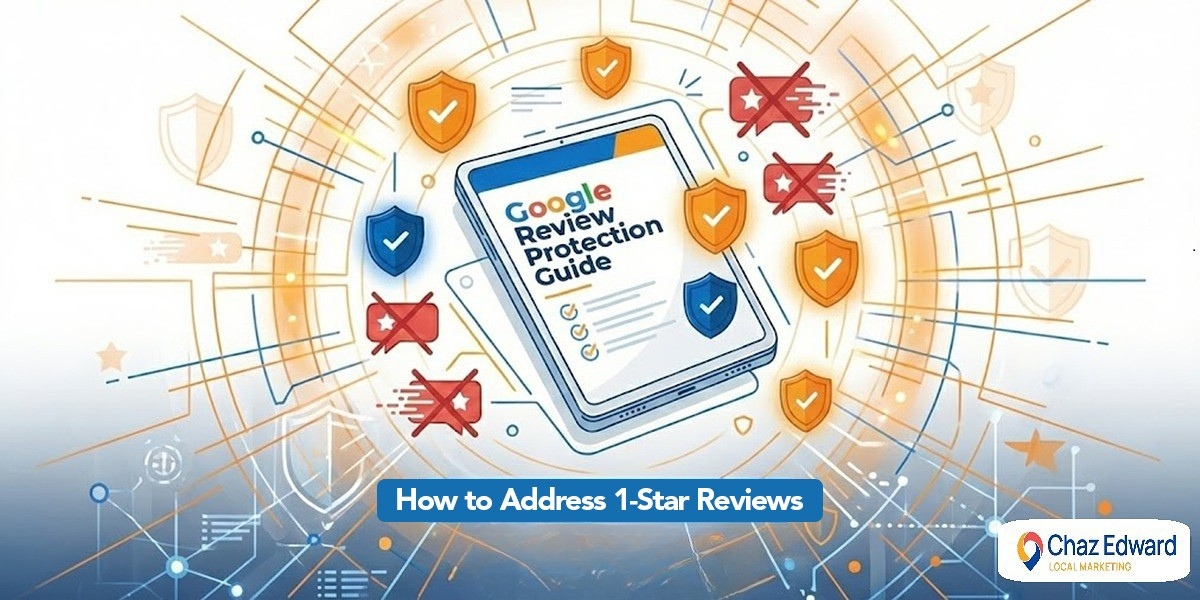


New York, NY – When a Manhattan massage therapy practice opened its doors one morning, the owner was met with a disturbing scenario: seven one-star Google reviews posted overnight. None of the reviewers was a real customer. Each review was believed to be fraudulent, part of a coordinated effort to extort the business.
By the end of the day, every fake review had been removed.
What happened in between offers a revealing look into a growing problem facing New York businesses, and how those who recognize the signs early and know where to turn can potentially stop the damage before it becomes permanent.
A New Kind of Digital Shakedown

Photo Courtesy: Chaz Edward Local Marketing
The attack began subtly. A single one-star review appeared from a name the business owner didn’t recognize. After checking appointment records, it became clear the reviewer had never visited the practice. Less than 24 hours later, six more one-star reviews appeared in rapid succession.
The final review included a message instructing the business to “contact” the reviewer through their Google profile.
It was likely not a coincidence.
This tactic, known as review extortion, is becoming increasingly reported across New York’s small-business ecosystem, from healthcare practices and restaurants to home service providers and professional offices.
How Review Extortion Has Evolved

Photo Courtesy: Chaz Edward Local Marketing
Gone are the days of obvious “pay us or else” emails. Today’s review extortionists operate with far greater sophistication.
They post reviews that appear authentically negative at first glance. They stagger submissions to resemble organic dissatisfaction. They use vague language that avoids triggering automated moderation until the final review reveals their intent.
“These aren’t unhappy customers, they’re organized scammers,” explains Chaz Edward, a local search and Google Maps specialist whose agency has managed and analyzed thousands of Google Business Profiles across competitive markets.
“When you observe review behavior at scale, the patterns can be unmistakable,” Edward says. “These actors understand how Google’s trust systems work. They exploit that knowledge just long enough to create panic, and panic is what they seem to monetize.”
The financial impact could be significant. Numerous studies have shown that even a half-star drop in a Google rating can significantly reduce customer trust, visibility, and revenue, a reality extortionists seem to understand all too well. This decline often leads to lost business opportunities and diminished online presence, making it harder for businesses to recover.
Recognizing the Anatomy of an Attack
Early detection is critical. According to reputation specialists, common warning signs can include:
- Multiple negative reviews were posted within hours or days
- Reviewer profiles with little or no history
- Generic complaints lacking specific, verifiable details
- Reviews from individuals who cannot be confirmed as customers
- A final review prompting the business to initiate contact
That final point is often the giveaway. Legitimate customers typically expect businesses to reach them through normal support channels. Extortionists, by contrast, usually push owners to initiate private contact through Google profiles, where payment demands could follow. Being aware of these signs is the first step toward preventing significant reputation damage.
How the Manhattan Attack Was Stopped
In the Manhattan case, the business did not attempt to negotiate or respond publicly. Instead, the owner contacted Chaz Edward’s agency, which immediately identified the activity as a coordinated extortion attempt.
The response was swift and methodical.
Edward’s team documented each review, captured timestamps and profile details, and cross-checked customer records to confirm none of the reviewers were legitimate clients. Using Google’s Merchant Extortion reporting process, the agency submitted a formal case outlining the coordinated nature of the attack using Google’s Merchant Extortion Form, while simultaneously flagging each review individually through the business’s Google Business Profile.
Within approximately 90 minutes, the first reviews began disappearing. By the close of business, all seven fraudulent reviews had been removed.
According to Edward, speed and knowing exactly which tools to use made the difference.
Preparing Businesses Before the Next Attack
While rapid intervention can neutralize an active extortion attempt, experts emphasize that prevention and preparedness are just as important. Many businesses are now looking to include review management as part of their ongoing digital marketing strategy. This includes staying updated on best practices, setting up monitoring tools, and training staff to recognize and report suspicious behavior quickly.
To help businesses better understand their options, Edward has made a free Review Extortion Action Sheet publicly available, along with a comprehensive guide outlining 128 ethical methods for addressing and removing fake or harmful reviews. The resource is designed to help business owners recognize extortion patterns early and respond without escalating the situation.
The materials outline practical steps businesses can take before, during, and after an attack, from monitoring review activity and maintaining accurate customer records to understanding Google’s policy-based enforcement mechanisms.
Educating employees on identifying fake reviews has proven to be one of the most effective prevention strategies.
A Growing Threat and a Defensible One
Review extortion is unlikely to disappear anytime soon. As long as online ratings directly influence consumer behavior, bad actors will continue to exploit unfamiliarity and fear.
What has changed is access to information and the ability for businesses to act decisively.
“The biggest advantage extortionists rely on is hesitation,” Edward notes. “When business owners understand what they’re dealing with and how the system actually works, they’re much less vulnerable.”
For New York businesses, the lesson is clear: reputation defense is no longer optional. Knowing how review systems can be manipulated and how to respond may be the difference between a brief disruption and lasting damage.
With proactive measures, businesses can protect themselves from the devastating effects of review extortion.
Media Contact
Chaz Edward
Founder & Local Search Strategist
Chaz Edward Local Marketing
Website: https://chazedward.com
Review Extortion Resource: https://review-guide.chazedward.com/
For media inquiries regarding Google Business Profiles, Google Maps visibility, online reviews, and local reputation management.