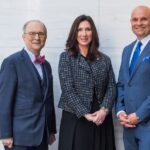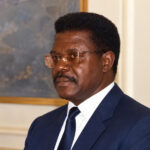

From a medical college in Kerala to an elected hospital board in Fremont, Dr. Jacob Eapen has built a career at the intersection of pediatric medicine, public health, and immigrant community service.
In the Tri-City region of Fremont, Newark, and Union City, the work of keeping a public hospital district running rarely makes headlines. It happens in board meetings, budget reviews, and physician-recruitment decisions, the slow, unglamorous machinery of community medicine. For more than three decades, much of that work has benefited from Dr. Jacob Eapen’s leadership and commitment to serving the Bay Area.
Eapen, a pediatrician and public-health physician based in Fremont, was first elected to the Board of Directors of the Washington Hospital Healthcare System in 2004 and has been returned to the seat by voters multiple times since. In a healthcare district where board members answer directly to the public, that record reflects an unusual durability of community trust.
But the board seat is only the most visible chapter of a career that began an ocean away.
From Kerala to California
Born in Thiruvananthapuram in the southern Indian state of Kerala, Eapen earned his medical degree from Government Medical College, Thiruvananthapuram, graduating in 1976. He completed postgraduate training in pediatrics at Christian Medical College in Ludhiana, one of India’s major teaching hospitals, before seeking further specialization abroad.
He went on to earn a Master of Public Health from the University of California, Berkeley, where his studies centered on epidemiology, preventive medicine, and community health, and completed a pediatric residency at Stanford University School of Medicine. The combination, clinical training paired with a population-level view of health, would define the rest of his career.
Medicine without Borders
Before settling permanently in California, Eapen practiced across several countries. He served as a consultant pediatrician at the Aga Khan Foundation Hospital in Dar es Salaam, Tanzania, and later joined the pediatrics faculty at the University of Sokoto in Nigeria, teaching medical students while continuing clinical work.
In 1988, he worked with the United Nations High Commissioner for Refugees in the Philippines, coordinating pediatric care, vaccination programs, and communicable-disease management for displaced populations. The experience, by his account, deepened a conviction that medicine is most powerful when it reaches the people least able to seek it out.
A Public Health Career in Alameda County
After settling in California, Eapen joined Alameda County’s health services as a pediatrician and public-health physician, working on immunization, maternal and child health, and preventive-care outreach. In 1999, he was appointed the county’s Public Health Commissioner, and he later served as a medical director within Alameda Health System, one of California’s largest publicly operated healthcare networks.
Across those roles, a consistent emphasis emerges: expanding access to care for underserved and multicultural populations while integrating preventive healthcare into everyday clinical practice.
Recognition
In 2007, Eapen received the Ellis Island Medal of Honor, awarded annually to Americans who have made notable contributions to the country while preserving the heritage of their ancestry. His other recognitions include a Mother Teresa Award from the Friends of the South Asian American Communities and distinguished alumni honors from his medical alma mater. Stanford School of Medicine has also profiled him as a “Model and Mentor.”
He lives in Fremont with his wife, Shirley Jacob. Their two children, Dr. Naveen Jacob and Dr. Sandhya Jacob, both followed him into medicine.
Reflecting on a career spanning more than four decades across multiple continents and over three decades of service to the Bay Area, Eapen’s philosophy remains rooted in compassion and service. As he puts it:
“Your strength in compassion and empathy makes you an ambassador of serving.”
Those who have worked alongside him often describe his leadership with one word: steady. In public health, it may be the highest compliment there is.