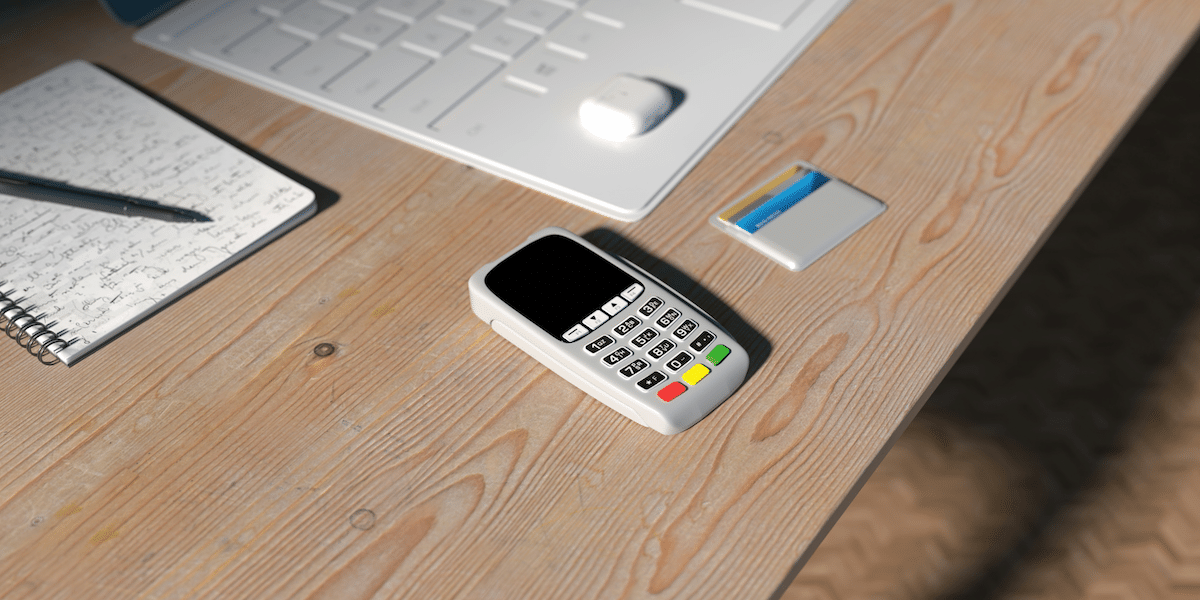


Image commercially licensed from Unsplash
We are increasingly moving towards a cashless society. Physical banknotes and coins are being used less and less when it comes to financial transactions, and cards and electronic payment are increasing. According to a merchant cash agreement attorney, we need to be careful as while there are many things in favour of moving to a cashless society; there are also many risks.
The Good
- Fast transactions
- Good for the environment
- Translates well travelling abroad.
- Less crime
The Bad
- Harder to budget
- Cybercrime risk increase
- Can leave people behind
- Expensive for small businesses
Fast Transactions: Whether you are waving your phone at a Pay Point or doing something similar with your watch or card, paying without cash is much faster. You don’t have to worry about having the correct change; you can even leave your wallet at home if you can pay on your phone. Shops don’t have to worry so much about keeping change or banking it at the end of the day.
Good for the Environment: Producing cash is an ongoing process. Tatty and old or damaged notes have to be removed from society and replaced, and sometimes they change entirely, for example, going from paper to plastic notes. This does create some environmental issues as they can be emission of potentially harmful chemicals during the manufacturing process, as well as greenhouse gases and transporting cash around the world also adds to the emissions.
Travel and Crime: It must be said that travelling in a cashless society becomes a lot easier. You can use your payment card, and your bank deals with converting to another currency. You no longer must get your cash exchanged before you go to the airport, and you don’t run the risk of running out of local currency because you can use your card or device. It is harder for criminals to steal in a cashless society because people no longer carry wallets to pickpockets to steal, and even if they were to take a phone, most people have this password protected with further security required to use the banking.
Harder to Budget: That said, it’s much harder to budget when you don’t have physical cash in your hand. If you had $50 in cash and began spending it, you would soon know whether you were running out exactly how much you had left.
Cyber Crime: Criminals love a challenge, so the more we rely on cashless transactions, the more criminals will try and figure out ways to beat the system and steal. It means changing our mindset, and rather than physically keeping our cash safe, we have to think about hacking, phishing, and other forms of malicious software.
Leaving People Behind: not everyone is tech-savvy, and not everyone enjoys using technology, so by switching to a cashless society, we risk excluding people who have no access or need help understanding how to use things.
Expensive for Small Businesses: Being cashless is easy for the customer, but it comes with a whole stack of charges for the business. While large companies may easily be able to absorb these charges, it can be pretty crippling for the small business and sole trader.