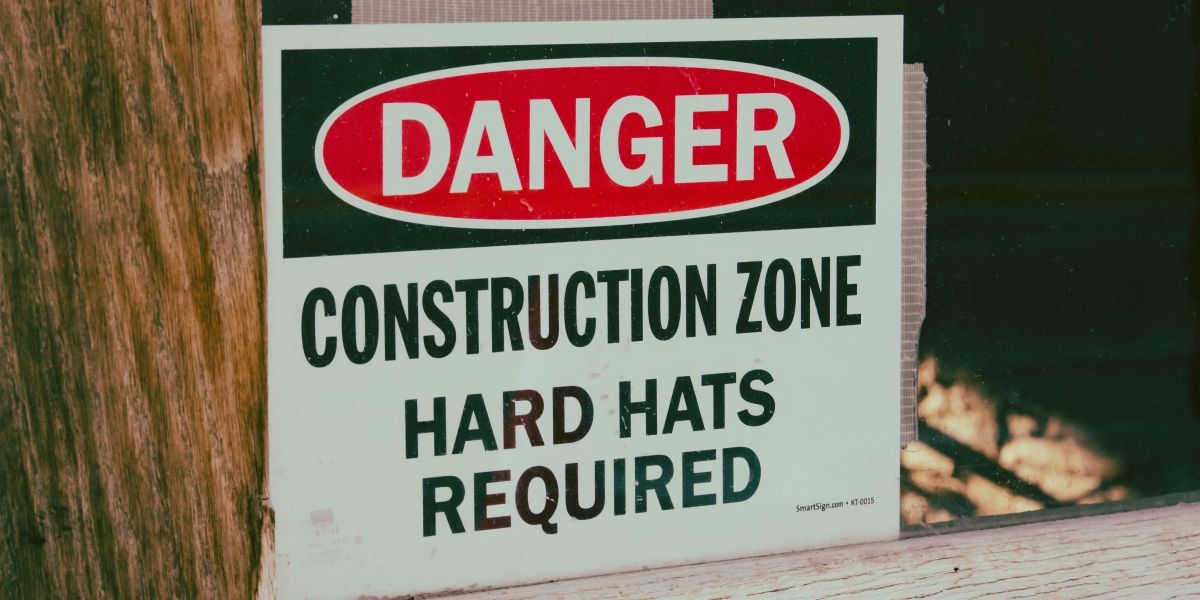


Safety rules on construction sites are not created to slow work down or complicate jobs. They exist because construction work carries real danger every single day.
Every helmet, harness, warning sign, and checklist comes from lessons learned the hard way. Injuries occur when these rules are treated as optional rather than necessary. That pattern repeats across job sites again and again.
This discussion examines how violations of safety rules lead to construction injuries and why responsibility always follows those violations.
Why Construction Sites Carry Higher Safety Expectations?
Construction sites are filled with risks that cannot be ignored. Heavy machinery moves constantly. Workers operate at heights. Electrical systems run beside unfinished structures. Materials shift, tools fall, and surfaces change by the hour. Because the danger is known, safety expectations are higher than in many other workplaces.
The law recognizes this reality. Safety rules exist to control risk, not eliminate it completely. When those rules are ignored, injuries become more likely, and responsibility becomes harder to avoid. This is often the point where injured workers begin looking for legal help after a construction injury, not because they planned to, but because safety failures leave few other options.
Common Safety Rules That Are Frequently Ignored
Many construction injuries result from the repeated disregard of the same safety rules. These are not complex or unknown rules. They are basic protections that exist to prevent serious harm.
Fall protection is often missing or used incorrectly. Workers may be asked to move quickly without harnesses or guardrails in place. Equipment operation rules are also overlooked when deadlines take priority over training. Protective gear is sometimes regarded as inconvenient rather than necessary. Hazard warnings may be unclear or missing altogether.
These rules are ignored not because they are misunderstood, but because someone decided speed mattered more than safety.
How Ignored Safety Rules Lead to Serious Injuries?
Falls, Equipment Failures, and Structural Hazards
Falls remain one of the leading causes of construction injuries. Without proper railings, stable platforms, or fall protection systems, a simple misstep can cause life-changing harm. Equipment failures also play a major role. Machines that are poorly maintained or operated by untrained workers can fail without warning.
Structural hazards add another layer of risk. Unsecured materials, weak supports, and unfinished surfaces create conditions where injuries are almost expected rather than accidental.
Exposure to Electrical and Chemical Risks
Electrical risks are common on construction sites, especially when wiring is incomplete or poorly marked. Contact with live electricity can cause severe burns or worse.
Chemical exposure also causes serious injuries when storage and handling rules are ignored. These dangers are well known, yet injuries continue because safety procedures are skipped or rushed.
Who Is Responsible for Enforcing Safety on Construction Sites?
Safety enforcement does not fall on a single person. General contractors are responsible for overall site safety. Supervisors are expected to monitor daily operations.
Subcontractors must comply with safety regulations while performing their tasks. Crew leaders play a direct role in how work is carried out on the ground.
When safety rules are ignored, responsibility often spreads across multiple parties. This shared responsibility does not reduce accountability. Instead, it highlights that safety failures typically arise from system breakdowns, not isolated mistakes.
Safety Oversight and Legal Accountability
After a construction injury, safety oversight becomes a central issue. Investigators look at whether safety rules were in place and whether they were followed. Inspection records, compliance reports, and internal safety policies are all subject to review.
Ignoring safety rules often constitutes negligence. If hazards were known and left unaddressed, legal accountability becomes difficult to deny.
Safety oversight is not just about paperwork. It reflects whether the protection of workers was taken seriously before an injury occurred.
Evidence That Connects Injuries to Safety Failures
Evidence plays a powerful role in showing how ignored safety rules lead to injuries. Clear documentation helps connect actions to outcomes. Important evidence often includes:
- Accident reports were created on-site.
- Training records for workers and operators.
- Maintenance logs for equipment and machinery.
- Photos of the work area and hazard conditions.
- Statements from witnesses who saw the incident.
This information helps establish patterns of neglect rather than one-time errors. Strong evidence establishes clear responsibility for safety failures.
How Safety Violations Affect Injury Claims?
Safety violations can change the direction of an injury claim entirely. When rules are ignored, claims often become stronger because responsibility is easier to prove. Insurance companies closely monitor safety records because violations increase their exposure.
Ignoring safety rules also affects compensation. Medical costs, lost income, and long-term care needs are viewed differently when injuries result from preventable failures.
This is another point at which individuals seek legal counsel after a construction injury, as safety violations often create avenues for broader accountability.
Why Construction Injury Cases Require Careful Legal Review?
Construction injury cases are rarely simple. Multiple companies may be involved. Safety duties overlap. Responsibility is shared across layers of management and labor.
Careful legal review helps untangle these relationships and identify where safety broke down. This process is not about placing blame unfairly.
It concerns aligning responsibility with decisions that ignored safety rules. Without this review, injuries risk being treated as unavoidable, even when they clearly were not.
Final Thoughts
Construction injuries are not random events. They are often the result of safety rules being pushed aside. Every ignored precaution carries a cost, and that cost is paid by workers who suffer preventable harm.
Safety rules exist because the risks are real, and ignoring them leaves consequences that extend far beyond the job site.
Disclaimer: The information provided in this article is for general informational purposes only and should not be considered legal advice. Construction injury cases can be complex, and the specific circumstances of each case may vary. If you have been injured due to safety violations or negligence on a construction site, it is important to consult with a qualified attorney who can assess your case and help you understand your legal rights and options for seeking compensation.