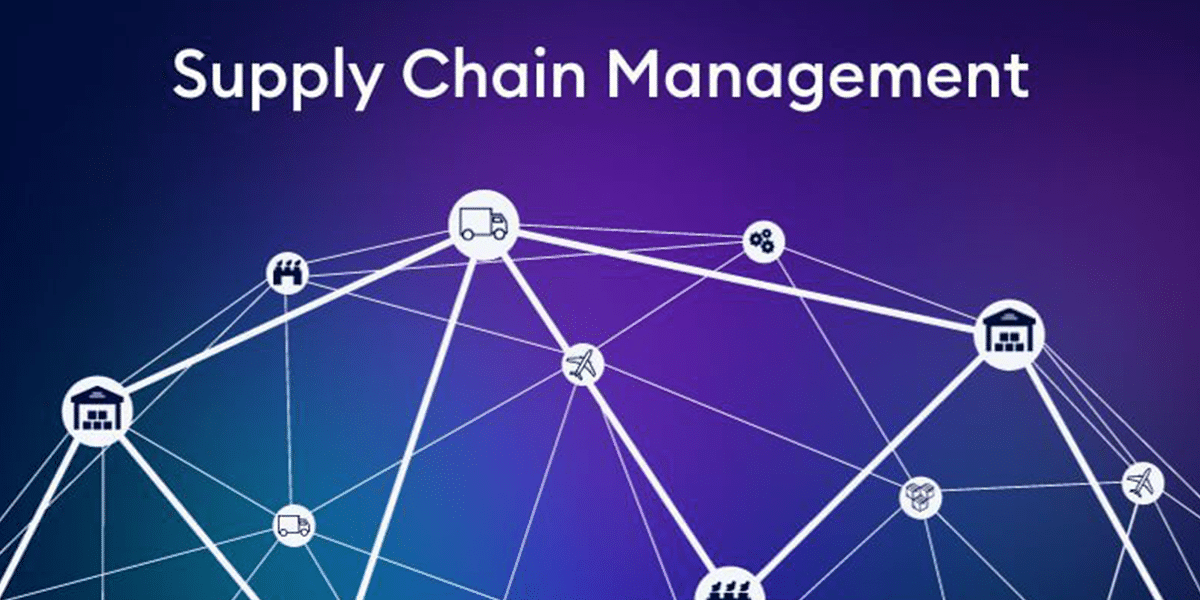


In recent years, supply chain management has been undergoing a significant transformation. As businesses continue to adapt to changing customer demands, technological advancements, and global market dynamics, the future of supply chain management holds a promising yet challenging path. This article will explore the evolving landscape of supply chain management, highlighting the role of Legal Entity Identifiers (LEIs) in the LEI Register in enhancing transparency and traceability within supply chains.
The Changing Face of Supply Chain Management
Supply chain management has come a long way from its traditional roots of simply moving goods from one point to another. Today, it encompasses a complex web of processes, technologies, and strategies aimed at optimizing efficiency, reducing costs, and meeting customer expectations. Several key factors are reshaping the future of supply chain management:
Digitalization and Automation: The advent of digital technologies such as the Internet of Things (IoT), Artificial Intelligence (AI), and blockchain has revolutionized supply chain operations. These technologies enable real-time tracking, predictive analytics, and automation of routine tasks, streamlining processes and reducing errors.
Globalization: Businesses are increasingly operating on a global scale, making supply chains longer and more complex. This necessitates robust strategies for risk management, contingency planning, and compliance with diverse regulations in different regions.
Sustainability: Environmental concerns are pushing companies to adopt sustainable practices. Supply chain sustainability involves reducing carbon footprints, optimizing transportation routes, and sourcing ethically and responsibly.
Customer-Centricity: Customers expect faster delivery, personalized products, and transparency. Meeting these demands requires supply chains to be agile, responsive, and capable of quick adjustments.
Resilience: Recent disruptions like the COVID-19 pandemic have exposed vulnerabilities in supply chains. The future will see a focus on building resilient supply chains capable of withstanding unforeseen disruptions.
The Role of Legal Entity Identifiers (LEIs)
Amidst these changes, the adoption of Legal Entity Identifiers (LEIs) is emerging as a crucial tool for enhancing transparency and traceability in supply chains. LEIs are unique alphanumeric codes assigned to legal entities participating in financial transactions. Here’s how they can revolutionize supply chain management:
Uniqueness and Standardisation: LEIs provide a globally recognized and standardized identifier for companies and organizations. This uniqueness ensures that entities are easily distinguishable, reducing the chances of confusion or errors in supply chain documentation.
Enhanced Transparency: LEIs offer a comprehensive view of an entity’s ownership structure, affiliations, and key financial data. This transparency helps supply chain managers make informed decisions when selecting partners and suppliers, reducing the risk of engaging with unreliable or non-compliant entities.
Risk Mitigation: By utilizing LEIs, supply chain managers can conduct more effective due diligence on their partners and suppliers. They can assess the financial stability and compliance history of these entities, thus minimizing financial and reputational risks.
Improved Compliance: LEIs facilitate compliance with various regulatory requirements, such as Anti-Money Laundering (AML) and Know Your Customer (KYC) regulations. This ensures that supply chain partners adhere to legal and ethical standards, reducing the likelihood of legal complications.
Efficient Data Exchange: Integrating LEIs into supply chain software and platforms enables seamless data exchange. This simplifies processes like invoicing, procurement, and customs documentation, reducing manual errors and processing time.
The Future is Bright
Looking ahead, the future of supply chain management is filled with exciting possibilities. The integration of digital technologies, sustainability practices, and the use of LEIs in the LEI Register will drive positive change. Companies that adapt to these evolving trends will be better equipped to meet customer demands, mitigate risks, and contribute to a more efficient and transparent global supply chain ecosystem.
The Bottom Line
In conclusion, supply chain management is evolving at a rapid pace, driven by technological advancements, globalization, and changing consumer expectations. To thrive in this evolving landscape, businesses must embrace digitalization, sustainability, and transparency. The adoption of Legal Entity Identifiers (LEIs) plays a pivotal role in enhancing transparency and traceability within supply chains, ultimately leading to more efficient and reliable operations. By staying attuned to these trends and leveraging innovative solutions, companies can secure a competitive edge in the ever-changing domain of supply chain management.