
Thanksgiving weekend 2025 is shaping up to be one of the busiest travel periods in recent memory, and the surge on the roads is impossible to miss. With tens of millions of Americans expected to travel — most of them by car — traffic is clogging up highways, downtown streets, and suburban corridors.
This wave of drivers doesn’t just include families visiting relatives. It merges with holiday shopping traffic, turning routes near malls and outlets into slow-moving lines of brake lights. For people simply trying to get around town, it means delayed commutes, longer errands, and rising frustration just as the holiday season begins.
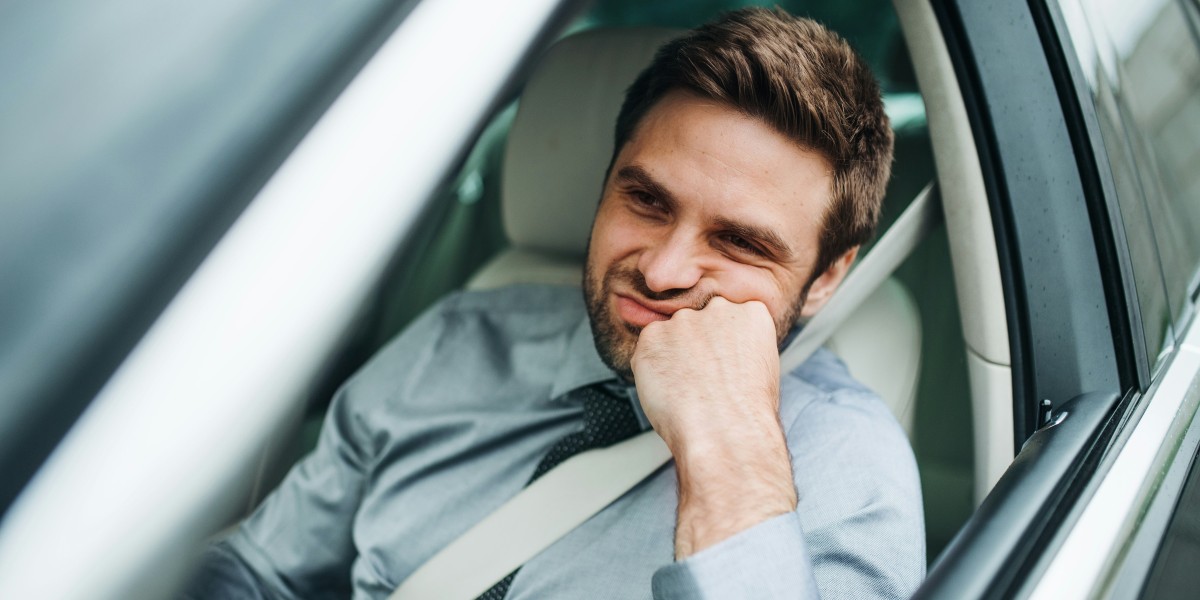
Instead of enjoying the break, many find themselves inching forward in gridlock. The tension on the roads bleeds into gatherings and adds stress to a weekend meant for rest and celebration.
Parking Lots Overflow
The traffic headache doesn’t end when drivers reach their destination. Parking lots at major shopping centers are filling beyond capacity, overflowing into nearby neighborhoods. Cars line residential streets, and some residents say it disrupts daily life — from blocked driveways to unfamiliar vehicles parked outside their homes for hours.
Shoppers face their own struggle: circling lot after lot in search of an open space, sometimes waiting half an hour before finding one. By the time they step inside a store, the frustration has already set in.
Overflow parking also creates safety challenges. With more cars squeezing into tight areas, visibility drops and the chances of small collisions rise. Residents worry about emergency vehicles navigating crowded streets, especially during a holiday weekend when quick response times matter.
Safety Takes a Hit
Crowded roads and full parking lots inevitably lead to safety concerns. The days leading up to Thanksgiving consistently rank among the highest-risk travel days of the year. When millions of cars share the road at once, even small mistakes can cause major delays.
Parking facilities can be even more chaotic than the highways. Drivers hunt for spaces while pedestrians weave between vehicles, hands full of bags or children. It’s a recipe for fender-benders, near-misses, and confusion. Police typically see an uptick in calls during this weekend as they respond to both accidents and congestion-related issues.
Emergency services feel the strain as well. Between medical calls, traffic incidents, and holiday events, fire and EMS crews often juggle more calls than usual — all while navigating traffic jams themselves.
Communities Feel the Strain
The ripple effects extend beyond the malls. Small shops and independent restaurants sometimes lose customers because people avoid congested retail districts altogether. Even businesses hoping to benefit from holiday spending can find themselves overshadowed by the chaos surrounding larger shopping hubs.
Residents living near these areas often deal with more noise, clutter, and unfamiliar faces on their streets. What should be a cheerful weekend can feel disruptive when the neighborhood becomes an unofficial overflow lot.
The holiday travel spike is nothing new, but its impact grows as more shoppers hit the road. Understanding these broader effects helps explain why Thanksgiving weekend often feels overwhelming — not just for travelers, but for entire communities.