

Mold is a common problem in many homes. It can grow in damp and dark places and might not always be easy to see. But mold can affect your health and your home, so it’s important to know when you might need a mold inspection. In this article, we’ll explore some signs that you might need a mold inspection and why it’s important to address the issue early.
- You Smell a Musty Odor
One of the first signs that mold might be growing in your home is a musty smell. This smell is often described as damp, earthy, or similar to rotting wood. If you notice this odor in your home, especially in places where there shouldn’t be a smell, it could be a sign of mold. This smell can be quite strong and may linger, even if you clean the area.
- You See Discoloration on Walls or Ceilings
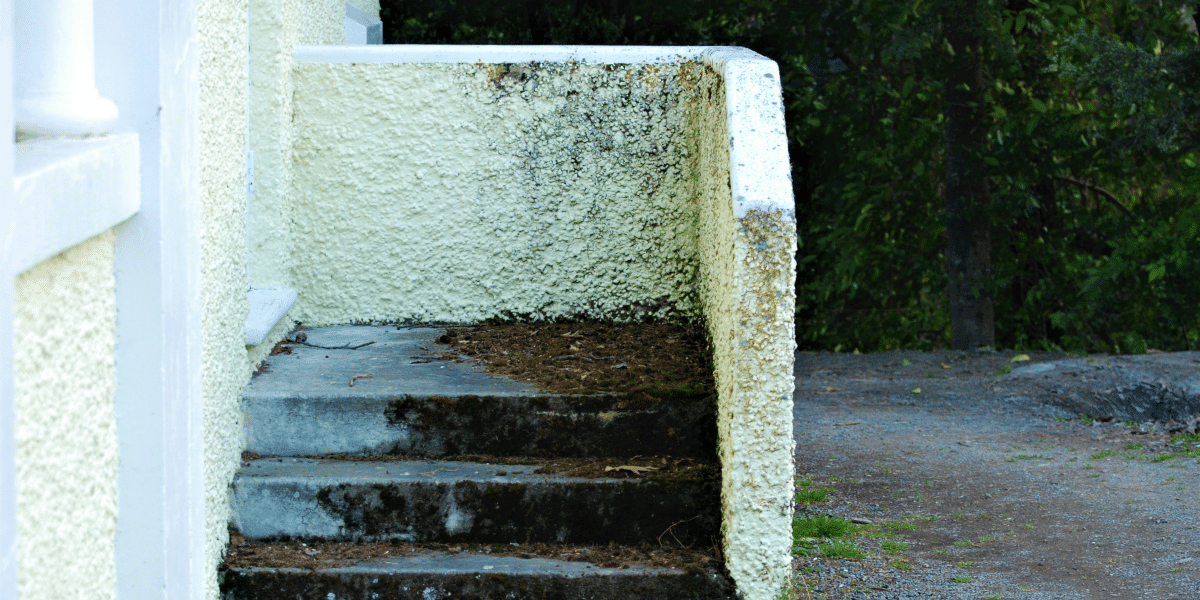
Mold often shows up as discoloration on walls, ceilings, or floors. You might see spots or patches that are green, black, brown, or even gray. These spots can start small but can grow larger over time. If you notice these patches, especially if they seem to spread, it’s a good idea to have a mold inspection.
- There’s a Water Leak or Flooding
If you’ve had a water leak or flooding in your home, mold might be growing where you can’t see it. Water leaks can come from pipes, roofs, or even appliances like washing machines. After a leak or flood, it’s important to check for mold, even if you don’t see it right away. Mold can start growing in hidden places like behind walls or under floors.
- You Have Health Issues That Don’t Improve
Mold can cause health problems, especially for people with allergies, asthma, or other respiratory issues. Common symptoms include coughing, sneezing, itchy eyes, and a runny nose. If you or your family members are having health issues that don’t get better, mold might be the cause. A mold inspection can help find out if mold is affecting your health.
- You Find Moisture or Dampness
Mold needs moisture to grow. If you notice any areas in your home that are unusually damp or wet, it’s worth checking for mold. Look for signs like water stains, peeling paint, or condensation on windows. These signs can indicate that there’s excess moisture, which could lead to mold growth.
- There’s Poor Ventilation in Your Home
Poor ventilation can lead to high humidity levels, which can encourage mold growth. If your home doesn’t have good airflow, or if you notice that some rooms feel stuffy or humid, this could be a problem. Ensuring proper ventilation in your home can help prevent mold, but if you already have poor ventilation, it’s a good idea to get a mold inspection.
- You Notice Visible Mold Growth
Sometimes, mold is easy to spot. It can appear as fuzzy patches or slimy spots on surfaces. If you see visible mold growth, it’s definitely time to get a mold inspection. Even if you see a small amount, it’s important to address it quickly, as mold can spread.
- You’ve Recently Done Home Repairs
If you’ve recently done home repairs, especially in areas where there was water damage, you should check for mold. Repairs might disturb mold that was previously hidden or allow moisture to get trapped. An inspection can help ensure that the repairs haven’t created new mold problems.
- You Live in a High-Humidity Area
If you live in an area with high humidity, mold is more likely to grow. Humid environments make it easier for mold to thrive. If you live in such an area and notice any of the signs mentioned above, you should consider getting a mold inspection to ensure that your home is free from mold.
- You Have Old, Stale Air in Your Home
Homes that are sealed tightly and don’t get much fresh air can have stale, old air. This can lead to higher humidity levels and an increased chance of mold growth. If your home feels stuffy or if the air quality seems poor, it might be worth having a mold inspection to ensure that mold isn’t the cause of the problem.
Why a Mold Inspection is Important
A mold inspection helps you find mold that might be hidden or hard to see. Mold can cause health problems and damage to your home if it’s not dealt with. Getting an inspection early can save you from bigger issues later on. The inspector will check your home for signs of mold and moisture problems and provide you with a report on what they find.
If mold is found, the inspection will also help you understand how much mold is present and what needs to be done to remove it. This can help you get the right kind of treatment and prevent mold from coming back.
What to Expect During a Mold Inspection in Houston
During a mold inspection, the inspector will look for signs of mold and moisture throughout your home. They might use special tools to measure humidity levels and look for hidden mold. The inspection usually involves checking areas like attics, and crawl spaces, where mold is more likely to grow.
After the inspection, you’ll receive a report detailing what was found and what steps you should take next. This report will help you understand the extent of the mold problem and how to address it.
Conclusion
Mold can be a serious issue, but knowing the signs can help you catch it early. If you notice any of the signs mentioned in this article, it’s a good idea to get a mold inspection or air quality testing in Houston. Early detection can prevent health problems and damage to your home. Remember, if you’re ever in doubt, it’s always to get a professional to check things out. Taking these steps can help keep your home safe and healthy for you and your family.
Published by: Nelly Chavez