

By: Yogesh Kundu
Presently, competition is rife, especially in the retail industry; the customer’s impression of your store can work against or for you in the long run by either making a sale or losing a loyal customer. The practical store layout is not a mere arrangement to beautify your business; it is the process of arranging the store so that it will gain the most out of your customers. Whether you own a small boutique, big chain, or specialty shop, the store layout can make all the difference in your profits.
Understand Your Customer’s Journey
The primary strategy you need to employ to improve your store’s design is the analysis of the flow of your buyers through the premises. Customer journey mapping enables one to recognize areas within the customer’s path that experience most of the engagement and are usually neglected. Therefore, through understanding these patterns, you can be in a position to locate high-margin products in positions that are likely to be viewed, hence increasing the chances of the client browsing through the entire store.
Create a Welcoming Entrance
Your store’s front door is the gateway to your store that determines the kind of experience the shoppers will have. A good entryway should be beautiful to the customers so they can feel what is inside. Marketing tools such as signs, lights, and displays should be effectively placed to attract customers’ attention to your chance to get noticed, so use specific colors, textures, and overall feel to appeal to your target group.
Strategic Retail Design
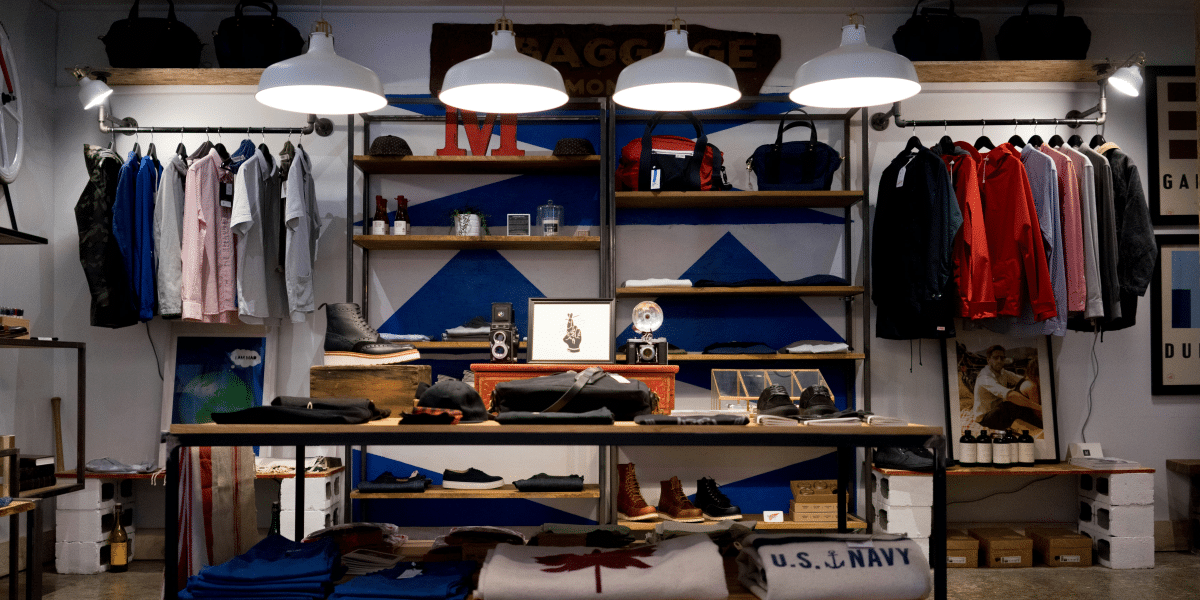
The store layout is, therefore, critical in the retail process since it is a sub-component of retail design that aims to address the aesthetic and operational aspects of the store’s environment. Strategic retail design is about working on store atmosphere, designing an attractive environment that corresponds to the company’s image, and providing a positive customer experience. Another element crucial in retail design is applying color with light and signs to lead customers throughout the store and create the general impression of branded identification. For instance, bright lighting in certain areas will draw attention to particular products; harmonizing color schemes leads to regional compatibility. Also necessary is the arrangement of fixtures and displays to make them reasonable and attractive to compel the customers to roam the entire store.

Photo: Unsplash.com
Harnessing and Building On The Concept of Focal Points
A focal point is also known as an anchor point; parts of your store attract attention through design. These could be read more as displays, promotional stands, or anything that protrudes from the structure of a building. Some strategies to arrange the focal points include placing one or two focal points in different store areas to direct customers’ attention to particular items or locations. Ensure that these focal points are illuminated and placed at eye level to ensure their effectiveness. It is crucial to update them often to maintain the shopper’s interest and ensure the shopping experience is enjoyable.
Space Utilization Can Be Effectively Managed by Zoning
The planning and organization of your store, where certain sections are dedicated to specific products and brands, makes it easier for the clients to find what they are looking for. Similar products are suggested to be clustered together for cross-sellers and upsellers’ opportunities. For instance, placing a headset near clothes or a lampshade near furniture may cause an increase in sales. Ensure customers move easily and elegantly from one zone to another using signage, proper aisles, and pathways.
Optimizing the Layout So That It Generates a Better Flow of Customers
Customer flow is a path that customers pass through your store. The store arrangement should be made so that the customers will be automatically guided through the aisles to glance at necessary product offerings and keep heavy traffic away from prime product zones. Some aspects that should be paid attention to when designing a retail store include comprehensive ways, good signs, and placement of display structures. When customer flows are optimized, it becomes easy to ensure that the customers spend ample time within the store and eventually make a purchase.
People Need to Employ Lighting to Emphasize the Depictions
Lighting is one aspect that can set the pace and tone of your store and highlight strategic areas. These techniques can be applied to establish focal points, emphasize product locations, and even shape customers’ actions. For instance, ambient lighting may suggest comfort in a clothing store, while halogen or spotlighting suits an electronic store. Natural and artificial light should be effectively used in the store to boost the shopping experience.
From This, It Can Be Deduced That Layout Reviews Should Be Routine and Followed Up With Changes as Necessary
The retail environment is changing, and thus, store layouts must change. For any layout to remain relevant, the design must be changed frequently based on customers’ feedback, sales analysis, and other emerging trends. Tools such as IR Thermography can help you analyze customer shifts and change your design. This will mean you stay ahead of rivals and serve your consumers with a unique shopping experience.
Summary
Storing fixture management is a continuous activity that cannot be perfectly accomplished in one go due to the constant changes in customer behavior, different approaches in designing your store, and technology in the store fixture such as IR Thermography. Applying the concepts of visibility, accessibility, and store traffic generation, your store layout should be intended in a way that would positively surprise your customers. In other words, store layout is about more than how the shelves look; it is about how effectively they will be used to support your business and the customers. Using these points, consumers will be well set to create proper patterns as far as shopping experiences are concerned, which will enhance sales and customer loyalty.
Published By: Aize Perez