
Thermal imaging and digital night vision have been made more accessible to the civilian population over the last two decades. While they were once used solely for military and industrial applications, they are now used for hunting and wildlife viewing. The cost of sensors and the size of electronic components have played a role in this. Thus, devices that can see in the dark have been made accessible to a broader population. The market has grown as access to these tools has increased. Manufacturers have created products that can meet the demands of the field rather than a single general-purpose device.
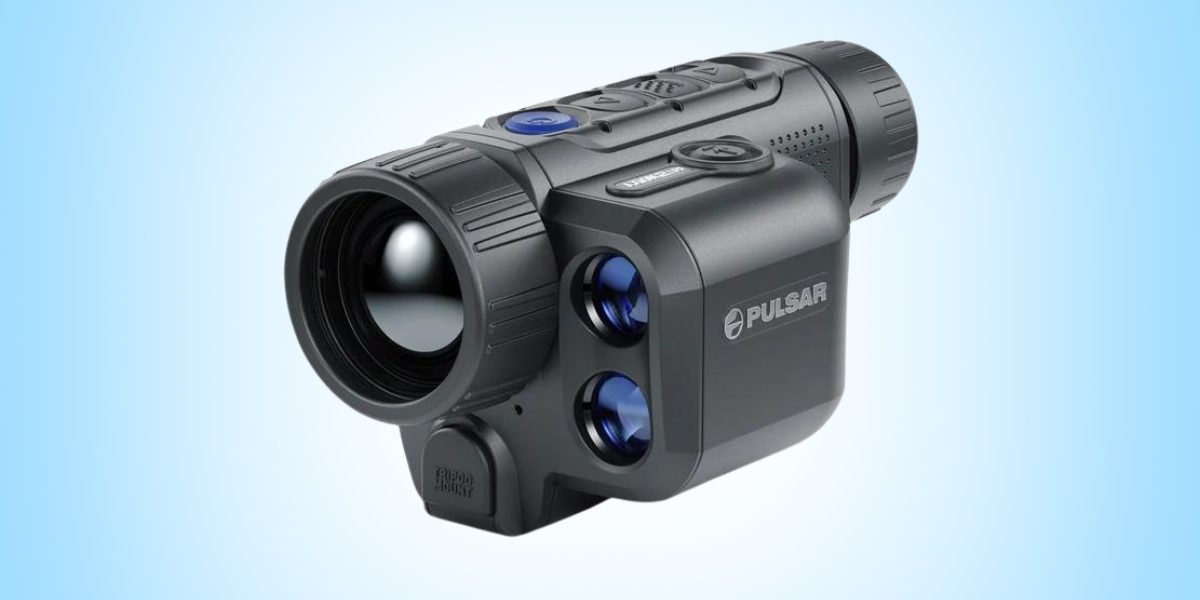
Within this environment, Pulsar operates as a brand focused on thermal imaging and digital night vision devices. Launched in 2009 under Yukon Advanced Optics Worldwide, the brand builds on earlier work that began in 1991 with basic observation tools. Over time, its products have been positioned across hunting, outdoor observation, and search-related use. These markets require devices that can function in low light, detect heat differences, and operate across varied terrain. The company’s product structure reflects these needs, with separate device types designed for scanning, viewing, and mounted use.
In hunting, thermal and night vision tools are used to detect animals that may not be visible to the naked eye. Thermal imaging detects heat differences, revealing movement even in complete darkness or dense cover. Night vision devices amplify available light, allowing visibility in low-light conditions. Pulsar’s handheld monoculars are often used for scanning fields or wooded areas before a target is approached. Mounted riflescopes are then used for aiming. This division between scanning and targeting tools reflects a common hunting practice in which detection and engagement are treated as separate steps.
Wildlife observation represents another area of use. In this regard, the device is used to monitor animal movement without direct interaction. Thermal imaging helps the observer monitor the animals even at night without using visible light, which may interfere with them. Binoculars help the observer view the animals for longer periods without straining the eyes. These applications require the device to produce clear, consistent images. For this reason, the product’s design may focus on the simplicity of the images rather than their functionality.
Outdoor recreation may also contribute to device use. Activities such as camping and night hiking may require a device to help participants see farther than a flashlight’s range. Thermal imaging helps the participants identify the terrain and other heat sources. Though participants may not need advanced technology, the availability of the basic version has helped increase participation.
Activities related to searching are a more specific case. In these cases, thermal imaging can help locate a person, especially when visibility is low, as in a rural or forested environment. The heat detection capability allows the user to locate a person even in poor visibility, such as in darkness or other environmental conditions. The products used have had to be specifically designed for users who might be on foot. This has led to the development of lighter, handheld devices.
The design considerations for these devices have had to balance several factors. Portability has been a critical aspect, especially when designing handheld monocular or binocular devices. These have had to be light enough to be carried for long periods without compromising the device’s functionality. Weather conditions have also had to be taken into account, as the devices might be used when it rains or when the environment is dusty. Image clarity has also remained a central aspect, as the sensor’s resolution greatly influences the device’s ability to display heat differences.
Mounted optics introduce additional design requirements. The rifle scopes must also remain aligned during recoil and remain stable with repeated use. On the other hand, the image quality must be maintained throughout the process. The thermal rifle scopes, such as the Thermion and Talion, have been developed to meet this requirement. The device must provide detection capabilities and stability.
Variation in the environment is another factor to consider in the design and development of rifle scopes. The device must operate reliably in cold climates. In some places, the humidity levels may be high, and the device must be able to operate in such conditions. The thermal imaging device must also operate under various environmental conditions. However, in some areas, the heavy rain and fog might affect the device’s range. The device must be tested to ensure it is functioning as desired.
Pulsar’s market position is related to the use cases and design factors mentioned. Pulsar’s products fall into different categories based on use cases. The handheld devices are for observation and scanning. The mounted devices are for targeting. The binocular devices enable longer-range viewing. The newer devices have explored modularity. Dividing devices by use case enables users to make the right choice for their needs. The needs might involve hunting, observing, or searching.
The brand’s recognition in 2021 and 2025 is tied to awards and honors. The awards and honors come from firearms publications and the Tactical Retailer Choice Awards. The awards and honors indicate that the products have been recognized in the markets for which they were designed. The markets involve hunting and other uses. The awards and honors came during a period when thermal and digital imaging devices were gaining popularity outside traditional markets.
As of 2026, Pulsar remains part of Yukon Advanced Optics Worldwide, with development and production in Lithuania and facilities in Latvia. Pulsar’s current market status remains tied to the production of specific types of thermal and night-vision devices. The emphasis on portability, durability, and image clarity reflects broader trends in the development of outdoor equipment. These trends have been influenced by the environments in which these devices are used and by the practical purposes of the individuals who use them.
In conclusion, the presence of thermal and night vision devices, as used in hunting, wildlife observation, outdoor activities, and search operations, has had a notable influence on the development of these products. The current status of Pulsar has demonstrated the transition of these products from broader civilian purposes while maintaining their specific functions. The emphasis on portability, durability, and image clarity has continued to influence the development of these products, thereby shaping broader use of thermal vision.