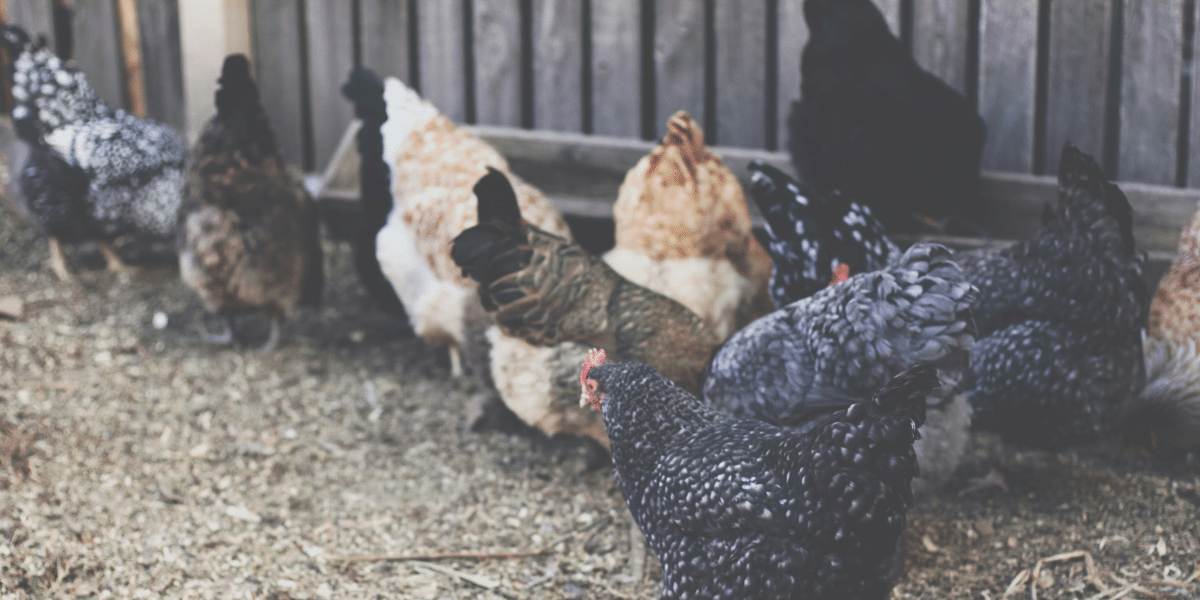


Raising poultry might sound like an easy endeavor, but trust me, anyone who has given it a shot knows otherwise. When you are looking to ramp up your yields, especially if you’re dealing with hundreds, there really is a thin line between care and efficiency with the right setup. Wondering what you could try on your flock for maximum production? Let’s get into actionable tips that will take your poultry game to the next level.
Begin with the Proper Breed
Put it this way: not all chickens are created equal. Some breeds are perfect for egg production, while others are more appropriate for meat. Want to focus on eggs? Consider breeds like Leghorns or Rhode Island Reds. If you’re looking at meat, broiler breeds might be more your speed. Choosing the right breed for your goals can make all the difference. It’s like picking the right tool for a job — each fills its own particular niche.
Feed Them Right
Your chickens are what they eat. For better productivity, they need the right mix of proteins, vitamins, and minerals throughout their life cycle. Young chicks need a different diet than mature birds, so the feed needs to be adjusted accordingly. Don’t compromise on quality feed, and introduce supplements at the right time because, often, your birds don’t get enough nutrition from their routine diet.
Invest in Proper Housing
We all need a good place to live, right? The same goes for your chickens. A spacious commercial chicken house can give your birds the comfort they need to thrive. With proper ventilation, lighting, and ample space, your chickens will be less stressed and generally healthier. When chickens are happy and healthy, they’re more productive. That’s just the way it is. Think of the chicken house as an investment in production — quality housing means quality output.
Keep Things Clean
Cleanliness might seem mundane, but it’s absolutely critical in poultry farming. Imagine how many germs can spread when you have a lot of birds together. To avoid diseases, establish a biosecurity routine. This can be as simple as allowing only a few visitors in your chicken area, disinfecting tools often, and watching for sick birds. An ounce of prevention is worth a pound of cure.
Monitor Health Regularly
Chickens are fairly hardy animals, but they aren’t immune to disease. Regular health checks can save you headaches later on. Noticed any birds acting out of the ordinary? Perhaps they’re not eating as much or seem sluggish? That’s your cue to take action. In addition, vaccinations and regular treatments are all part of the process—think of it as giving your chickens a little extra protection against common poultry diseases.
Properly Dispose of Waste
Waste management might sound like a chore, but it’s a significant part of poultry farming. Plus, chicken waste can actually be quite valuable. If you’re growing crops, they can be composted and used as fertilizer. Keep the area clean, remove the litter periodically, and consider recycling waste. This keeps your birds healthier and reduces environmental impact. It’s a win-win.
Provide Fresh, Clean Water
Did you know chickens can drink almost twice the amount they eat? Clean water is non-negotiable. Dirty water leads to disease, and thirsty chickens won’t produce as much. Regularly check your water supply, clean out troughs or waterers, and make sure your birds always have access to fresh water. It’s one of those small steps that really adds up.
Get the Lighting Just Right
It’s fascinating how much chickens are affected by light. Ever noticed how they slow down production in winter? That’s partly due to shorter days. Chickens respond to light, so many farmers use artificial lighting to keep egg production steady. A slight adjustment can make a difference. You don’t need to turn the place into a spotlight — moderate, well-timed light will do the trick.
Control the Climate
Chickens don’t like extreme heat or cold, so think about climate control in their space. Ventilation systems are crucial for maintaining proper temperature and humidity levels. In warmer months, ensure there’s enough airflow to cool things down, and in colder months, provide enough warmth. Happy chickens mean productive chickens and a comfortable environment goes a long way in ensuring that.
Minimize Stress
Ever heard the expression, “Don’t ruffle any feathers”? Here, it applies literally. Stressed chickens don’t lay well. Too much noise, overcrowding, and sudden changes can make them uneasy. Give them space, handle them gently, and avoid making too many changes in their environment. You want them to feel secure and calm.
Keep Good Records
Data might sound boring, but to a farmer, it’s gold. Keeping records of your chickens’ health, feed consumption, and production rates helps you spot trends or issues early. Maybe you notice that certain feed boosts production, or that certain seasons affect their health. Good data lets you make informed decisions and take proactive measures. It’s like having a roadmap to success.
Keep Learning and Training
Poultry farming isn’t static. Every year, new techniques, tools, and methods emerge. Take an online course, attend workshops, or network with other farmers to keep learning. The more you know, the better prepared you’ll be to adapt and refine your approach. And if you have employees, keep them up-to-date too. Training isn’t just for the birds!
Wrapping Up
Boosting poultry production doesn’t have to be complicated. By selecting the right breed, choosing a high-quality commercial chicken house, managing health, and keeping their environment just right, you’ll see productivity increase. Each of these tips is a piece of the puzzle that, when put together, forms a thriving, productive setup. Ready to roll up your sleeves and see what changes make the biggest difference for your flock?
Published by: Nelly Chavez