

In the current corporate world, innovation is not being blocked by the lack of resources or knowledge, but by the way people think, the culture they have, and the systems they use. In a multinational corporation, people may not want to innovate by thinking differently because of their old ways of doing things, the hierarchical structure of the corporation, or the lack of communication between people in the corporation. Studies in organizational behavior have shown that people’s unconscious biases and the systems they use can hinder their ability to innovate, hence the need for frameworks that can guide the process of innovation.
Within this context, Philippe Boulanger, born on May 11, 1961, in the French town of Roubaix, developed the Innovational Intelligence™ system to help solve the problems in the corporate world. Philippe earned his PhD in computer science from the University of Nice-Sophia Antipolis. He worked in the field with IBM, Sagem, Apple, Sony, and the Neopost Group. Philippe used his knowledge and experience working with multinational teams, launching products, and working in innovation centers to develop the framework of the Innovational Intelligence™ system, which helps people identify the unconscious biases that hinder their ability to innovate.
The Innovational Intelligence™ framework focuses on identifying biases and organizational structures that prevent employees from fully contributing their ideas. Boulanger found that in most companies, brilliant individuals often refrain from sharing their unconventional ideas due to fear of reprisals, concerns about their career progression, and incompatibility with corporate culture. The framework provides an organized way to assess such psychological and structural challenges, enabling managers to gain deeper insights into why good ideas do not come to life.
The Innovational Intelligence™ model is based on six pillars: vision, culture, communication, structure, methodologies, and talent. Vision emphasizes organizational goals that must be crystal clear to everyone in the immediate environment, which means managers must clearly spell them out. Culture emphasizes organizational culture, which must allow people to share their ideas, admit their mistakes, give, and receive feedback without reprisals, to foster true innovation.
The emphasis on communication is on allowing ideas to circulate within an organizational environment. When ideas can circulate freely, brilliant ideas cannot get bogged down by organizational hierarchy. The emphasis on structure is on creating an organizational environment that distinguishes between exploration and execution, which means creating space for testing ideas to learn, experiment, and innovate, thereby creating testing channels to facilitate organizational growth strategies later. Boulanger’s emphasis on structural frameworks is based on his experience working with multinational R&D teams.
The emphasis on methodologies is on creating processes to test ideas, which are risk-based, to allow teams to learn from failures, experiment, and innovate, while creating processes that are based on his experience launching VAIO PCs at Sony, creating Neopost Labs at the Neopost Group, and other experiences.
The emphasis on talent is on people who are curious, experimental, and adaptable, which means that organizational growth must focus on acquiring people who can move with ease in an ever-changing environment.
Application of the Innovational Intelligence™ system extends across corporations, workshops, and advisory programs. In organizational settings, assessments based on the framework help leaders identify areas where innovation capacity is limited. Tools such as the Innovational Intelligent™ Quotient measure differences in perceptions of innovation between management and employees, enabling evidence-based decisions to restructure processes or allocate resources more effectively. Workshops designed around the six pillars provide interactive learning experiences, allowing participants to engage directly with concepts and strategies while assessing real-world applicability.
Boulanger’s approach has been integrated into advisory programs for multinational companies, providing structured guidance to enhance innovation capacity. By combining analysis of organizational culture with actionable methodologies, the framework enables companies to translate creative ideas into measurable outcomes. In practice, this may include the implementation of experimental product development cycles, targeted pilot projects, or process optimization initiatives. Over time, organizations adopting the framework can monitor progress and adjust strategies, creating a feedback loop that aligns innovation initiatives with overall business objectives.
The Innovational Intelligence™ system has influenced organizational practices by demonstrating that innovation is not solely a technical or financial challenge, but a human-centered process. Boulanger’s experience in executive roles managing over 1,100 R&D personnel at Neopost, alongside product launches at Apple and Sony, provided practical insight into how cognitive and structural factors impact the translation of ideas into results. His framework reflects these insights, offering a structured, measurable approach to improving organizational agility and creative output.
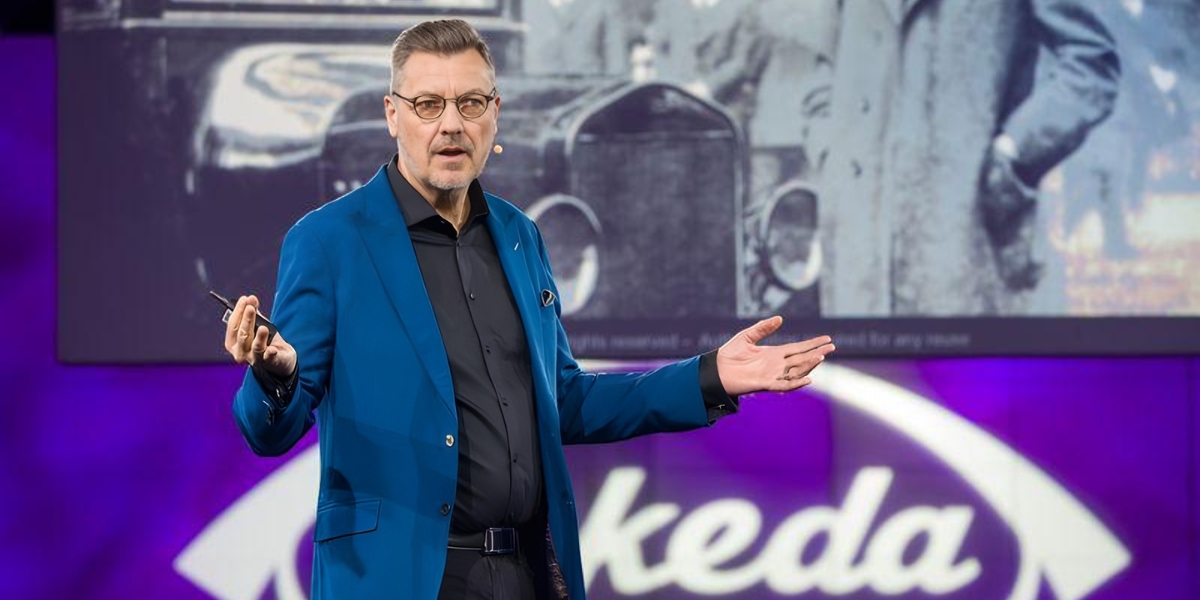
The Innovational Intelligence system is not only useful for corporate advisory work. Public speaking, educational courses, and professional development workshops are also areas where Philippe Boulanger has used his framework to engage with audiences of all sizes. He has been able to turn big ideas about how people think and how organizations work into practical activities. People get to learn how constraints within an organization can affect decision-making, with learning by demonstration rather than theory.
In short, Philippe Boulanger’s Innovational Intelligence framework is intended to address the problems that can prevent an organization from being innovative. The framework has six main pillars: vision, culture, communication, structure, methodologies, and talents. These are intended to identify hidden biases, structural, and cultural issues that can prevent an organization from trying new things. The framework has been used by global organizations, workshops, and advisory work to give an organization a systematic approach to turn ideas into concrete innovation results. This framework is based on Philippe Boulanger’s decades of experience in technology leadership and R&D management.
It shows how an organization can address human limitations to turn conceptual ideas into concrete business results. The Innovational Intelligence system provides a systematic approach to innovation, with tools to help organizations evaluate, develop, and capitalize on their innovation potential. Philippe Boulanger continues to promote, implement, and use his framework through professional work, advisory, and educational work.