
Mayor Zohran Mamdani used his 100-day milestone to lay out an agenda rooted in affordability, urban infrastructure, and a governing style he calls “pothole politics.”
One hundred days into his term as New York City’s mayor, Zohran Mamdani chose a converted music venue in Maspeth, Queens as the setting to account for his time in office — and to signal where his administration is headed next. The Sunday evening rally at the Knockdown Center drew thousands of supporters, city workers, and a surprise guest in U.S. Senator Bernie Sanders, all to the backdrop of campaign-style energy that has defined Mamdani’s early tenure at City Hall.
The centerpiece announcement of the night was one his supporters have been waiting for since Election Day.
NYC’s First City-Run Grocery Store Is Coming to East Harlem
Mamdani announced that La Marqueta in East Harlem, which is owned by the city, will be developed using capital funds as the location of New York City’s first municipally-operated grocery store. The choice of site carries deliberate symbolism. First established by Mayor Fiorello LaGuardia in 1936 as a permanent home to more than 400 pushcart vendors, La Marqueta quickly became an essential food hub for East Harlem residents, serving more than 25,000 patrons a day. Mamdani drew the connection directly: the market was “the same one that LaGuardia opened in 1936 so working people then could save money on fruits and vegetables.”
Because the property is already city-owned, the store will not have to make any rent payments. It will be established in a part of the market that is not currently utilized.
A third-party operator will help determine how much items for sale will cost, but Mamdani says the municipal-run stores are going to offer more affordable prices for grocery staples. He was direct about the goal: “At our stores, eggs will be cheaper. Bread will be cheaper. Grocery shopping will no longer be an unsolvable equation.”
The need is quantifiable. The mayor’s office noted that East Harlem has been plagued by affordability issues, with nearly 38% of households having received public assistance or SNAP in the past year, and 59% of households being unable to afford basic needs. Meanwhile, grocery prices across New York City have risen 66 percent since COVID, according to the mayor’s office.
What It Will Cost — and What the Timeline Looks Like
The fiscal reality of the plan is drawing scrutiny. The East Harlem location alone will reportedly cost $30 million to open. The mayor’s earlier budget proposal set aside $70 million for all five stores combined. That gap — roughly $30 million for one store against a $70 million total budget — has prompted questions about whether the full five-borough rollout is financially feasible within those parameters.
An Economic Development Corporation spokesperson said the city is working to open the East Harlem store by the end of 2027, with the goal of opening all five stores before the end of Mamdani’s administration.
The stores — which would operate without paying rent or taxes — could reshape competition in local food retail, potentially affecting private supermarket operators across the city. Mamdani addressed skeptics directly during the rally: “Now, some will insist that city-owned businesses do not work, that government cannot keep up with corporations. My answer to them is simple: I look forward to the competition. May the most affordable grocery store win.”
Buses, Trash, and the “Pothole Politics” Governing Philosophy
The grocery store was not the only announcement of the evening. Mamdani also announced immediate plans for the Department of Transportation to speed up buses by 20% on 45 routes across the city — a partial pivot after acknowledging earlier in the week that his signature promise of free city buses requires Albany’s approval and is unlikely to materialize this year.
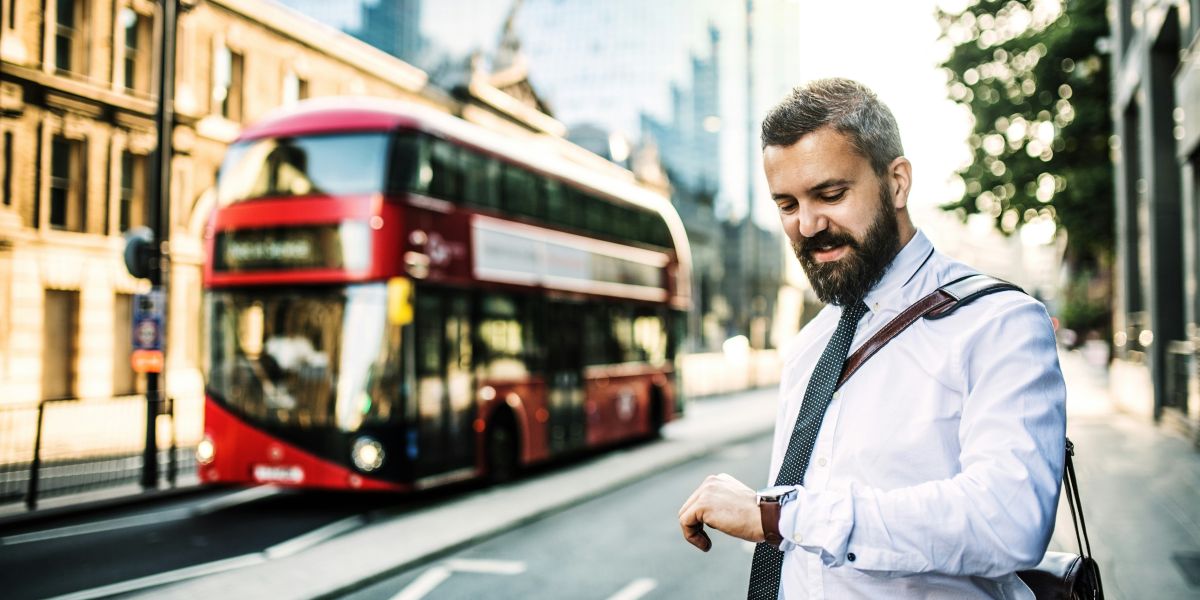
Photo Credit: Unsplash.com
He also committed to full residential trash containerization in at least one community district in each borough by the end of the year, building on an initiative that began under former Mayor Eric Adams but has yet to reach full implementation across the five boroughs.
These commitments connect to what Mamdani is calling “pothole politics” — a governing framework built on the idea that fixing visible, everyday problems builds the credibility necessary to pursue larger structural changes. “This is pothole politics — our 2026 answer to sewer socialism — where government is not too busy, not too self-important, not too mired in paperwork to fix the problems of this city, no matter their size,” he said.
100 Days of Wins, Watchdogs, and Waiting
Mamdani also announced pilot free childcare sites for 2,000 two-year-olds this fall, expanding his early education agenda. He cited 100,000 potholes filled, record-low crime numbers, and a deepening relationship with city sanitation workers as further evidence of a functioning administration.
Sanders, who entered to “Back in Black” by AC/DC and cheers from the crowd, praised the grocery store initiative as “another example of government working for the people” and offered a broader endorsement of Mamdani’s early record.
Not everyone at the venue — or watching from the outside — shared that view. Critics renewed concerns over campaign promises they say remain unfulfilled, including free bus service proposals and broader business community unease about the city’s expanding role in essential services. Community advocates from East Harlem expressed cautious support for the grocery plan while calling on the mayor to ensure the store offers extended hours and accompanies the kind of wraparound services — childcare, community programming — that the neighborhood needs.
Housing also surfaced as a pressure point. Supporters who backed Mamdani on affordability grounds have raised concerns about the city’s appeal of a court order to expand the CityFHEPS housing voucher program, a move that has left some in the progressive coalition that elected him feeling unsatisfied.
Throughout his first 100 days, Mamdani has maintained an unusually visible public presence — riding subways, fielding 311 calls, and joining sanitation crews in the field. He picked up a metal shovel, donned a hard hat, and poured concrete over a pothole to mark the city’s progress — an image that, whatever one thinks of the policy substance, has become emblematic of his approach to the office.
The 100-day mark is a political construct, but for Mamdani it served a specific purpose: demonstrating that delivery, however incremental, is possible. The grocery store plan is the most tangible expression of that argument. Whether the administration can execute it — on time, on something resembling its original budget, and in a way that genuinely serves the communities it is targeting — will define a significant portion of his first term’s legacy.
The next milestone is already in view. The Rent Guidelines Board, with six Mamdani appointees, will decide later this year whether to raise or freeze rents for roughly two million stabilized tenants across New York City. That vote will carry consequences far larger than any single grocery store — and the mayor has made clear he is watching closely.