

New York City’s fast-food industry has long been defined by speed, turnover, and unpredictability. Workers often faced sudden schedule cuts, last-minute firings, or weeks of unstable income with little warning or explanation. The city’s Just Cause law, reinforced by recent reports and enforcement actions, is quietly altering that reality. What once felt like an abstract labor reform is now shaping how fast-food restaurants manage staff, document decisions, and plan their labor costs. For thousands of workers, the change is not theoretical. It shows up in steadier hours, written explanations, and the ability to challenge abrupt job losses.
The Just Cause framework did not appear overnight. It builds on earlier Fair Workweek rules that required advance scheduling and limited sudden hour reductions. Together, these policies aim to reduce income volatility in one of the city’s largest low-wage sectors. Recent city data and settlements highlight that enforcement has moved from warning letters to meaningful penalties. That shift has made the law harder to ignore and more relevant to everyday operations across major chains and smaller franchises alike.
What Does The Just Cause Law Actually Require From Employers?
At its core, the Just Cause law changes the power balance around termination and discipline. Fast-food employers can no longer fire workers on the spot without explanation unless there is a serious and immediate reason tied to safety or misconduct. Instead, they must provide written notice explaining the reason for termination and follow a progressive discipline process that gives workers a chance to improve. This requirement alone marks a major departure from at-will employment norms that have dominated the service sector for decades.
The law also interacts with scheduling protections that require employers to post schedules in advance and limit how drastically hours can be reduced without cause. When layoffs do happen, employers must offer shifts to existing workers before hiring new staff, prioritizing those with more seniority. These rules collectively push restaurants to think longer term about staffing rather than treating labor as a disposable input that can be adjusted day to day.
For workers, the practical impact is clarity. A cut in hours or a firing must now come with documentation. That paper trail becomes crucial if a worker challenges the decision through city agencies. For employers, it means decisions that were once informal now require structure, consistency, and follow-through.
Why Did New York City Focus On Fast-Food Workers?
Fast-food workers sit at the intersection of low wages and high volatility. Many rely on weekly schedules to plan rent, childcare, and transportation. A sudden loss of shifts can trigger cascading financial problems. City officials and labor advocates have argued that this instability is not an inevitable feature of the industry but a result of policy choices that favored flexibility for employers over predictability for workers.
New York City also has leverage in this sector because many fast-food restaurants are part of large national chains. That scale makes enforcement more feasible and the impact more measurable. When the city brings a case against a major employer, the outcome can affect thousands of workers at once and set a compliance standard across the market.
Recent reports from city offices emphasize that the fast-food industry has continued to add jobs even as these protections took effect. That finding undercuts claims that stronger worker protections would automatically lead to widespread closures or layoffs. While individual businesses may face higher compliance costs, the sector as a whole has shown an ability to adapt.
Why Job Stability Matters More In New York City Right Now
These protections carry extra weight because they exist in a city where wages continue to lag behind living costs. Even full-time work does not guarantee stability when rent, transportation, and basic expenses consume most of a paycheck. Recent reporting on job quality in New York City highlights how many workers judge jobs not just by hourly pay, but by predictability, security, and the ability to plan their lives around work rather than react to it. That broader context is explored in detail in this analysis of job quality, wages, and cost-of-living pressures facing NYC workers in 2025.
Against that backdrop, Just Cause protections function as more than workplace rules. They act as stabilizers in an economy where volatility has become the norm. Knowing schedules in advance, having limits on sudden hour cuts, and receiving written explanations for job decisions allow workers to plan rent payments, childcare, and transportation with more confidence. In a city where financial margins are thin, that predictability can make the difference between staying afloat and falling behind.
How Is Enforcement Changing Employer Behavior?
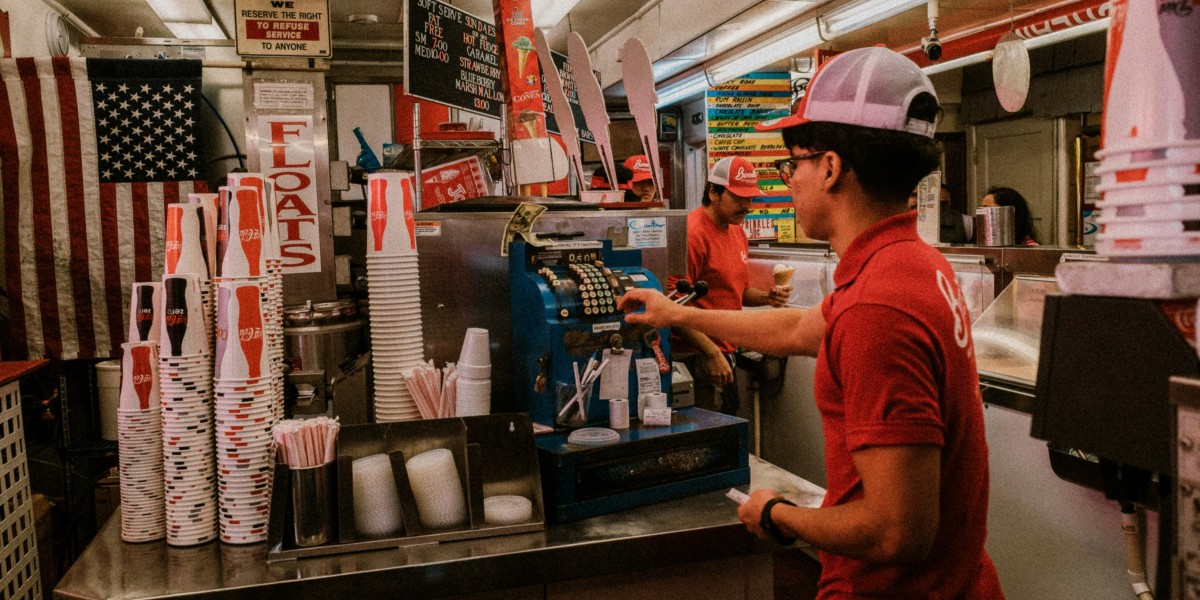
Photo Credit: Unsplash.com
The most significant shift over the past year has been enforcement. Large settlements over violations of scheduling and termination rules have signaled that the city is willing to pursue cases aggressively. These actions have moved the Just Cause law from the margins into boardrooms and legal departments. Employers now factor compliance into budgeting, training, and management systems.
Many chains have invested in updated scheduling software and clearer disciplinary guidelines. Managers are being trained to document performance issues and follow standardized procedures. While some operators argue this adds bureaucracy, others acknowledge that it reduces confusion and inconsistency across locations.
For smaller operators, the adjustment can be harder. Limited administrative capacity makes compliance more burdensome, and mistakes can be costly. City agencies have responded by offering guidance and technical assistance, aiming to prevent unintentional violations while maintaining accountability. The balance between education and enforcement will likely determine how sustainable the law proves over time.
What Does This Mean For Workers’ Day-To-Day Stability?
For workers, the benefits are most visible in predictability. Knowing schedules further in advance allows for better financial planning. Limits on sudden hour cuts reduce the risk of an unexpected income drop. Written explanations for discipline or termination provide a sense of fairness and a basis for appeal.
Just as important is the psychological effect. The law acknowledges fast-food jobs as real employment relationships deserving of due process, not disposable arrangements. That recognition can change how workers see their own position and how managers interact with staff. While the law does not guarantee job security, it raises the cost of arbitrary decisions and creates space for dialogue before termination.
Workers who believe their rights have been violated now have clearer pathways to file complaints and seek restitution. Past settlements have resulted in back pay for thousands of employees, reinforcing the idea that enforcement can deliver tangible outcomes rather than symbolic victories.
Could The Just Cause Model Expand Beyond Fast Food?
The success or failure of New York City’s Just Cause law will influence future labor policy debates. Advocates argue that similar protections should apply to other sectors characterized by unstable scheduling, including retail and app-based delivery work. Critics warn that expanding the model too broadly could strain small businesses and reduce flexibility in industries with fluctuating demand.
For now, fast food remains the testing ground. City officials continue to collect data, assess employment trends, and refine enforcement strategies. The early evidence suggests that stronger protections can coexist with a functioning labor market, but long-term outcomes will depend on economic conditions and political will.
What is clear is that the Just Cause law has moved from concept to consequence. It has changed how fast-food work operates in New York City, embedding stability and documentation into a sector once defined by unpredictability. Whether it becomes a blueprint for other cities or remains a local experiment, its impact on workers’ daily lives is already real and measurable.