

By: Natalie Johnson
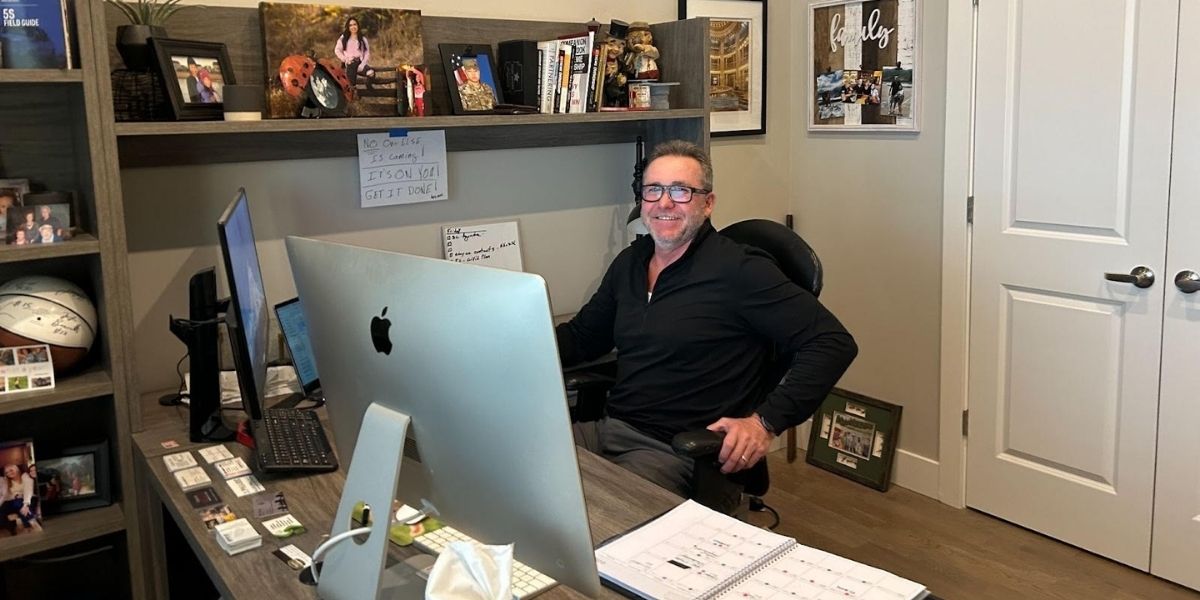
In an industry built on concrete, steel, and precision engineering, Mark Story has spent 37 years discovering that the most critical building material is something else entirely: people. As owner of Commercial Construction Services LLC in Caldwell, Idaho, Story has built a career on a philosophy that challenges conventional construction wisdom: “We build people through building buildings.”
This goes far beyond a catchy tagline. The philosophy represents a fundamental reimagining of what construction companies should prioritize, born from nearly four decades of hands-on experience on some of America’s most challenging projects. From renovating the Idaho State Capitol to constructing federal data centers in the urgent aftermath of September 11, from building some of the nation’s largest and fastest semiconductor plants to erecting football stadiums and basketball arenas, Story has seen the industry from every angle. And what he’s observed is a persistent gap between what general contractors offer their teams and what those teams actually need to succeed.
“Most general contractors provide training that does not help teams in the ways they actually need or want,” Story explains. The disconnect stems from relevance rather than effort or investment. Traditional training programs often miss the mark because they’re developed without deep operational insight into the daily challenges construction professionals face in the field. More critically, the industry remains trapped in an outdated approach: bullying through projects and hoping to make dates rather than creating predictable outcomes through deliberate strategic planning.
Commercial Construction Services LLC. addresses this gap with what Mark Story calls a “three-legged stool” approach. The first leg is years of operations experience, the kind that only comes from managing complex, high-stakes projects across diverse sectors. The second is planning expertise, which Story identifies as the most overlooked component of construction success. Rather than the reactive, crisis-driven approach that dominates the industry, CCS works to transform construction through deliberate strategic planning. The company dissects projects phase by phase and zone by zone to create predictable outcomes rather than last-minute scrambles. The third leg is technology, used as an enabler of better processes and communication rather than a replacement for human expertise.
What holds these three legs together is professional coaching. This element marks where Story’s approach diverges most dramatically from industry norms. Rather than simply delivering information or demonstrating techniques, Commercial Construction Services LLC. coaches teams to internalize and apply principles in real-world scenarios, right on site in the environments where they work day in and day out. “We love to teach and watch people put these tools into action,” Story says. “We want teams to win at building and build themselves in the process.”
This people-first philosophy extends into every aspect of Commercial Construction Services LLC’s work, including the products Story advocates for on job sites. When you put people first, you are always trying to find better tools to make them more efficient and keep them safer. Story has become a proponent of the Varicap rebar safety cap, a product that exemplifies his commitment to protecting workers. Unlike traditional rebar caps that deform when used and frequently fall off, exposing workers to impalement hazards, the Varicap stays securely in place on #4 to #11 bars, T posts, form stakes, conduit, etc. The Varicap requires no additional labor or materials, such as lumber or nails, and goes on effortlessly while delivering superior protection. When other style caps fall off, it becomes an inefficient stoppage of workflow, requiring someone to stop what they are doing to fix them. They get distracted, and when they return to their actual work, the risk of injury or low-quality work increases, and schedules are affected. For Story, choosing better safety equipment represents the same principle as choosing better training: putting people first in every decision. When you give teams tools that work and keep them safer, morale goes up and productivity increases.
This philosophy has proven particularly effective in high-pressure situations. Throughout his career, Story has been called into large-scale projects that were failing, situations where timelines were slipping, teams were fractured, and outcomes looked increasingly uncertain. His approach in these crisis moments reveals the heart of his people-first philosophy: rally the team, create a winning atmosphere through strategic planning rather than panic, and watch previously struggling projects cross the finish line on time. When teams transition from reactive firefighting to proactive planning, they begin enjoying their work again, finding satisfaction in predictable progress rather than constant crisis. You cannot replace a good team member experience when it comes to on-time delivery, safe job sites, high quality, and people retention.
The success of this methodology has convinced Story that the construction industry is “starving for” the kind of direct, relevant coaching his company provides. The demand for strategic planning and professional coaching spans sectors such as healthcare facilities and data centers. When teams have proper support, clear planning, and effective coaching, they complete projects and also grow as professionals.
Story’s proudest achievements reflect this priority. While his resume includes some of the most impressive construction projects in America, he’s quick to redirect the conversation: “We are most proud of the people we have helped build personally and professionally.”
Commercial Construction Services LLC currently works with multiple general contractors, bringing this transformational approach to teams across the industry. The company continues expanding its impact, growing people into leaders, builders, and planners who can transform their own teams and projects through strategic, phase-by-phase planning rather than the bull-your-way-through mentality that has dominated construction for too long.
In an industry often defined by what gets built, Mark Story is making a compelling case that who gets built matters just as much. When construction companies invest in developing their people with the same intentionality they bring to their projects, and when they choose tools and products that prioritize worker safety above convenience, everyone wins: the teams, the companies, and ultimately, the buildings themselves.