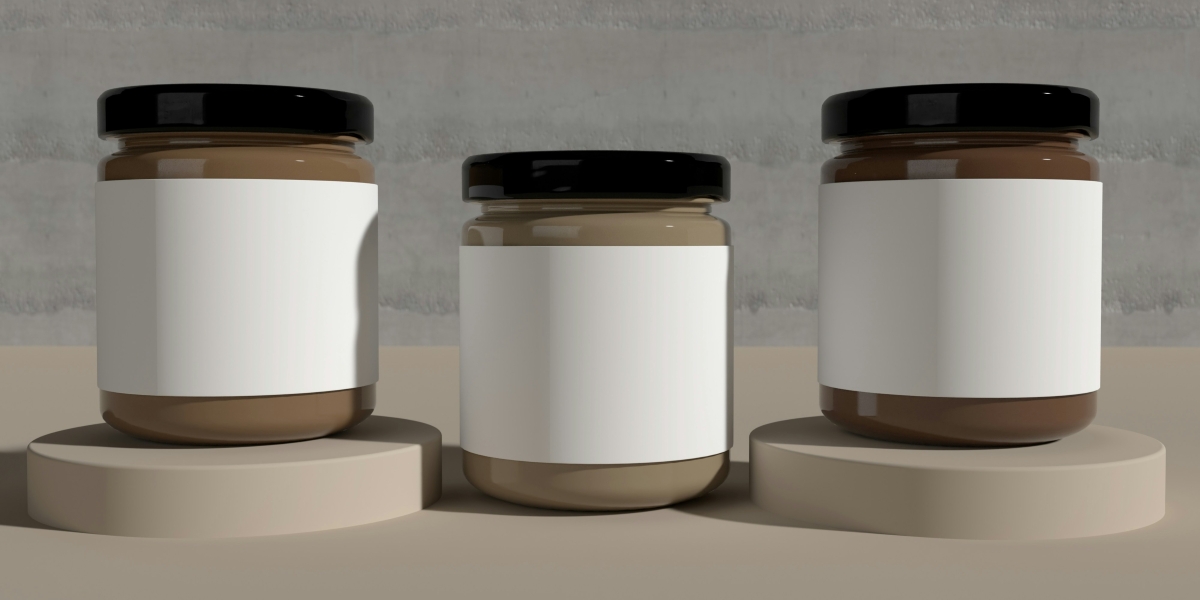


The world of product packaging is constantly evolving, and one of the most noticeable aspects of this evolution is the design of labels for bottles and jars. As consumer preferences shift toward visually appealing, sustainable, and informative packaging, brands are rethinking how they communicate their product’s story. Innovative label designs now extend beyond basic branding, aiming to capture attention, convey quality, and enhance the overall user experience. From bold typography and unique shapes to interactive and textured elements, the possibilities for creativity in label design are expanding rapidly.
Amid these developments, custom labels have become an essential tool for creating distinctive and memorable packaging. By offering flexibility in design, color, and material, they allow products to reflect a brand’s identity while appealing to consumers. Thoughtful label design can transform even everyday bottles and jars into engaging and visually striking products.
Sustainable Materials
Sustainability stands at the forefront of product label design innovation. With consumers more likely to support brands that prioritize the environment, companies are moving toward eco-friendly materials and processes. Labels crafted from recycled papers and biodegradable films, along with plant-based adhesives, showcase a brand’s commitment to reducing its environmental impact. For example, labels made from bamboo fibers or sugarcane bagasse not only offer unique tactile qualities but also communicate a strong eco-conscious message. Brands adopting sustainable packaging appeal more to their evolving customer base.
Minimalist Designs
Minimalism is transforming how labels communicate visually. Its use of clean lines, generous negative space, and straightforward color schemes creates an impression of elegance and transparency. In addition to highlighting the product’s inherent qualities, minimalist designs help reduce ink consumption, aligning with eco-friendly goals. Brands adopting minimalist aesthetics tend to convey honesty, purity, and dependability, qualities that appeal to contemporary consumers who value authenticity and quality in their purchases.
Interactive Labels
Technology has ushered in an age where engagement doesn’t stop at the point of purchase. Interactive labels, featuring QR codes, NFC tags, or Augmented Reality (AR) experiences, bridge the physical and digital realms. When scanned, these features can lead customers to rich, multimedia stories about ingredient sourcing, company values, or offer exclusive promotions and instructions. This integration not only enhances brand storytelling but also cultivates ongoing customer relationships through immersive experiences—an approach increasingly favored by both emerging and established brands.
Bold Colors and Typography
As consumers face shelves teeming with choices, boldness in design becomes crucial. Striking colors, such as vibrant reds, deep blues, or neon greens, draw the eye, while unconventional and oversized typography creates strong brand recall. This trend is particularly impactful in sectors such as beverages, wellness, and specialty foods, where energy and freshness are key messaging points. Thoughtful use of boldness transforms bottles and jars into visual statements that command attention and convey brand identity at a glance.
Textured and Tactile Finishes
Physical texture adds an experiential layer to product interaction. Embossed logos, soft-touch coatings, or raised patterns invite consumers to linger, touch, and establish a multisensory connection with the product before making a purchase. This sensory approach is especially practical for premium products—such as craft spirits, high-end olive oils, or luxury skincare—where tactile finishes convey exclusivity, care, and value.
Transparent Labels
Transparency in packaging, both literal and figurative, is seeing heightened demand. Clear labels allow the contents of bottles and jars to be visible, reinforcing messages of purity, quality, and honesty. This trend is especially popular for products such as beverages, sauces, and beauty products, where consumers want to see what they are purchasing. Clear labels blend seamlessly with the packaging, offering a sophisticated and clean look while highlighting the product’s natural color and texture.
Personalized and Customizable Labels
Personalized labeling is a creative way for brands to deepen customer engagement. Options such as adding customer names, custom messages, or selecting unique artwork for special occasions transform products into personal gifts or mementos. Personalization increases perceived value and encourages repeat purchases—especially in categories such as artisanal foods, boutique wines, and bespoke beauty products. Customizable labels also enable businesses to run successful limited-edition campaigns or create exclusive event merchandise.
Vintage and Retro Inspirations
Vintage and retro-inspired designs are experiencing a strong resurgence, particularly among brands aiming to evoke nostalgia or showcase their heritage. Utilizing retro fonts, classic illustrations, and muted color palettes, these labels evoke a sense of familiarity and trust. They can also help brands tap into the growing consumer desire for authenticity and traditional quality, as reflected in the success of craft beer and heritage food brands reviving historic visual motifs.
Conclusion
Staying updated with emerging label design trends helps brands craft packaging that is both visually appealing and meaningful. From eco-friendly materials and simple aesthetics to interactive and customized features, innovative labels improve brand recognition and customer engagement. By carefully blending creativity, practicality, and consumer appeal, companies can foster loyalty, differentiate themselves from competitors, and remain relevant in a rapidly changing market. Adopting these strategies ensures that bottles and jars do more than hold products—they tell stories, express values, and create lasting impressions.