

Whether you’re trying to block out noisy neighbors or create a quiet home office, learning how to effectively soundproof a room is essential. Soundproofing insulation is a great place to start. Soundproofing involves several strategies and materials to reduce the transmission of sound. Let’s dive into practical and innovative solutions for a quieter living space.
Grasping the Basics of Soundproofing
First, it’s important to distinguish between different types of noise. Airborne noise includes sounds like voices, music and traffic, which travel through the air and enter your space. Structure-borne noise, meanwhile, consists of vibrations from things like footsteps, plumbing and heavy machinery, which travel through solid materials. By identifying the primary noise sources, you can choose suitable soundproofing solutions to meet your specific needs. Remember, sound can travel through walls, floors, and even small cracks, so a thorough approach is crucial.
It’s also imperative that you understand the concept of sound absorption versus sound blocking. Sound absorption materials, like acoustic panels, reduce echoes and reverberation within a room, while sound-blocking materials, such as mass-loaded vinyl, prevent sound from passing through walls and floors. Combining both strategies can yield the best results for your soundproofing project. If you seek professional assistance, consider soundproofing services in Los Angeles to ensure the best outcome.
Selecting the Right Materials
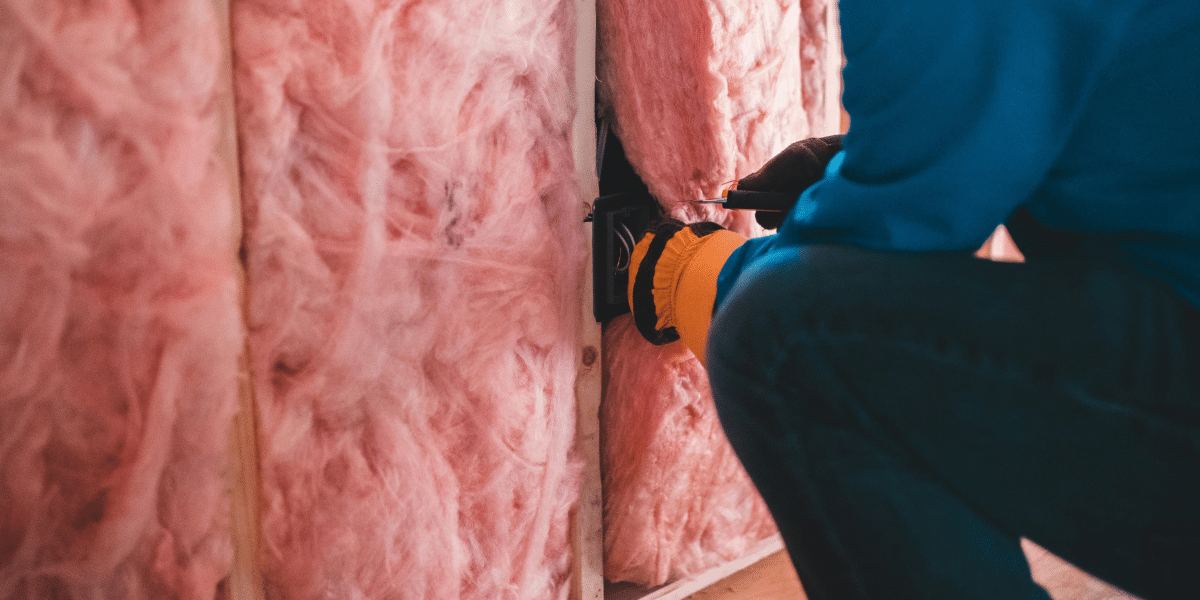
Choosing the right materials can make all the difference. For instance, eco-friendly insulation options like fiberglass, mineral wool and spray foam are highly effective in reducing noise levels. These materials absorb sound waves and prevent them from traveling through walls and ceilings.
Another great option is soundproof drywall, which offers better noise reduction compared to regular drywall. For added effect, acoustic panels can be installed on walls; these panels come in various styles and absorb and diffuse sound waves efficiently. These materials combined can significantly boost your room soundproofing efforts while also being environmentally friendly.
Implementing Effective Installation Techniques
The installation process is just as important as the materials you choose. One crucial first step is sealing gaps and cracks around windows, doors, and even electrical outlets. Small openings can allow a surprising amount of sound to enter or escape. Upgrading your doors and windows can also help and you should consider installing solid-core doors and double-glazed windows for better noise reduction.
To tackle noise from below, soundproofing floors using carpets, pads, or specialized underlays can be incredibly effective. By paying attention to these installation details, you can ensure that your room soundproofing efforts are as successful as possible.
Improving Room Acoustics
Sometimes, enhancing the acoustics within the room can make a big impact on overall noise levels. Simple tweaks like rearranging furniture or adding more items can help absorb and diffuse sound. Thick rugs and heavy curtains are excellent for reducing noise because they add layers of material that sound waves must travel through.
Bookshelves filled with books, wall art and other decorative items can also help disrupt and absorb sound waves. These functional and stylish changes can be part of your broader soundproofing strategy, making your living space quieter and more enjoyable.
Exploring Advanced Soundproofing Solutions
If you’re still dealing with unwanted noise, there are advanced techniques you can consider. Decoupling methods like using staggered stud walls or resilient channels can help reduce sound transfer by creating a buffer between surfaces. For those experiencing noise from above, soundproofing ceilings can be a game-changer. Options include installing drop ceilings and using soundproof ceiling tiles to minimize noise.
Consulting with a soundproofing expert for a professional assessment can provide you with customized solutions suited to your specific challenges. By incorporating these sophisticated measures, your room soundproofing efforts will be exceptionally effective.
Published by: Holy Minoza