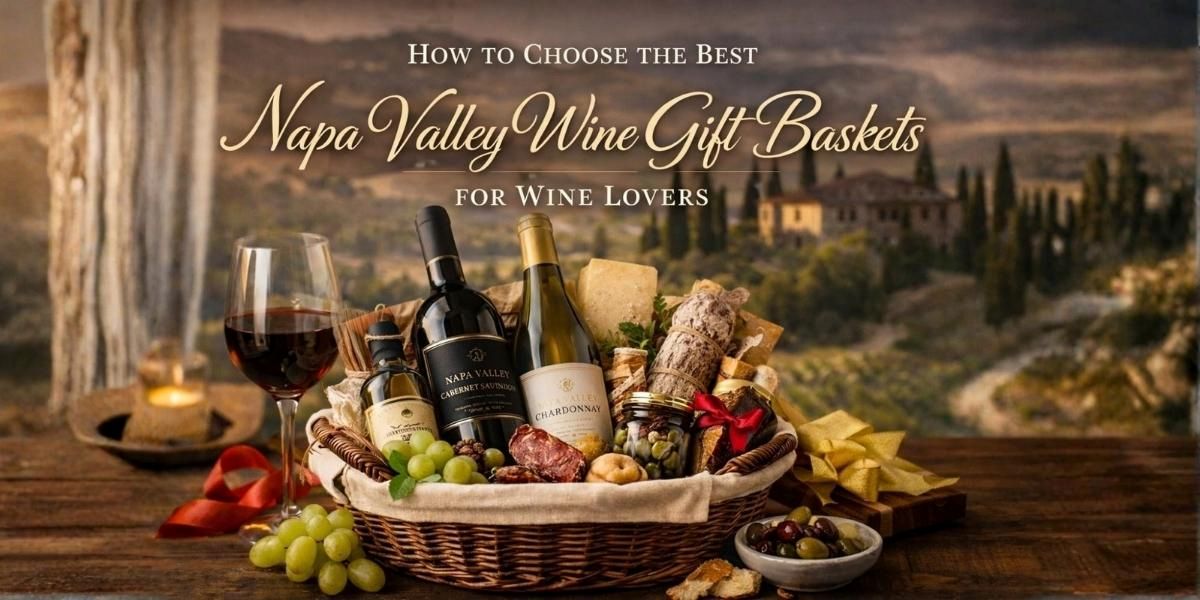


Napa Valley is globally recognized as one of the most respected wine regions in the world. Known for its exceptional terroir, world-class vineyards, and meticulous winemaking traditions, Napa represents quality, authenticity, and refinement. Choosing a wine gift basket from this region is not just about selecting a bottle; it’s about curating an experience rooted in heritage, craftsmanship, and thoughtful appreciation.
For wine lovers, a Napa Valley wine gift basket should feel personal, meaningful, and distinctive. This guide explains how to choose the ideal basket with intention, knowledge, and authenticity, focusing on quality, balance, and trust rather than branding or excess.
Understand the Recipient’s Wine Profile
The foundation of meaningful gifting begins with understanding the recipient’s taste. Napa Valley produces a wide range of wine styles, and selecting the right profile can be more important than choosing the most expensive bottle.
Common Napa preferences include:
- Cabernet Sauvignon – bold, structured, complex
- Chardonnay – elegant, rich, often oak-aged
- Pinot Noir – refined, light-bodied, aromatic
- Merlot – smooth, approachable, balanced
- Sauvignon Blanc – crisp, fresh, vibrant
Matching the wine to the recipient’s palate can transform the gift into a personal experience rather than a generic gesture.
Focus on Authenticity and Origin
True quality begins with provenance. A refined gift basket should clearly reflect Napa Valley’s identity through its wine selection. Authenticity is a core principle of trust-based gifting.
Look for indicators such as:
- Estate-grown vineyards
- Appellation labeling
- Winemaker reputation
- Vintage transparency
- Regional production standards
A well-curated basket tells a story of place, land, and craftsmanship—essential elements of credible wine gifting.
Balance Is More Important Than Quantity
Luxury gifting is not about abundance—it is about harmony. The ideal Napa Valley wine gift baskets maintain a balance between wine, gourmet items, and presentation.
Instead of overcrowded baskets, look for:
- Thoughtful item selection
- Complementary flavors
- Clean visual presentation
- Purposeful pairings
- Cultural coherence
Refinement comes from restraint, not excess.
Choose Complementary Gourmet Pairings
A premium basket should enhance the wine experience, not distract from it. Pairings should elevate tasting rather than overwhelm the palate.
Examples of thoughtful pairings:
- Cabernet Sauvignon with dark chocolate, aged cheeses, or roasted nuts
- Chardonnay with gourmet crackers, honey, or almond biscotti
- Pinot Noir with artisan jams or truffle-infused products
- Sauvignon Blanc with citrus cookies or herb-seasoned snacks
Pairing shows knowledge, care, and respect for wine culture—key elements of sophisticated gifting.
Presentation Reflects Perception
Visual presentation shapes emotional response. Elegant baskets communicate value through simplicity, structure, and design.
A high-quality presentation can often include:
- Natural wood crates
- Linen or fabric lining
- Neutral, refined color palettes
- Structured layouts
- Minimal decorative elements
A well-presented basket feels curated, not commercial.
Consider the Occasion and Gifting Context
Context defines meaning. A corporate gift, personal celebration, or formal milestone all require different tones of presentation and composition.
Contextual alignment can matter:
- Corporate gifting → refined, neutral, professional
- Personal gifting → warm, emotional, expressive
- Celebratory gifting → elegant, festive, premium
- Formal gifting → structured, traditional, timeless
Matching the basket style to the occasion can increase its emotional and cultural relevance.
Educational Value Enhances Trust
Expertise and knowledge elevate gifting quality. Wine gifting becomes more meaningful when supported by understanding rather than assumption.
High-trust wine selection is based on:
- Knowledge of varietals
- Regional climate influence
- Aging methods
- Production standards
- Vineyard practices
Cultural Meaning of Napa Valley Wine Gifting
Napa Valley wines symbolize achievement, refinement, and appreciation. Gifting from this region communicates respect, recognition, and value. It’s not just a gift—it’s a message of esteem and trust.
When thoughtfully curated, Napa Valley Wine Gift Baskets represent timeless gifting rather than trend-based consumption. They work equally well in personal relationships, professional environments, and formal cultural exchanges.
Thoughtful Sourcing & Wine Education Platforms
Modern wine gifting benefits from knowledge-based platforms that emphasize education and authenticity rather than commercial pressure. Informational wine culture spaces, such as DC Wine and Spirits, contribute to responsible wine appreciation by helping consumers understand selection standards, wine regions, and quality benchmarks—supporting informed gifting rather than impulse buying.
This knowledge-driven approach can enhance trust and refinement in wine culture.
Avoid Common Mistakes in Wine Basket Selection
Many wine gifts fail not because of quality, but because of poor intention.
Common mistakes include:
- Choosing based on packaging over wine quality
- Overloading baskets with unrelated items
- Ignoring taste preferences
- Focusing on price rather than meaning
- Treating wine as a decorative object
Avoiding these will help ensure your gift feels thoughtful rather than transactional.
Final Thoughts
Choosing the ideal Napa Valley wine gift basket is not about luxury branding—it is about knowledge, intention, and authenticity. A truly refined basket reflects balance, cultural understanding, and personal consideration.
The most meaningful wine gifts are built on trust, not trends. They communicate respect, appreciation, and connection through craftsmanship and care.
When selected with insight and integrity, a Napa Valley wine gift basket becomes more than a present—it becomes a lasting expression of elegance, credibility, and thoughtful gifting.