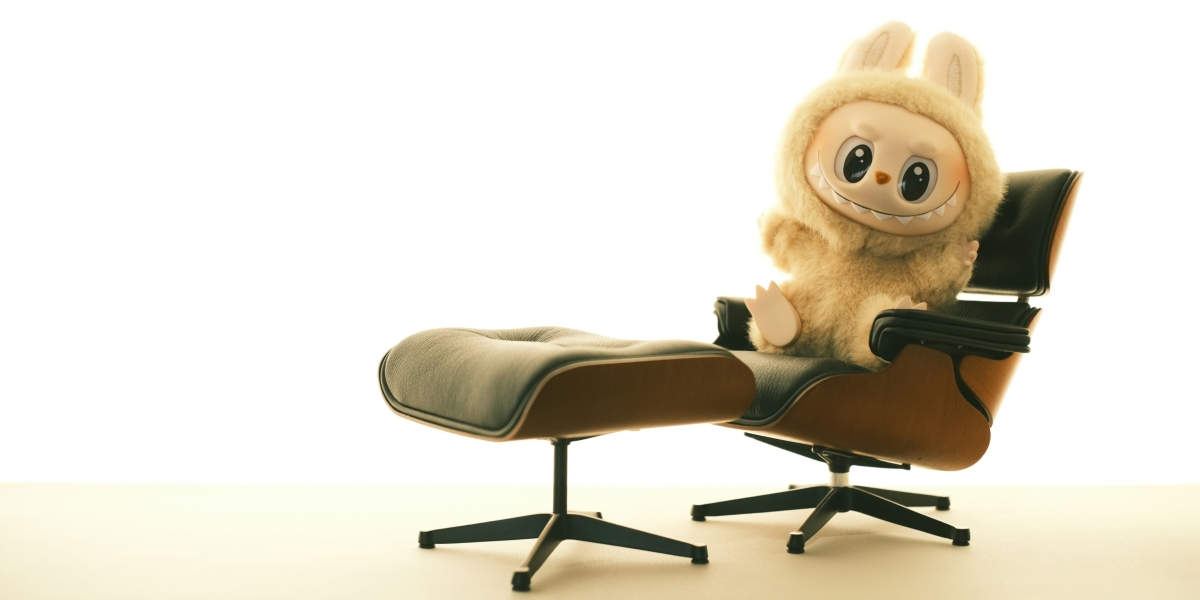


The world of collectibles is changing fast, and somehow, Labubu-yes, that strange little doll with sharp teeth and a mischievous grin-is right in the middle of it all. What started as a quirky character from the mind of Kasing Lung, brought to life by Pop Mart, has become something you might see on a collector’s shelf or in a high-end fashion shoot.
This isn’t just about cute toys anymore. Labubu has become a luxury item. And not by accident.
Behind the scenes, there’s been some seriously smart marketing at work – emotional storytelling, scarcity that drives demand, celebrity hype, and a whole lot of social media buzz. The result? Labubu went from an oddball collectible to a global hit, practically overnight.
So, how did it happen? In this piece, we’ll dig into the key moves that fueled Labubu’s rise, what other brands (big or small) can take away from it, and why this weird little figure might just be one of the smartest branding plays we’ve seen in years.
Emotional Engagement and the Power of Scarcity
A big part of why Labubu took off comes down to something surprisingly simple: emotion. These dolls aren’t just cute – they feel personal. There’s a kind of charm to them that sticks with people, notes Albert Varkki from Von Baer. And the blind box format? That just takes it to another level. You never know which one you’re going to pull, and that little bit of mystery gives you a real jolt. It’s a small thrill, but it’s enough to keep fans coming back for more.
It’s the same trick used by brands like Funko Pop, but Labubu took it further. That moment of surprise turns into something a lot deeper for collectors – it’s not just about owning a figure, it’s about the thrill of the hunt, the story behind each piece, the connection, says Albert.
Then there’s scarcity. Labubu dolls drop in small batches, and some versions are ridiculously hard to find. That drives up demand and makes people want them even more. It’s a move straight out of the luxury fashion playbook – drop something rare, give it just enough visibility, and let the FOMO do the rest.
Labubu also got smart with collabs. Think branded bag charms, keychains, accessories – stuff that crosses over into fashion without feeling forced. Suddenly, Labubu isn’t just a toy. It’s a statement piece. A collectible, sure, but also something that fits right into the luxury world.
The Labubu Effect
Celebrity influence has always been key to luxury success, and Labubu used that well to reach the global stage. K-pop star Lisa played a big role in taking Labubu from a niche collectible to a fashion must-have. When she posted her Labubu dolls on Instagram in 2023, interest skyrocketed. Her large following didn’t just notice—they began associating the dolls with high-end fashion.
Not long after, stars like Rihanna, Dua Lipa, and Pharrell Williams jumped on board, giving Labubu even more credibility in fashion circles.
These moments tied the dolls directly to the style space in a way that felt real. A Vogue Business report noted that 56% of luxury shoppers say celebrity backing strongly influences what they buy.
For brands like trying to build credibility, the key is making sure these celebrity connections feel natural and match the brand’s identity. That kind of genuine alignment speaks to Millennials and Gen Z, who tend to see celebrity ties as a sign that a brand is current and trustworthy.
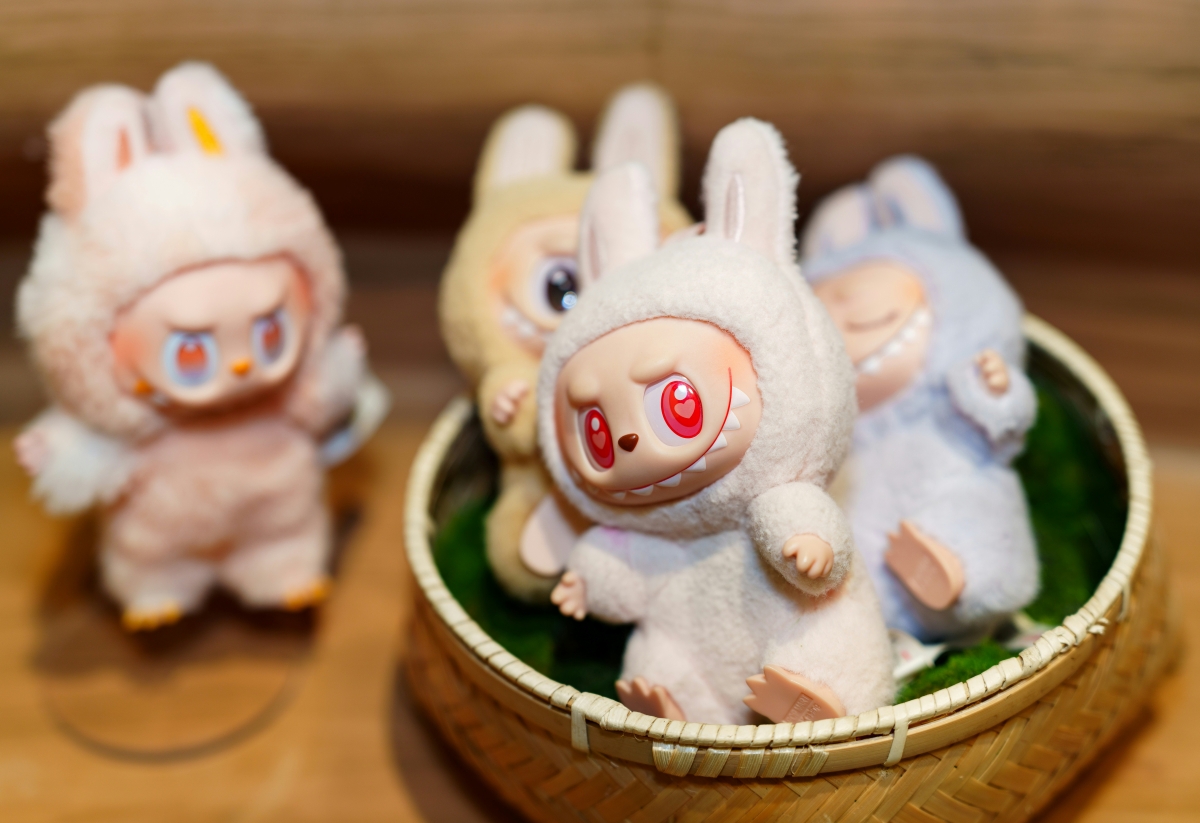
Photo: Unsplash.com
Social Media and Peer-to-Peer Marketing: Labubu’s Viral Rise
Yeah, celebrity buzz gave Labubu a push, but honestly, social media’s what made it go crazy worldwide. TikTok and Instagram? They’re where fans and collectors hang out, sharing everything – from those super addictive unboxing vids to how they mix and match their dolls.
It wasn’t just about buying anymore. People felt like they were part of a bigger thing. Pop Mart caught on fast and kicked off hashtag challenges like #LabubuUnboxing, asking fans to show what they found. That kind of viral vibe helped Labubu blow up – especially with Millennials and Gen Z, who, let’s be real, trust their friends and influencers way more than old-school ads.
According to Meltwater, 71% of Millennials say they’re more likely to buy something after seeing a peer or influencer talk about it on social media.
For luxury brands today, it’s just as important to have real, down-to-earth social campaigns as it is to land those big celebrity endorsements. When customers get to share their own stories, it builds trust and keeps things feeling authentic – something you just can’t fake in today’s marketing world.
Limited Edition Drops: A Streetwear Trick Labubu Uses
Labubu worked with brands like Carhartt and Sacai to make their dolls feel special. This kind of thing is common in streetwear—dropping limited stuff that makes people want to buy fast. Labubu learned how to make their dolls rare and build excitement around them.
Those special editions sell out super fast. If you don’t snag one right away, tough luck. People buy quickly because they don’t want to miss out – plain and simple.
Luxury brands can do the same thing by dropping limited items or teaming up with popular names. It makes people excited and ready to spend more.
Conclusion: What Labubu Gets Right
Labubu’s rise didn’t happen by accident. It hit all the right notes- got people emotionally hooked, kept supply tight, brought in big names, and let fans do the talking online. That mix worked.
If you’re a luxury brand, the takeaway’s simple: make stuff people want, keep it limited, and let your community help carry the hype.
Also, fakes are everywhere now. Brands need to do more to protect their stuff. Better tracking, legit sales channels, whatever it takes to make sure people know what’s real.
Labubu figured out how to stay fresh and relevant. Other brands should pay attention.