

For decades, college athletes generated billions of dollars in revenue for their universities without receiving compensation beyond their scholarships. Television contracts ballooned, merchandise sales climbed, and stadiums sold out season after season, yet the players responsible for that value were barred from profiting off their own name, image, and likeness. Recent legal developments have finally begun to acknowledge what many argued for years, and broader NIL-related settlements tied to collegiate institutions have created a pathway for former Division I athletes to receive compensation for opportunities they were denied.
Those settlements established eligibility windows covering athletes who competed between 2016 and 2024, with damages structured around lost NIL earnings, broadcast value, and licensing opportunities. But while the legal victories were historic, the timeline for actual payouts has proven far less immediate. Distributions are structured over lengthy periods, and ongoing legal proceedings have further delayed the process, leaving thousands of eligible athletes waiting with no clear date on the calendar.
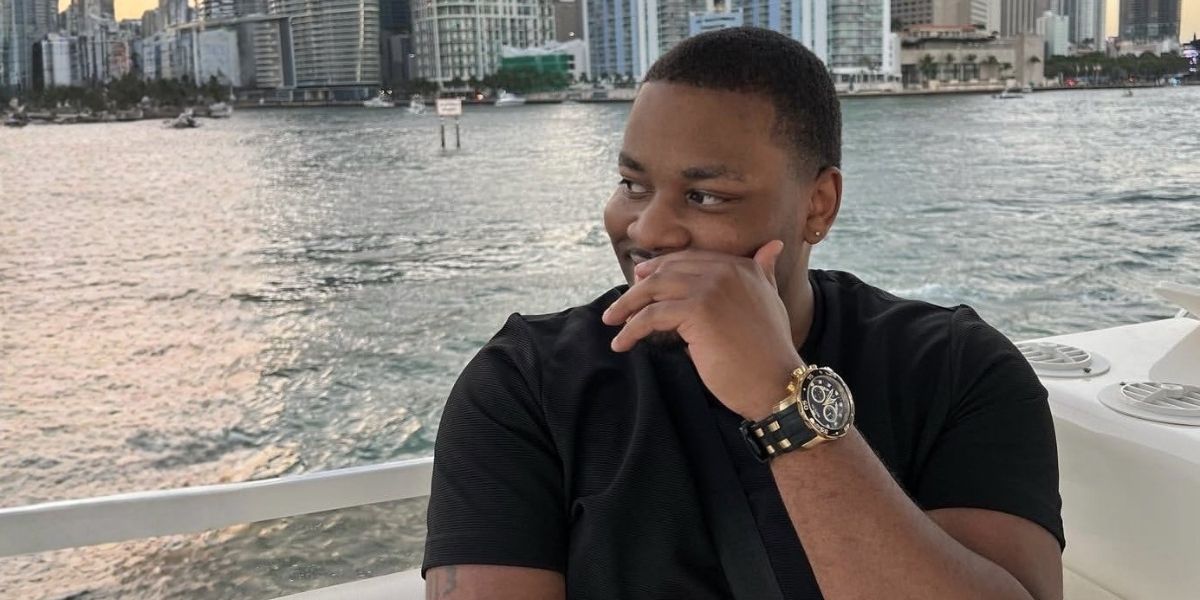
James Jones IV saw that gap between eligibility and payment as an unmet need. He founded J&J Equity Group to work directly with former and current Division I athletes, helping them understand their options and access a portion of the compensation tied to their collegiate contributions without waiting years for the full distribution.
What Drives J&J Equity Group’s Approach?
Jones built J&J Equity Group around a specific window of athletes: those who competed in Division I programs between 2016 and 2024, the eligibility period covered by the broader NIL-related settlements. Many of these athletes are included in settlement classes tied to their institutions but may not fully understand their eligibility, the payout structure, or the alternatives available to them.
“Athletes built the value long before NIL existed, and now it’s time they get paid for it,” Jones said.
The firm takes a business-focused approach, working with eligible athletes to identify their standing within the settlement framework and connecting them with pathways to receive compensation earlier than the drawn-out distribution schedule allows. For Jones, the work is rooted in a practical observation: these athletes filled stadiums, drove television ratings, and built the financial foundation of their programs during an era when they were prohibited from earning anything in return. J&J Equity Group exists to bridge the gap between that confirmed right to compensation and the actual delivery of funds.
Why Retroactive NIL Has Been Overlooked
The broader NIL conversation has largely centered on current college athletes. Revenue-sharing models now allow schools to directly compensate active players, and third-party NIL deals, endorsement contracts, and collectively funded agreements continue to dominate the headlines.
The retroactive component, the piece that applies to athletes who competed before NIL rules took effect in July 2021, has received far less attention. Settlement eligibility criteria vary by sport, scholarship status, conference affiliation, and the specific years of competition. Payout formulas account for broadcast NIL value, licensing, and lost third-party opportunities, but the claims process can feel opaque from the outside.
Many former athletes remain unaware of their eligibility or have resigned themselves to payouts that could be a decade or more away. J&J Equity Group’s model targets that information and access gap directly, combining outreach, education, and financial facilitation to reach athletes who may otherwise miss their window or simply wait indefinitely.
A Rapidly Shifting Space
Photo Courtesy: J&J Equity Group
The post-settlement NIL environment continues to change quickly. New oversight bodies now monitor revenue-sharing caps and NIL deal audits. Federal legislation has been proposed to regulate NIL more broadly. Ongoing legal proceedings continue to add uncertainty to the timeline for distributing back-pay damages to former athletes.
For those former athletes watching these developments unfold, the situation is both validating and uncertain. Their contributions have been acknowledged at the highest levels, but the path to actual compensation remains unclear for many.
Jones has focused J&J Equity Group’s growth on expanding its reach through digital channels and direct outreach to athletes nationwide. The firm’s social media presence serves as both a communication tool and an educational resource, sharing updates on settlement developments and connecting with athletes who may not be closely tracking the legal process.
As the NIL space matures and distribution timelines become clearer, the role of firms like J&J Equity Group stands to grow. The question is no longer whether former athletes deserve compensation for the value they created. The question now is how quickly and effectively that compensation reaches the athletes who earned it.