

By: Andrew Jackson
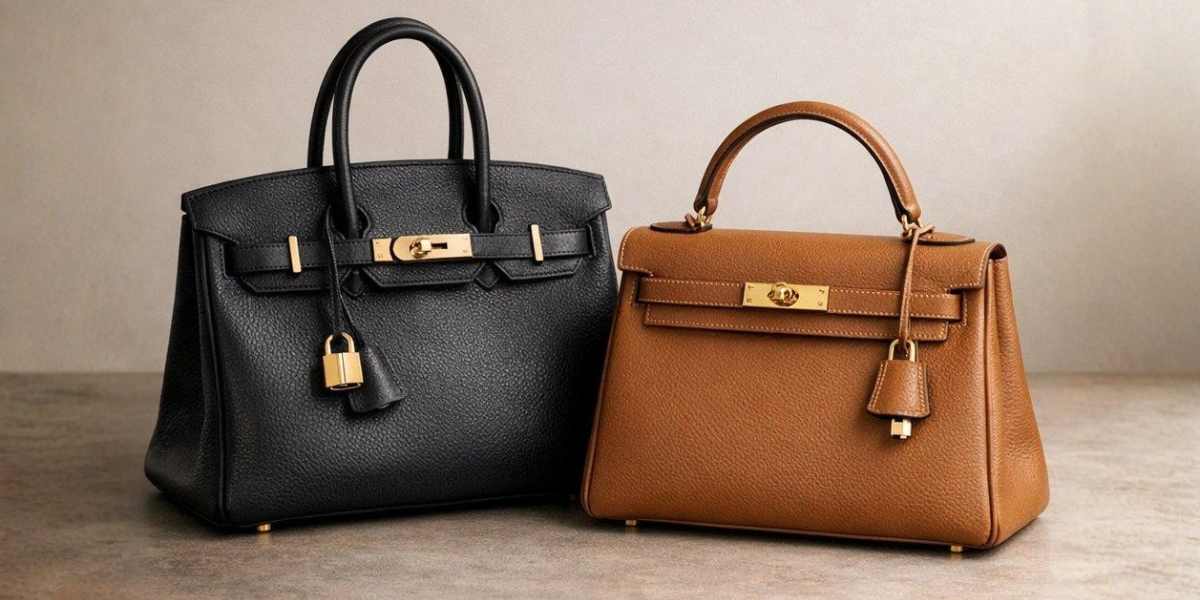
In a fashion world obsessed with the next big thing, timeless pieces still turn heads years later. Hermes designer handbags, from the legendary Birkin to the elegant Kelly, hold their status and often gain value long after trends fade.
You probably feel the exhaustion of constantly chasing new styles only to see them lose appeal almost immediately. This article uncovers the exact strategies heritage brands use to remain desirable in a fast-moving luxury market.
We will walk away understanding clear, actionable principles that create lasting relevance without endless reinvention.
Key Takeaways
- Heritage brands protect a clear identity by filtering trends through their signature codes rather than chasing every new direction
- They evolve slowly with strategic updates that respect their foundation instead of reacting to fast fashion cycles
- They maintain cultural relevance by building communities and meanings around their products that outlast seasonal hype
Protecting a Clear Brand Identity While Trends Come and Go
Heritage brands ground themselves in signature elements that don’t waver, even when the market gets flooded with new aesthetics. They rely on recognizable design codes, real craftsmanship, and stories pulled from actual history, not hype.
Signature Codes That Stay Recognizable
We all notice how some brands keep the same shapes, materials, and color palettes for decades. Burberry has its check. Hermès sticks with its leathers and orange boxes. These visual cues become shortcuts for customers.
When a brand repeats its design language, it builds recognition that lasts beyond trends. You can spot a Chanel tweed or a Gucci loafer across a room because the house protects its look year after year.
This consistency is a relief for shoppers tired of endless trends. Instead of chasing every new thing, people see a stable visual identity as a safe harbor amid chaos.
Craft and Quality as the Lasting Differentiator
Real craftsmanship pops through in the choice of materials, the way pieces are made, and even the small finishing touches. We’re talking hand-stitched seams, full-canvas tailoring, vegetable-tanned leather, and hardware that doesn’t tarnish after a few wears.
These methods take more time and money, but they give you garments that last for years. A well-made coat can handle daily wear, dry cleaning, and storage without falling apart. That kind of durability turns a purchase into a wardrobe anchor.
Quality signals value. When customers see the work that goes into a product, they view it differently from a mass-produced alternative.
Storytelling Rooted in Heritage, Not Hype
Heritage brands use their real archives and founding stories, not just invented marketing narratives. They reference specific decades, original workshops, or techniques the founders developed.
This kind of storytelling gives context. It explains where designs came from and why certain details matter. Maybe a trench coat design started as a military uniform, or a weaving technique came from a regional craft tradition.
When customers learn the true origin of a design or material, they connect with it in a way no influencer campaign can match.
Evolving Slowly and Strategically, Not Chasing Trends
Heritage brands work on a different timeline. While the industry races through trend cycles, these houses make careful adjustments that preserve their original value.
Modernizing Without Losing the Core
We see heritage brands update their classics with small tweaks rather than big overhauls. Maybe a trench gets a slightly looser fit one season. A signature bag gets an adjustable strap. The leather and hardware stay the same, but the silhouette shifts just enough.
Palette updates happen, too, think a deep green added to a lineup of navy and camel, or new materials like water-resistant canvas or performance wool blends. These changes feel natural, not forced.
Updates tend to be quiet. No big announcements, just practical improvements: a coat with better interior pockets, a lining made from a more sustainable fabric. Loyal customers notice, but the core stays familiar.
Scarcity, Pacing, and Restraint as a Strategy
Limited runs protect brand value in ways mass production never will. When heritage houses control distribution, they avoid oversaturation. Their pieces show up in select boutiques, not every mall.
Unlike fast fashion, heritage labels keep output steady rather than being dictated by hype. They produce what their workshops can handle, not what algorithms say will sell fastest.
This approach keeps desire high. A bag that takes months to get feels special. A coat in limited colors stands out. People accept waiting because the product won’t feel dated next year.
Collaborations and Moments That Feel Aligned
Partnerships work when both sides share values. Heritage brands collaborate with artists, architects, or designers who care about craft. These collabs highlight strengths, not just chase new audiences.
Maybe a leather goods house partners with a furniture maker known for joinery. Or a textile brand teams up with a designer who loves natural fibers. These pairings make sense; they don’t feel forced.
But when brands chase viral moments with mismatched partners, it rarely works out. Short-term buzz might spike, but in the long term, it can confuse the brand’s identity.
Staying Culturally Relevant Through Community, Status, and Meaning
Heritage brands don’t just sell stuff. They create a shared language around taste and belonging, giving their pieces meaning that lasts way past any season.
Cultural Placement Through Media, Events, and Tastemakers
Visibility counts, but not all exposure is equal. When a heritage piece turns up on a red carpet, in a street-style shot, or on someone with actual taste, it cements the brand’s place in our collective memory.
Editorial features in fashion media serve as ongoing reminders of why certain silhouettes or materials matter. Red carpet moments amplify this, especially when celebrities choose archival or signature pieces over just whatever’s sponsored.
Context is everything. A logo on social media creates awareness, but a well-chosen piece worn by someone who gets it creates real desire. Heritage brands stick with tastemakers who actually appreciate their work, not just whoever has the biggest reach.
The Role of Collecting and the Secondary Market
Some pieces become icons because people want them for years, even decades after release. The Birkin, the Kelly, the 2.55, the Baguette… these weren’t designed as collectibles, but that’s where they’ve landed.
Resale and vintage markets prove lasting value. When Hermes handbags go up in value, or archival Margiela from the 90s fetches more than retail, it’s about more than trends. Collectors dig into brand histories, hunt for specific years, and share knowledge in tight communities.
All this secondary market activity keeps heritage brands in the conversation. Every resale listing is free marketing. Every vintage find posted online just reinforces the brand’s staying power.
The Modern Consumer Shift Toward Longevity
We’re seeing a real shift toward buying less and choosing more carefully. “Buy less, buy better” lines up perfectly with what heritage brands have always done: making things that last.
Quiet luxury values put quality over obvious branding. More people see care, repair, and long-term ownership as status markers rather than settling for less. Heritage brands have an edge here; their materials and repair services support decades of use.
This isn’t just nostalgia. It’s a reaction to overconsumption fatigue and a desire for wardrobes that actually mean something, not just the latest thing.
Frequently Asked Questions
Heritage brands endure in luxury fashion through decades of consistent craftsmanship, signature aesthetics, and cultural significance, balancing timeless identity with thoughtful evolution to stay relevant.
What makes a fashion brand a “heritage brand”?
A heritage brand is defined by long-term continuity in craftsmanship, design codes, and cultural reputation, often built over decades or generations.
Do heritage brands need to follow trends at all?
They should understand trends, but selectively adapt only what aligns with and supports their core identity. Lasting relevance usually comes from consistency combined with small, intelligent evolution.
Why do timeless handbags stay desirable even when styles change?
Strong, well-resolved design, superior materials, and instantly recognizable details outlast seasonal trends and remain versatile across different wardrobes and occasions.
How do collaborations help heritage brands without diluting them?
Collaborations succeed when they genuinely reinforce the brand’s core values and aesthetic, reach a new audience in a considered way, and avoid superficial novelty or gimmicks.
Is scarcity the main reason some luxury brands stay prestigious?
Scarcity contributes significantly, but it is not sufficient alone. True, long-term prestige rests on consistent quality, unwavering design integrity, and meaningful cultural resonance.