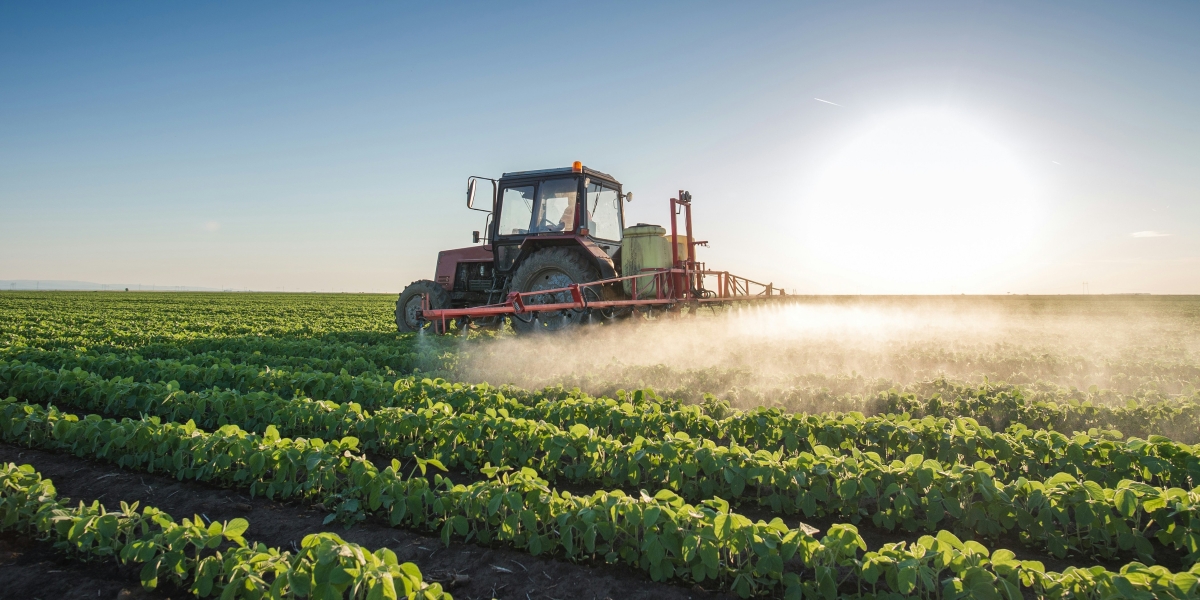


Fresno has long been known as the agricultural center of California. These days, a new generation of entrepreneurs is building technology companies focused on agriculture, contributing to an Ag-tech boom. These professionals are developing artificial intelligence, robotics, and water management solutions that aim to address some of the significant challenges faced by farmers.
These innovations are attracting national investment, but they also bring new operational risks. For founders, investors, and the established businesses in the region, this new landscape requires close attention to liability.
The Innovators Defining the New Market
The opportunities within Fresno’s Ag-tech sector are becoming clearer as a diverse group of startups and established businesses looks to bring cutting-edge solutions to the agricultural industry. These companies are focused on a range of solutions—from data-driven farming techniques to automated systems for planting, harvesting, and crop care.
The sector’s rapid growth is supported by resources like incubators and business accelerators, which provide crucial infrastructure for new ventures. For example, institutions like Fresno State play a key role in fostering an ecosystem that helps bring early-stage innovations to market.
As Ag-tech companies scale, they are addressing some of the oldest challenges in agriculture with newer, tech-driven approaches, including automation, AI, and Internet of Things (IoT) devices, all of which could revolutionize crop management and productivity.
The Unseen Costs of Rapid Scaling
The rapid development of new technology brings new forms of liability. For founders and investors, these risks are as real (and risky) as the market opportunities. As a result, the Ag-tech industry is increasingly adopting heavy, automated machinery, creating new, often complex, logistical challenges.
Liability in Automated Agriculture
The fields around Fresno are becoming testing grounds for automation. Robotic harvesters, autonomous tractors, and AI-powered sprayers are all being integrated into farm operations. While these developments serve to improve efficiency, they also create new and sometimes undefined legal risks. A software issue in a robotic arm could result in an injury to a worker, and an autonomous tractor malfunction could cause damage to neighboring property or expensive equipment.
When an accident occurs, liability could fall on the startup that built the machine, the software developer who coded the AI, or the farm that deployed the technology. These legal grey areas represent a new cost of doing business.
Logistics, Automation, and Supply Chain Dangers
The Ag-tech boom includes the entire supply chain that moves produce from Fresno to the rest of the world. Optimizing logistics is a key goal, and this relies heavily on transportation.
The Highway 99 Logistics Challenge
Fresno’s location on Highway 99 makes it a critical logistics center. Billions of dollars in agricultural products move through this corridor. Tech solutions can help manage this complex network, but the physical work is still done by heavy commercial trucks.
While founders focus on scaling, this rapid growth brings new operational risks. Fleets of self-driving tractors and logistics vehicles mean that a single mistake on the road can carry significant corporate liability. For Fresno businesses, managing the consequences of serious trucking accidents is now an increasingly important part of their growth strategy.
The Pressure on Human Operators
Automation does not remove human operators from the supply chain. Instead, it places new pressures on them. Commercial drivers must work within systems designed for maximum efficiency. They face tight deadlines set by optimized logistics software.
A single collision involving an 80,000-pound commercial truck could have financially significant consequences. For a startup logistics company or a farm’s distribution arm, the financial exposure from just one event could potentially pose a major threat to the business.
An Investor’s View on Due Diligence
Investors looking for the next high-growth opportunity in Fresno’s Ag-tech scene need to look beyond the technology itself. Standard due diligence now must include a more rigorous assessment of these new operational risks. A company’s pitch may focus on its software platform or its proprietary hardware, but investors should also ask important questions about the operational side, such as:
- What are the company’s safety protocols for its new machines?
- How does the company train operators to work alongside its automation?
- What insurance policies are in place to cover these new forms of liability?
- What is the plan for when a piece of heavy, automated equipment fails?
Balancing Innovation with Operational Reality
Fresno’s Ag-tech sector is clearly transforming a legacy industry. The opportunities for founders and investors are substantial, and the companies that are most likely to find long-term success will likely be the ones that effectively manage their new risks. To do so effectively, they will need to develop robust safety systems and prepare for the inevitable liabilities that come with deploying powerful new technologies in the real world.
Disclaimer: The information provided in this article is for general informational purposes only. It is not intended as legal, financial, or professional advice. Readers should consult with appropriate professionals for advice regarding their specific situation, including legal, financial, or risk management concerns related to Ag-tech investments and operations.