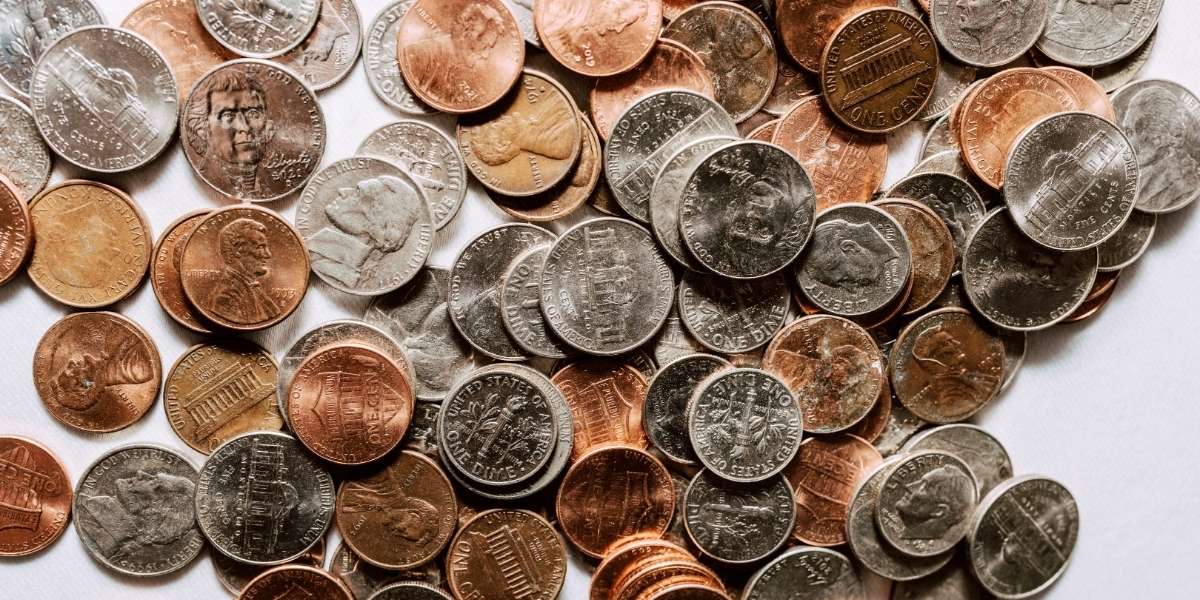

The United States has long been synonymous with its pocket change, but the days of the one-cent coin could be numbered. As the cost of producing the penny continues to outpace its value, a growing number of economists and policymakers are suggesting that it may be time to retire the smallest coin in circulation. If the penny is phased out, it could lead to significant changes in both retail pricing and tax calculations, with ripple effects felt across businesses, consumers, and the overall economy.
The Rising Cost of the Penny
The penny has been under scrutiny for years due to its production costs, which far exceed its face value. According to the U.S. Mint, it costs approximately 2.1 cents to produce a single penny, making it one of the least cost-effective coins in circulation. Despite this, the penny has remained a staple of U.S. currency. However, as the costs continue to rise, both manufacturers and policymakers are reassessing whether it’s time to retire the coin altogether.
This is not a new conversation. Several countries, including Canada and Australia, have already made the decision to eliminate their smallest denominations. For the U.S., the idea of ending the penny has been floated periodically, with some lawmakers championing it as a move toward more efficient and cost-effective currency. While the debate continues, the potential for change grows, especially as the economy shifts and the demand for digital payments increases.
How the End of the Penny Would Impact Retail Pricing
The most immediate impact of eliminating the penny would be on how retailers price goods. In an economy where exact pricing has become the norm, rounding prices to the nearest five-cent increment could become standard practice. This would simplify the checkout process, reducing the need for small change transactions and potentially speeding up the purchasing process, especially in high-volume retail environments.
For example, a product priced at $1.01 could round down to $1.00, while a price of $1.02 might round up to $1.05. This change would lead to simpler transactions at the cash register, especially as more consumers move toward digital payments, where pennies are rarely involved.
But while the removal of pennies may seem like a minor change, it could have deeper implications for the overall retail environment. Businesses would need to adapt their pricing strategies, which could involve adjusting how they mark up products or even implementing new rounding rules for discounts, coupons, and promotions. For consumers, the impact would likely be subtle—perhaps saving a few cents here and there, but the cumulative effect could add up.
Rounding and Inflation Concerns

Photo Credit: Unsplash.com
One of the biggest concerns surrounding the elimination of the penny is the potential impact on inflation. Critics argue that rounding up prices could lead to higher costs for consumers over time, particularly on lower-priced goods. For instance, a product that might have cost $1.01 could now cost $1.05 due to rounding, causing a slight but steady increase in overall consumer spending.
While the impact on inflation may be minimal in the short term, it could still contribute to a gradual increase in the cost of living. Retailers could be incentivized to round prices up more frequently than rounding down, which would disproportionately affect everyday consumers. For those already living on tight budgets, the loss of a penny here and there could feel more significant.
To mitigate this, some countries that have eliminated their smallest denominations have implemented rules requiring businesses to round prices both up and down, ensuring that consumers are not consistently on the losing end of rounding. If the U.S. were to follow suit, it could adopt similar practices to ensure fairness.
The Tax Implications
Beyond the retail space, eliminating the penny would also have significant implications for taxes. In the U.S., sales tax is calculated as a percentage of a product’s purchase price, and the rounding of prices could create discrepancies in tax calculations. For example, rounding a price of $1.01 down to $1.00 could result in a lower tax amount, while rounding up could lead to a slightly higher tax bill.
In states with high sales taxes, this could accumulate over time, particularly for consumers making frequent small purchases. As the federal government and state legislators look into the possible elimination of the penny, it will be crucial to consider how tax rates will be affected. Clear guidelines will need to be established to ensure that businesses are not unduly burdened by the need to adjust their tax reporting methods.
Will the Penny Disappear Soon?
While discussions about the potential end of the penny are ongoing, the change is not expected to happen immediately. There are strong arguments both for and against eliminating the penny, and public opinion is divided. Some Americans have expressed concern over losing the familiar coin, while others welcome the idea as a practical move to streamline currency and reduce unnecessary costs.
At the same time, digital payments are becoming more prevalent, reducing the need for physical currency in many transactions. As the economy becomes increasingly cashless, the penny’s relevance continues to diminish. In fact, some experts argue that the coin’s demise is inevitable as more businesses shift to electronic payment systems that don’t require small coins.
The decision to eliminate the penny would likely come from a mix of economic, consumer, and technological factors. If lawmakers and businesses ultimately agree that it’s time for the penny to go, the change could bring about a more efficient, modern retail landscape. However, how it will affect consumers, businesses, and tax systems remains to be seen.
A Changing Landscape for Consumers and Businesses
In the end, the removal of the penny will bring mixed reactions from consumers and businesses alike. While retailers may benefit from more streamlined pricing systems and tax calculation methods, some consumers may feel that they are paying just a little bit more for the goods they buy.
The question remains: will the U.S. make the leap to a penny-free society? As the nation continues to evolve toward a more digital future, the penny could soon be relegated to history, leaving behind a simpler, albeit more rounded, way to price and tax goods.