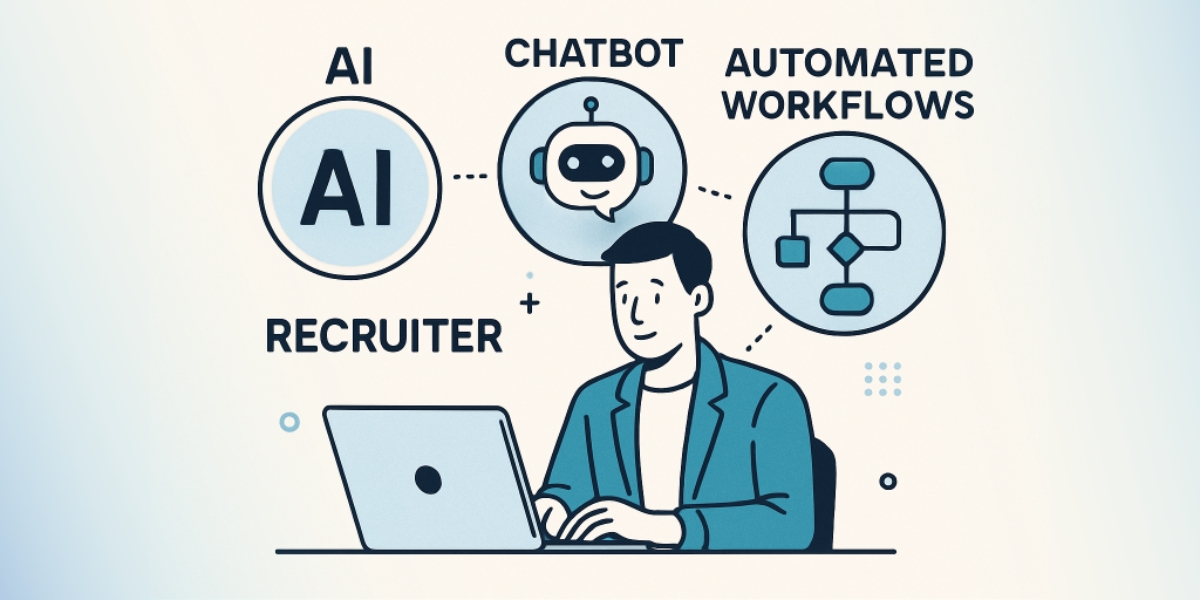


The evolution of digital technology is dramatically changing the way organizations attract, evaluate, and hire talent. By leveraging innovative solutions such as applicant tracking systems, artificial intelligence, and automation, companies are streamlining their hiring processes and improving candidate engagement. In fact, a well-implemented applicant tracking system enables recruiters to organize applications, automate communication, and optimize every stage of the recruitment journey.
With job seekers now expecting ease, speed, and transparency in the application process, digital hiring tools have become a necessity rather than a nice-to-have. They not only allow employers to tap into a wider talent pool but also help reduce bias, boost diversity, and make more informed hiring decisions. These advances are critical as labor markets become increasingly competitive and businesses strive to secure the best talent for their teams.
Digital hiring innovations also mean candidates can engage with employers beyond borders and traditional business hours, providing unmatched flexibility. Recruiters, meanwhile, can focus more on building relationships and less on administrative burdens—ushering in a new era of strategic talent acquisition that leverages data and technology. Below, we explore how these digital solutions are reshaping hiring across key stages of the recruitment funnel.
AI-Powered Candidate Screening
Artificial intelligence is revolutionizing recruitment by making candidate screening faster, smarter, and more reliable. AI-driven platforms analyze vast datasets to identify top-performing talent by parsing resumes and evaluating applicants against specific job criteria. These tools not only help weed out unqualified candidates with impressive accuracy, but they also minimize unconscious bias—something traditional screening procedures often struggle with. AI-powered chatbots are increasingly responsible for first-point candidate engagement, handling initial queries, and scheduling interviews within minutes, which improves both recruiter efficiency and candidate experience.
Virtual Interviews and Assessments
The rise of virtual hiring has opened up new possibilities for remote talent acquisition. Cloud-based interview platforms like HireVue and Zoom provide employers with scalable solutions to conduct interviews and assessments from anywhere in the world. Many of these platforms use AI to assess candidate body language, tone, and even word choice, providing in-depth, real-time feedback to recruiters. Global organizations benefit tremendously by accessing candidates they might never have otherwise considered and by allowing job applicants to demonstrate their skills without geographical barriers.
Automation in Recruitment
Automation reduces friction at every step of the hiring workflow. Whether it’s scheduling interviews, sending reminder emails, or moving candidates through the pipeline, automated systems let HR teams focus on what matters—building meaningful relationships with prospective hires. Chatbots like Paradox’s Olivia provide 24/7 candidate engagement, ensuring no application is left behind, and can even conduct initial screening tasks, such as basic skills assessments or document collection. With less manual intervention, hiring teams see dramatic reductions in time-to-hire and cost-per-hire, while candidates enjoy a smoother and more responsive journey.
Data-Driven Hiring Decisions
Harnessing the power of predictive analytics, digital hiring tools enable recruiters to look beyond resumes and examine skills, cultural fit, and growth potential. By combining historical hiring data with current assessments, organizations can identify factors that correlate with long-term success and retention. This data-driven methodology enables a fairer, more robust talent evaluation process and drives more confident hiring decisions. Moreover, ongoing monitoring and analysis provide continuous feedback to optimize future hires.
Enhancing Candidate Experience
For modern job seekers, the application process doubles as an early impression of an employer’s culture and values. Digital hiring tools are substantially improving the candidate journey by allowing self-scheduling, instant feedback, and on-demand support. For example, Paradox’s AI platform has already facilitated millions of candidate conversations, delivering conversion rates that reflect a highly engaging, user-friendly process. Faster response times and proactive communication greatly enhance satisfaction, making it far more likely for candidates to complete their applications and accept offers.
Challenges and Considerations
Despite their benefits, digital hiring tools carry some risks, including concerns about data privacy and algorithmic bias. Overreliance on automation may also dehumanize the process or miss out on exceptional, nontraditional candidates. A balanced approach—combining digital efficiency with human judgment—is essential. Organizations must ensure that systems are monitored and regularly audited for fairness and compliance. The Society for Human Resource Management (SHRM) offers guidance on ethical AI and mitigating risks associated with digital recruitment tools.
Future Trends in Digital Recruitment
As technology advances, digital recruitment will continue to evolve. AI and machine learning are set to drive even deeper personalization and predictive capability. At the same time, emerging tools such as virtual reality and augmented reality are poised to revolutionize interview simulations and onboarding. These innovations promise a more immersive, engaging, and insightful recruitment process, ultimately connecting employers and candidates in more meaningful ways.
Conclusion
Digital hiring tools are reshaping the recruitment landscape, offering tangible benefits such as faster time-to-hire, smarter, data-driven decisions, and a superior candidate experience. By thoughtfully integrating these technologies, organizations can attract top talent while ensuring fairness, transparency, and efficiency at every stage of the hiring process. With the right balance between digital innovation and human touch, the future of recruitment is not just brighter—it’s smarter and more inclusive.