

By: Jacob Maslow
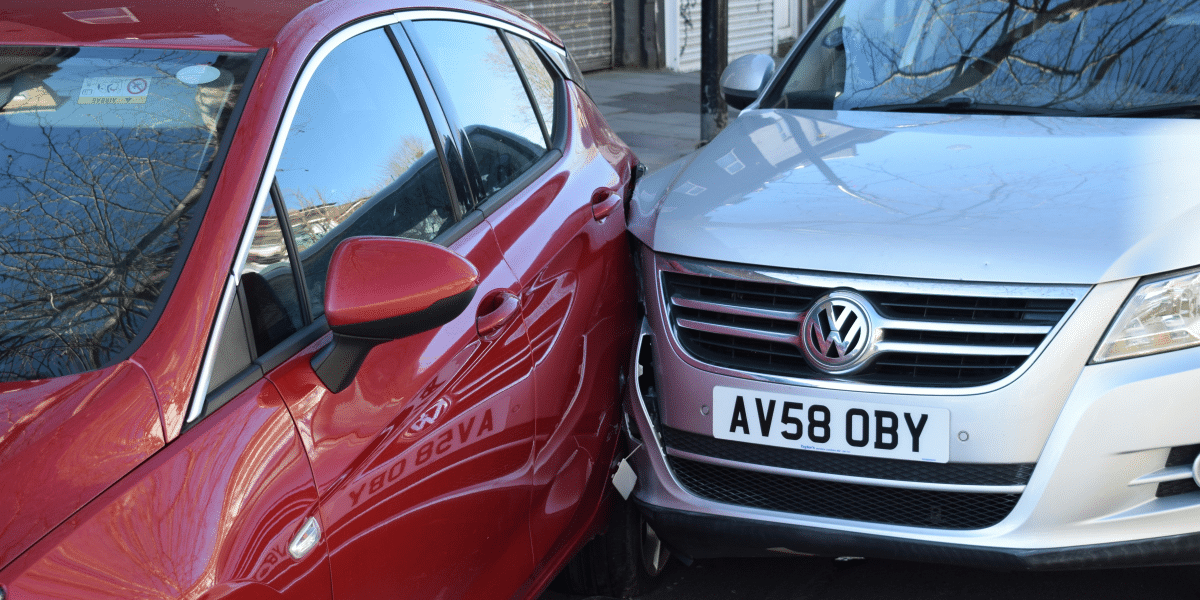
There is no denying that car accidents are very common and can happen to anyone at any time. It is an unfortunate reality that many people face, and the consequences of a car accident can be far-reaching. Not only do they cause physical damage and emotional trauma, but they can also have a significant impact on your auto insurance premiums.
In this guide, we will explore how car accidents can affect your auto insurance premiums and what steps you can take to mitigate the impact. We will also discuss the importance of having proper insurance coverage and what to do if you’re involved in an accident.
How Car Accidents Can Increase Your Premiums
When you are involved in a car accident, it is almost certain that your auto insurance premiums will increase. This is because insurance companies consider individuals who have been involved in accidents as a higher risk to insure. This increased risk translates into higher premiums for the individual.
A few factors can influence how much your premiums will increase after an accident. These include the severity of the accident, who was at fault, and your past driving record. Let’s take a closer look at each of these factors.
Severity of the Accident
The accident’s severity plays a significant role in determining how much your premiums will increase. If it was a minor fender bender with no injuries or major damage, your premiums may not increase by much. However, your premiums could increase significantly if the accident resulted in serious injuries or significant property damage.
Insurance companies use statistics and data to assess risk and determine how likely you are to be involved in another accident. Therefore, if you have been in a severe accident before, they may see you as a higher risk and raise your premiums accordingly.
Fault
In some cases, insurance companies will increase your premiums if you were at fault for the accident. This is because they see you as a riskier driver who is more likely to be involved in future accidents. However, if the other party was at fault and their insurance covers all damages, your premiums may not be affected.
It is essential to note that determining fault for an accident can sometimes be complicated. Insurance companies will investigate and consider factors such as police reports, witness statements, and any evidence from the scene before making a decision.
Past Driving Record
Your previous driving record plays a crucial role in determining the extent of premium hikes following an accident. Instances of multiple accidents or traffic infractions in your history may lead insurance providers to categorize you as a high-risk driver, resulting in elevated premiums.
On the other hand, if you have a clean driving record, insurance companies may be more lenient when it comes to increasing your premiums after an accident. They may see the accident as a one-time incident and not penalize you as heavily.
Therefore, it is always essential to practice safe driving habits and maintain a good driving record to avoid potential increases in your premiums.
Steps to Mitigate the Impact of an Accident on Your Premiums
While a car accident can lead to increased insurance premiums, there are steps you can take to mitigate the impact. These include:
- Choosing a higher deductible: Increasing your deductible means paying more out-of-pocket in case of an accident, but it could also mean lower premiums. Talk to your insurance provider about adjusting your deductible if necessary.
- Take advantage of discounts: Many insurance companies offer various discounts for safe driving habits or having multiple policies with them. Be sure to inquire about any available discounts and take advantage of them to offset the potential increase in premiums.
- Consider bundling your policies: Bundling your auto insurance with other types of insurance, such as home or life insurance, can often lead to lower premiums. It is worth discussing this with your insurance provider to see if it is an option for you.

Photo: Unsplash.com
Importance of Proper Insurance Coverage
Having proper insurance coverage is crucial in protecting yourself and others in case of a car accident. Not only does it provide financial protection for any damages or injuries, but it also helps mitigate the impact on your future premiums.
It is essential to choose a policy that provides adequate coverage for both liability and collision. Liability coverage will protect you if you are at fault for an accident and the other party files a claim against you. Collision coverage will cover damages to your vehicle, regardless of who is at fault.
Be sure to review your insurance policy regularly and make any necessary updates to ensure that you have adequate coverage in case of an accident.
What to Do In the Event of An Accident
If you are involved in a car accident, the first and important thing to do is to check for any injuries and call for medical assistance if needed. Next, follow these steps:
1. Exchange insurance information with the other party.
2. Take pictures of any damages or injuries at the scene of the accident.
3. File a police report.
4. Notify your insurance provider as soon as possible.
5. Seek legal assistance, if necessary.
Remember to stay calm and avoid admitting fault or making any agreements with the other party without consulting your insurance provider first. Following these steps will help ensure a smoother claims process and minimize the impact on your premiums.
Disclaimer: “The content in this article is provided for general knowledge. It does not constitute legal advice, and readers should seek advice from qualified legal professionals regarding particular cases or situations.”
Published by: Nelly Chavez