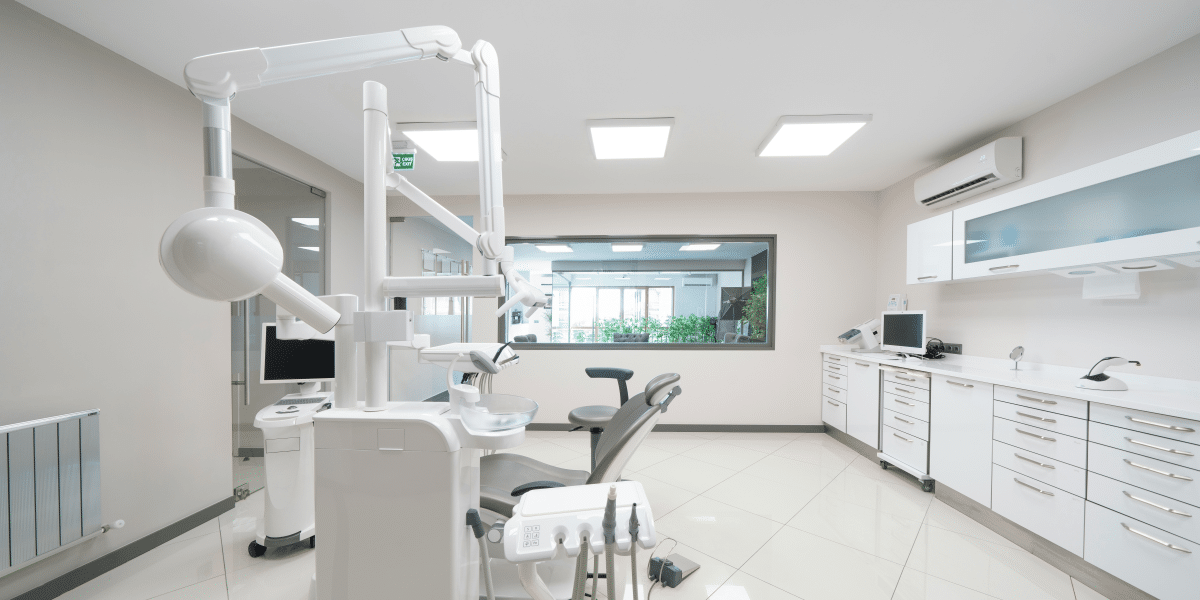


Why Is Laboratory Hygiene Important?
Maintaining proper laboratory hygiene is crucial for ensuring reliable and accurate results in your experiments. Clean environments help prevent contamination that can skew data and lead to false conclusions. By prioritizing hygiene, you also protect yourself and others from potential hazards associated with chemical and biological agents. Keeping the lab clean minimizes the risk of accidents and ensures that equipment functions optimally. In essence, good hygiene practices are the foundation of safe and effective scientific research, allowing you to focus on your work with peace of mind.
What Are the Key Cleaning Protocols for Laboratory Equipment?
When it comes to keeping laboratory equipment clean, following the right protocols is crucial. First, always wear personal protective equipment (PPE) like gloves and goggles to protect yourself from hazardous chemicals. Start by using the appropriate cleaning agents that match the material of your equipment. This ensures that no damage occurs during the cleaning process.
Soap and water are often sufficient for basic cleaning, but for stubborn residues, you may need specialized detergents. Make sure to rinse equipment thoroughly with distilled water to remove any lingering cleaning agents that could contaminate future experiments.
Regular maintenance is also key. Develop a cleaning schedule to ensure consistency and check equipment for signs of wear or contamination. This proactive approach prevents small issues from becoming major problems.
Finally, equipment should always be stored properly after cleaning. Use dust covers or cabinets to keep equipment free from environmental contaminants. By adhering to these protocols, you ensure the reliability and accuracy of your laboratory results, maintaining a safe and effective research environment.
How Do Clean Rooms Contribute to Accurate Results?
Clean rooms play a crucial role in ensuring the accuracy of laboratory results. By maintaining a controlled environment, they minimize contamination risks, which can otherwise lead to skewed data. In these spaces, air quality, temperature, and humidity are tightly regulated, reducing the presence of dust and other particulates that could interfere with experiments.
When you work in a clean room, the precision of your measurements improves because the environment is free from variables that could affect your outcomes. This reliability is essential for experiments that require high levels of accuracy, such as those in pharmaceutical or semiconductor research.
Additionally, clean rooms help maintain consistency across different tests and time periods. By ensuring that external factors don’t alter your conditions, you can be more confident in the reproducibility of your results, which is vital for scientific credibility and advancement.
How Can You Maintain Clean Rooms and Equipment Effectively?
Keeping your laboratory environment pristine involves a few straightforward practices. Start with regular cleaning schedules to ensure every piece of equipment is spotless and ready for use. Using the right cleaning agents is crucial—make sure they’re suitable for the materials you’re working with. Personal protective equipment (PPE) is a must to keep both you and your equipment safe from contaminants.
Implementing strict protocols for entering clean rooms helps maintain their integrity. This includes wearing appropriate attire and minimizing any unnecessary movement that might introduce contaminants. Additionally, proper storage of equipment and chemicals reduces clutter and potential contamination.
For more detailed guidance, explore our comprehensive tips on maintaining clean rooms and laboratory equipment. By following these practices, you can ensure a reliable and safe research environment.
What Are the Benefits of Maintaining Proper Laboratory Hygiene?
Maintaining proper laboratory hygiene ensures accurate results, enhances safety, and prolongs the lifespan of equipment. By following good practices, you reduce contamination risks and create a safer environment for everyone involved. This not only supports reliable scientific outcomes but also contributes to a more efficient and effective research process.
Published by: Nelly Chavez