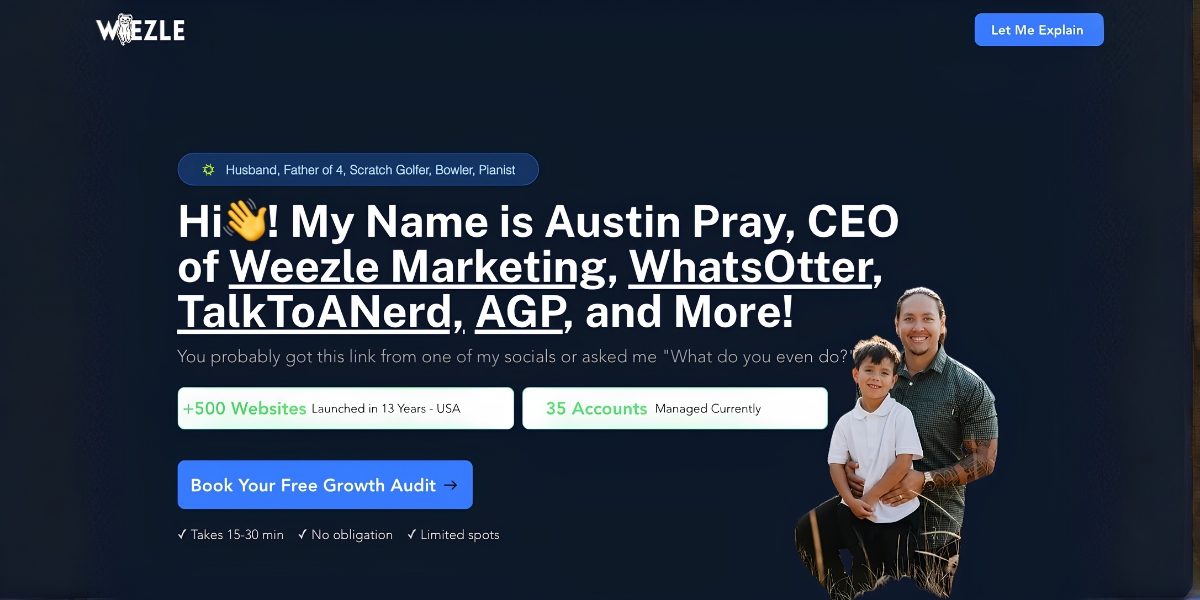

Search behavior has changed. People type full questions into search bars and expect a direct answer, not a page of blue links. That shift created a practice called answer engine optimization, and agencies have had to rebuild their process around it. Austin Pray, CEO of Weezle Marketing, has watched these changes arrive since 2013 and adjusted his methods each time.
Pray runs Weezle Marketing from Missoula, Montana, working with clients across the United States. Much of his current work centers on answer engine optimization, the practice of structuring content so AI-driven search tools can find it, read it, and cite it.
What Answer Engine Optimization Means for Businesses
Traditional search work aimed at rankings. A page reached position three, and traffic followed. AI-driven results changed that math. Google’s AI Overviews and AI Mode now summarize answers above the standard listings, and the sources those summaries cite collect the attention.
Pray describes the goal in plain terms. A business wants to be the source an AI tool reaches for when a customer asks a question in its category. Reaching that position takes content written as a clear answer, backed by detail a short summary cannot replace.
A Decade of Adjusting to Search Updates
Pray came into marketing through restaurant management in Colorado, teaching himself to code through online classes on the side. He built websites for businesses owned by friends and family, then turned that side work into a full agency.
Every search update since 2013 forced a rebuild. Mobile-first indexing pushed developers to rethink site structure. Core updates raised the bar on content quality. Local search moved attention toward Google Business Profiles. Answer engine optimization is the current version of that cycle, and Pray treats it the way he treated the earlier ones, as a problem to study rather than a trend to chase.
How Agentic Tools Support the Research
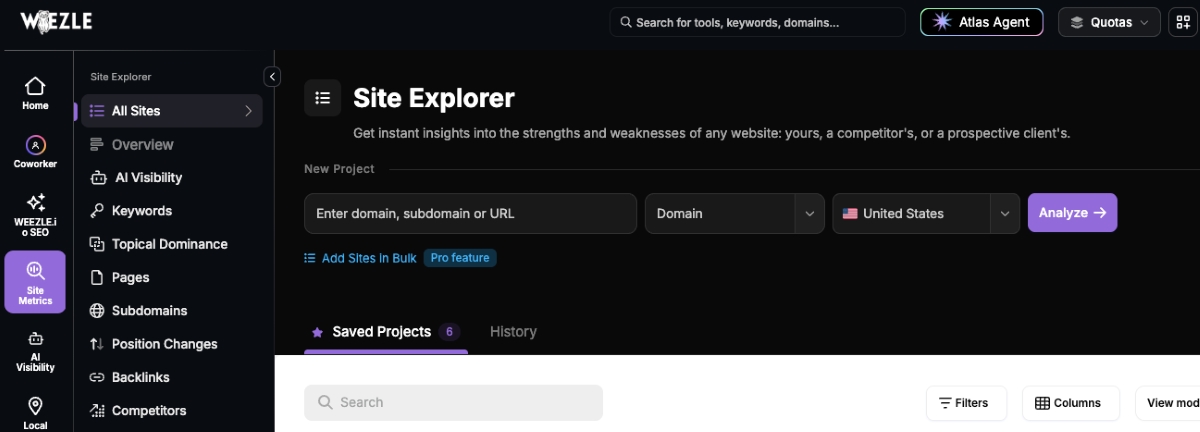
Weezle Marketing uses in-house agentic tools to carry the research load behind answer engine optimization. The tools gather the questions customers actually ask inside a client’s market, then check how AI search engines currently answer them.
Gaps show up quickly. When an AI tool answers a question poorly, or cites a thin source, the client has an opening. Pray’s team writes content for that specific question, publishes it on the client’s own domain, and monitors whether AI systems begin referencing it.
Automation handles volume, not judgment. Pray still reviews what the tools surface, because a question that looks valuable in a report sometimes carries no commercial weight at all.
What Google Says About Optimizing for AI Answers
Google has published direct guidance here. Its Search Central documentation on generative AI features tells site owners that SEO fundamentals continue to apply and that no special technical work is needed to appear in AI Overviews or AI Mode. The same guidance names tactics owners can skip, including llms.txt files and AI-specific content rewriting.
Pray agrees with that framing. He tells clients that answer engine optimization is not a separate discipline bolted onto SEO. Clean site structure, fast load times, visible authorship, and content with real depth still carry the weight. What changes is how a page organizes its answer.
Structuring Pages So AI Tools Can Read Them
Pray focuses on structure before volume. A page that resolves one question well gives an AI system something clean to pull from. Cover six loosely related topics in the same place, and it has nothing specific to grab. He advises clients to separate broad service pages from question pages, then link the two so a reader who arrives at an answer can find the service behind it.
Headings carry real weight in that setup. Pray writes subheadings as the questions customers actually use, not as marketing phrases, because a heading’s wording signals what the section resolves. Short paragraphs help as well. A dense block of text forces a summarizer to guess at the main point.
Schema markup plays a narrower role than its reputation suggests. Google states that AI-specific schema is unnecessary, and Pray follows that position. His team still applies standard structured data for articles, products, and local business details, because those types have served regular search results for years.
Practical Habits for Answer-Driven Search
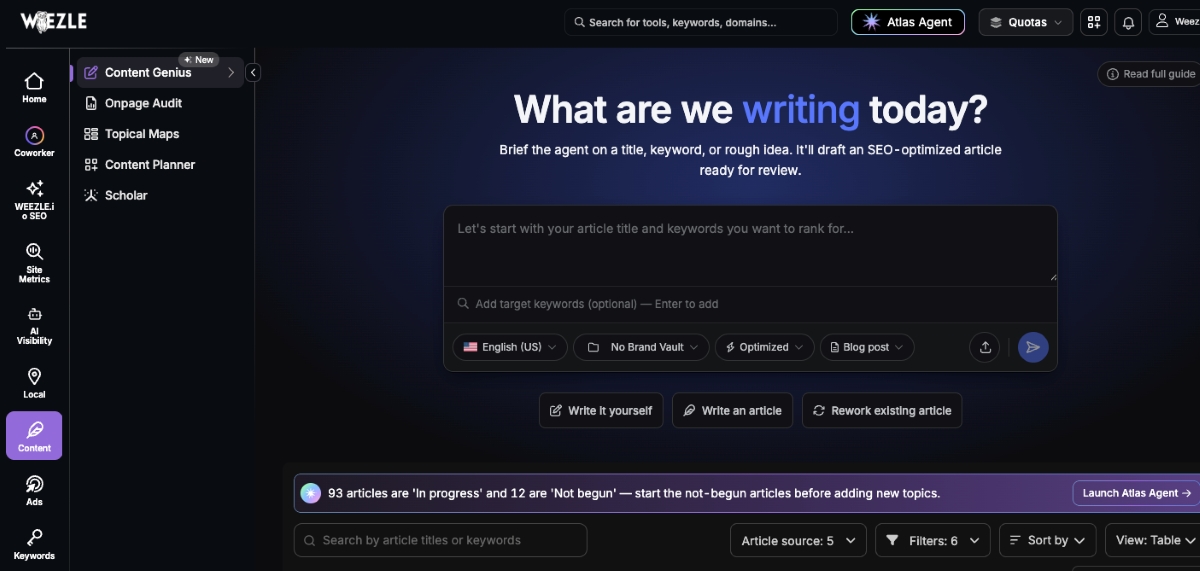
A short set of habits anchors his advice for answer-engine optimization. Lead with the direct answer, then explain it. Give each page one clear question to resolve. Keep authorship, location, and business details visible so AI systems can identify who is speaking.
Updating older pages usually beats publishing thin new ones. Measurement shifts too. Pray tracks time on page and lead quality alongside click volume. A visitor arriving from an AI summary usually arrives with context already in hand, and Google has reported the same pattern in its own documentation.
Answer engine optimization keeps moving as the AI systems behind it change. Pray expects more revisions ahead, which is why his approach stays built on fundamentals rather than tactics tied to one platform’s current behavior. Businesses can review the Weezle Marketing service pages for details on how the agency handles answer engine optimization, and Pray takes consultation requests through an online consultation scheduler.