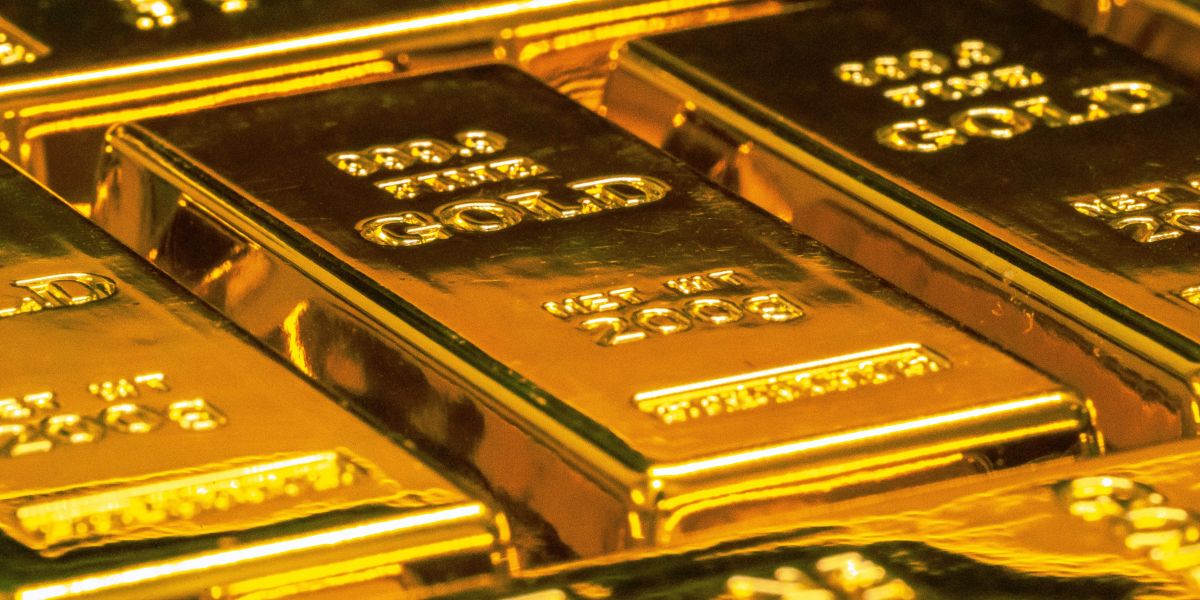


Gold prices have surged past the $4,000-per-ounce mark for the first time in history, prompting many New Yorkers to reassess their old jewelry, inherited coins, and bullion tucked away in safes or drawers. The current market—shaped by global economic uncertainty and significant institutional buying—has increased public interest in understanding how precious metals are valued and sold. For many people, this moment has become a reason to learn what their gold or silver items might be worth, even if they are not actively planning to sell.
While analysts note strong market fundamentals, experts consistently emphasize that price movements are never guaranteed. Instead of focusing on predictions, financial professionals encourage individuals to understand the selling process, the factors influencing gold prices, and the steps that lead to a fair and transparent transaction. Within New York City’s active precious metals market, many experienced buyers, such as NYC Coin Buyers, regularly help residents understand how valuations work and what factors determine current pricing.
Why Gold Prices Have Climbed to Record Highs
Gold’s rise to historic levels is the result of several overlapping global trends rather than any single event. One of the most significant drivers has been aggressive central bank gold accumulation. According to multiple industry reports, central banks worldwide have significantly increased their gold purchases in recent years, surpassing levels seen in many earlier periods. A range of countries, including Poland, Kazakhstan, and China, have added to their reserves, underscoring the metal’s perceived stability in uncertain economic times.
Global demand has also remained robust. In 2024, gold transactions reached nearly 5,000 tonnes, reflecting investors’ search for protection against inflation, geopolitical tensions, and fluctuating interest rates. Historically, gold often strengthens during periods when rate cuts are anticipated, as lower rates reduce the appeal of interest-bearing assets compared to commodities like gold. While past trends cannot determine future outcomes, they provide context for understanding why prices have remained elevated for an extended period.
Commodity markets, inflation expectations, and currency fluctuations all play roles as well. A weaker U.S. dollar generally supports higher gold prices because it makes the metal less expensive for international buyers. Combined with global uncertainty, these factors have created a price environment that feels unusual even to seasoned market observers.
Understanding the Type of Precious Metals You Have
For New Yorkers considering selling, the first step is understanding the nature of their items. Precious metals fall into several categories, and each is valued differently depending on purity, weight, craftsmanship, condition, or historical significance.
Gold Jewelry
Gold jewelry is assessed by purity—measured in karats—and by the piece’s overall craftsmanship or design. Popular purities include:
- 18K (75% gold)
- 14K (58.3% gold)
- 10K (41.7% gold), the minimum legal standard in the United States
Most jewelry carries a small stamp showing its purity, such as 10K, 14K, 18K, 585, 750, or similar markings. Vintage or designer jewelry, especially from well-known brands, may carry additional value beyond its metal weight due to its desirability among collectors and estate buyers.
Gold and Silver Coins
Coins typically fall into one of two categories:
- Bullion coins, such as American Gold Eagles or Canadian Maple Leafs, are valued mainly for their gold or silver content.
- Numismatic coins, derive value from rarity, condition, age, and collectability.
Pre-1933 U.S. gold coins, Morgan dollars, and specific commemorative issues often fall into the numismatic category. Because condition matters significantly for collectible coins, handling should be minimal and careful.
Bullion Bars
Bullion bars are valued based on purity and weight. Bars produced by well-known mints, such as PAMP Suisse, Credit Suisse, and significant national mints, are widely recognized in the industry, making verification and pricing easier. Bars from lesser-known refineries may require more thorough testing, which can influence how buyers calculate their offers.
How a Professional Appraisal Works
A professional appraisal provides clarity on what your items may be worth in the current market. Appraisers use standardized tools and techniques to determine weight, purity, and—in the case of coins—potential collectible value. Standard testing methods include XRF analysis, electronic testing, and non-destructive inspection tools that do not damage the item.
Appraisers also reference the live spot price of gold or silver, which fluctuates throughout the trading day. A buyer’s offer is typically based on a percentage of this spot price, adjusted for purity, weight, and market conditions. Because offers vary across buyers, many people choose to obtain multiple quotes to understand a fair range for their items.
Numismatic pieces, vintage jewelry, and rare bullion often require specialized assessment. In many cases, owners are unaware that a particular coin or piece has collectible value beyond its melt weight, making it worthwhile to consult an expert familiar with historical items.
Tax Considerations for Precious Metal Sellers
Selling precious metals may involve tax implications, depending on your situation. The IRS classifies gold, silver, and other precious metals as collectibles, which affects how gains from their sale are taxed.
- Inherited items receive a stepped-up cost basis, meaning taxes apply only to gains above the market value at the time of inheritance.
- Long-term capital gains on collectibles can be taxed at rates up to 28%, depending on your income.
- Short-term gains, from items held for less than a year, are taxed as ordinary income.
- State taxes may apply depending on your jurisdiction.
Keeping accurate documentation, purchase receipts, estate valuations, or appraisal certificates, helps ensure smooth tax reporting. Individuals with complex or large transactions often consult tax professionals for personalized advice.
Where New Yorkers Commonly Sell Precious Metals
The city offers a wide range of selling options, each with strengths depending on the type of item and the seller’s priorities.
- Precious metal buyers provide transparent testing, competitive pricing, and industry-standard evaluations.
- Coin specialists are best suited for rare or numismatic items requiring historical expertise.
- Jewelry stores sometimes pay premiums for branded or antique pieces.
- Pawn shops offer quick cash but usually lower payouts.
- Online platforms can be convenient but require secure, insured shipping and thorough research.
- Auction houses are ideal for rare or high-value collectibles that may benefit from competitive bidding.
Sellers typically weigh convenience, transparency, and potential payout when selecting a venue.
Staying Safe and Informed During the Selling Process
A responsible and informed approach leads to the best experience. Experts recommend:
- Checking live spot prices beforehand to understand general value ranges.
- Asking the buyer to explain how purity testing will be performed.
- Requesting an itemized breakdown that shows weight, purity, and pricing formula.
- Avoid high-pressure environments that discourage comparison shopping.
- Confirming the buyer’s licensing, business history, and customer reviews.
These steps help ensure transparency and fairness while reducing the likelihood of misunderstandings.
Current Market Perspectives and What Analysts Are Watching
Market analysts are closely watching several factors that could influence gold prices in the coming months. Central bank policies, inflation levels, and geopolitical events remain major variables. Some institutions believe demand from financial markets and global investors may continue to support prices. In contrast, others note potential headwinds, such as a stronger U.S. dollar or shifts in consumer demand for jewelry.
ETF inflows, currency movements, and interest-rate decisions are also part of ongoing discussions among analysts. Rather than viewing these observations as predictions, experts encourage individuals to see them as context for understanding the broader environment in which gold is traded.
Final Thoughts
Ultimately, deciding whether to sell gold or silver is a personal choice shaped by financial needs, long-term goals, and attachment to the items. Some individuals sell pieces they no longer use or value, while others hold precious metals as part of a broader financial strategy. Regardless of the decision, understanding your items, getting professional appraisals, and learning how the selling process works ensures a more confident and informed experience.
With gold reaching unprecedented highs, many New Yorkers are taking the time to evaluate what they own. A careful, well-researched approach, combined with guidance from knowledgeable professionals, can help anyone navigate today’s precious metals market with clarity and confidence.
Disclaimer: This content is for informational purposes only and is not intended as financial advice, nor does it replace professional financial advice, investment advice, or any other type of advice. You should seek the advice of a qualified financial advisor or other professional before making any financial decisions.