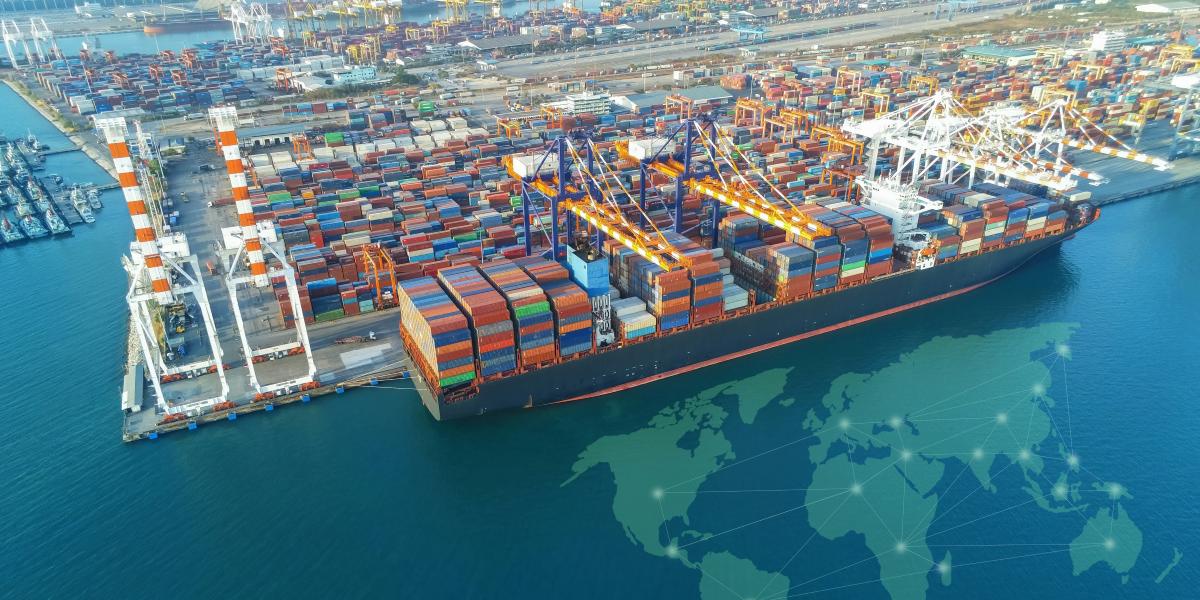


When the world’s supply chains faltered during the pandemic, the vulnerability of America’s ports became impossible to ignore. Ships idled offshore, containers piled up, and delivery timelines stretched from days to weeks. In response, U.S. coastal cities are rethinking the entire logistics model, trading centralized, congested port networks for distributed local hubs and smarter inland connections.
As this evolution unfolds, many businesses that once depended exclusively on traditional long-haul networks now collaborate with specialized b2b order fulfillment partners to bridge the gap between ports, warehouses, and final destinations. But the real transformation lies not just in outsourcing logistics, it’s in how America’s trade gateways are being re-engineered from the ground up.
The End of the One-Port Model
For decades, the U.S. relied heavily on a few mega-ports, Los Angeles, Long Beach, New York/New Jersey, and Savannah, to handle the lion’s share of maritime imports. That concentration drove efficiency in good times but exposed fragility when global trade volumes spiked.
In 2021, more than 100 container ships were queued off Southern California’s coast, waiting weeks for berths that previously turned over in days. The bottlenecks rippled across industries, from electronics and apparel to pharmaceuticals and food. What began as a logistical delay quickly evolved into a national economic choke point.
The response from policymakers and private industry has been clear: diversification. Ports from Houston and Mobile to Charleston and Tacoma are expanding capacity, adding cranes, deepening channels, and investing in digital tracking infrastructure. But physical expansion alone won’t solve the problem. The new strategy focuses on decentralization, pushing storage, fulfillment, and even customs functions closer to end markets through regional hubs.
Local Hubs: A New Supply Chain Geometry
The new trade flow doesn’t end at the dock. Coastal cities are now developing distributed logistics ecosystems that blend ports, rail terminals, and smaller regional fulfillment centers. Instead of relying on massive container yards near the coast, goods are quickly offloaded and routed to nearby urban or suburban nodes for sorting and last-mile delivery.
These “local hubs” serve as shock absorbers in the global supply chain. By spreading inventory across multiple points rather than concentrating it at a single facility, companies gain flexibility and reduce their exposure to disruption. If a storm closes the Port of Los Angeles, for instance, inventory staged in Phoenix or Dallas can still move to market seamlessly.
This shift also accelerates delivery. With stock positioned closer to end consumers, transit times fall dramatically, aligning with modern buyer expectations for two-day or even same-day fulfillment. It’s a system that merges the scale of global trade with the agility of e-commerce logistics.
Technology: The Connective Tissue of Modern Trade
Infrastructure alone can’t coordinate these intricate flows, technology does. Artificial intelligence, predictive analytics, and cloud-based tracking platforms allow shippers and logistics providers to visualize cargo from ship to shelf in real time.
According to the U.S. Department of Transportation’s Bureau of Transportation Statistics, over 70% of logistics firms surveyed in 2024 plan to expand their use of digital twin models and sensor data to manage port congestion and optimize inland routing. These tools are no longer experimental; they’re becoming foundational to how trade moves.
Data sharing between port authorities, rail carriers, and private fulfillment centers creates a level of transparency that simply didn’t exist five years ago. Companies can now anticipate delays before they happen, reroute shipments dynamically, and balance loads across multiple facilities, all from a single dashboard.
In this environment, b2b order fulfillment providers play a pivotal role, bridging physical operations with digital intelligence. Their systems integrate with manufacturers, retailers, and carriers to ensure that global goods can transition smoothly through domestic networks without costly handoffs or communication gaps.
The Urban Renaissance of Logistics
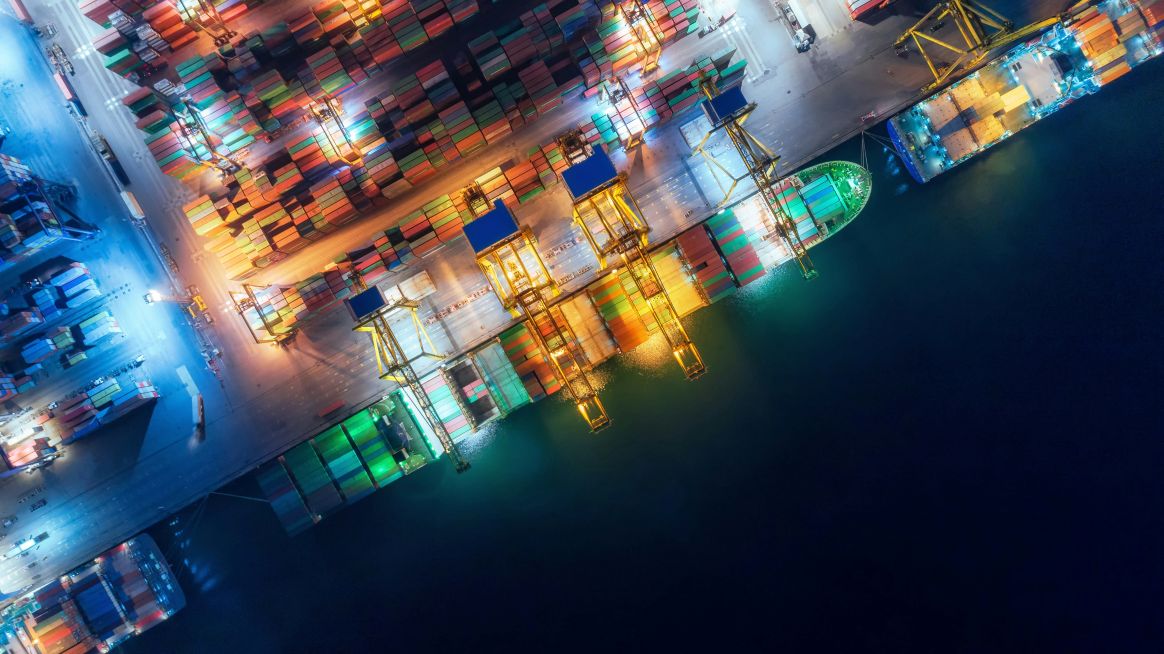
Photo: Unsplash.com
Interestingly, this transformation is reshaping not just trade routes but also the physical and economic landscape of U.S. coastal cities. Once-vacant industrial zones near ports are being reborn as high-tech logistics parks, complete with robotics, automation, and energy-efficient design.
In New Jersey’s Meadowlands and Oakland’s Harbor Bay, for example, new facilities are combining sustainable architecture with digital control towers that monitor inventory, worker safety, and emissions in real time. These projects bring jobs, investment, and innovation to regions that once saw logistics as little more than container yards.
The move toward localized logistics ecosystems also aligns with urban sustainability goals. Smaller, distributed fulfillment hubs shorten delivery routes, reduce congestion, and cut carbon emissions. For cities facing pressure to balance growth with environmental responsibility, this model offers a tangible path toward cleaner, smarter commerce.
Policy, Partnerships, and the Path Forward
For these systems to work long term, coordination between government and industry is critical. Port authorities must collaborate with city planners, rail networks, and private 3PL or fulfillment firms to create fluid interfaces between maritime, rail, and road transport.
Several states are leading by example. Florida’s Ports Council, for instance, has launched regional integration programs linking ports with intermodal hubs and warehouse zones inland. The results are striking, faster throughput, reduced truck idling, and better balance between import and export capacity.
Meanwhile, in California and New York, public-private partnerships are investing in digital infrastructure: data platforms that unify logistics stakeholders under shared visibility frameworks. The federal government’s Mega Grant Program under the 2022 Infrastructure Investment and Jobs Act provides additional funding to ports pursuing green energy, automation, and regional hub connectivity.
A Future of Distributed Efficiency
The U.S. supply chain is entering a new era, one where flexibility and foresight matter more than brute capacity. The days of relying on a single coastal megahub to feed an entire region are fading fast. In their place emerges a web of interconnected hubs, intelligent data systems, and collaborative fulfillment networks that collectively redefine resilience.
By decentralizing trade flows and modernizing logistics infrastructure, coastal cities are not just solving for congestion; they’re building the foundation for the next generation of commerce, faster, smarter, and locally empowered.