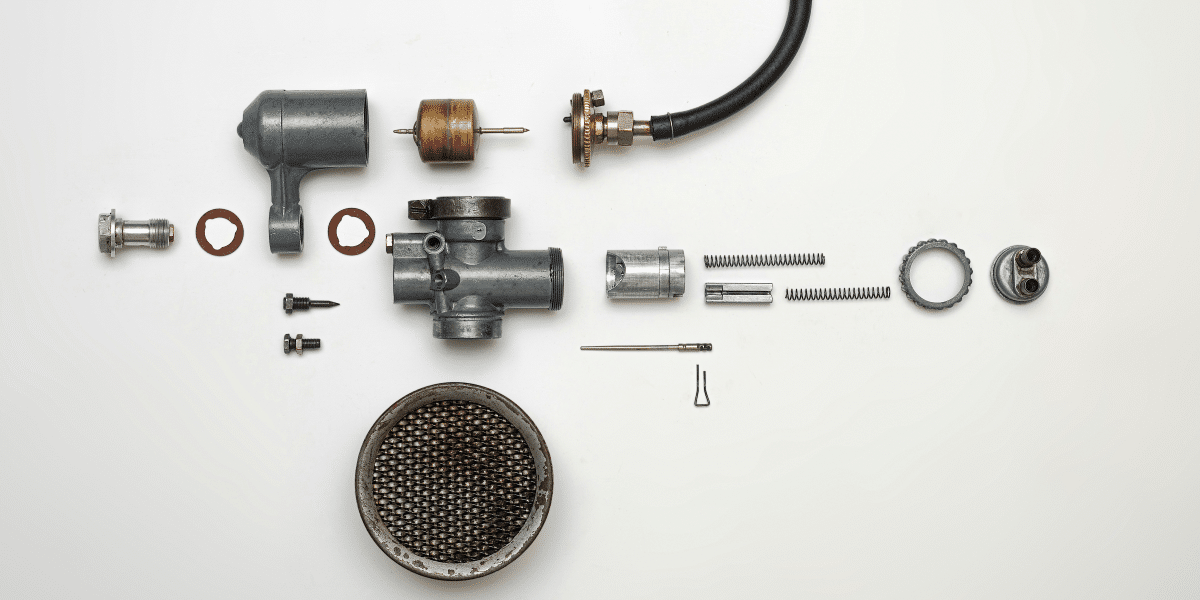


When it comes to protecting and supporting components in pumps, gearboxes, transmissions, and other systems, die-casting housing products are an effective solution. Regarding die-cast housings, aluminum is frequently the material of choice for both aluminum die-casting manufacturers and customers due to its longevity, resistance to corrosion, and strength.
Do you ever find yourself wondering how the manufacturer manages to come up with the ideal housing for aluminum die-casting devices? We are glad to walk you through the process despite the fact that we are experts in sand casting as well as other types of aluminum casting. We hope that this summary sheds some light on the reasons why our aluminum die-casting housing products are sought-after.
The Design: Setting the Stage for Quality Products
Producing a high-quality aluminum die-casting housing is heavily influenced by how this initial stage of production is managed. The engineers analyze numerous criteria to guarantee that the finished housing meets a variety of purposes, with a focus on functionality.
The product’s size and weight is one of the essential factors in our aluminum die-casting housing design. Optimizing the dimensions and details to make sure that the parameters remain within the specified range.
In terms of parameters, it is critical to follow aluminum casting premier practices for wall thickness and part geometry. For example, the wall thickness and housing strength are often separated by a thin line. You want to achieve a balance between such aspects during the design stage.
Undercuts, draft angles, and surface polish are also essential considerations when building an aluminum die-casting housing.
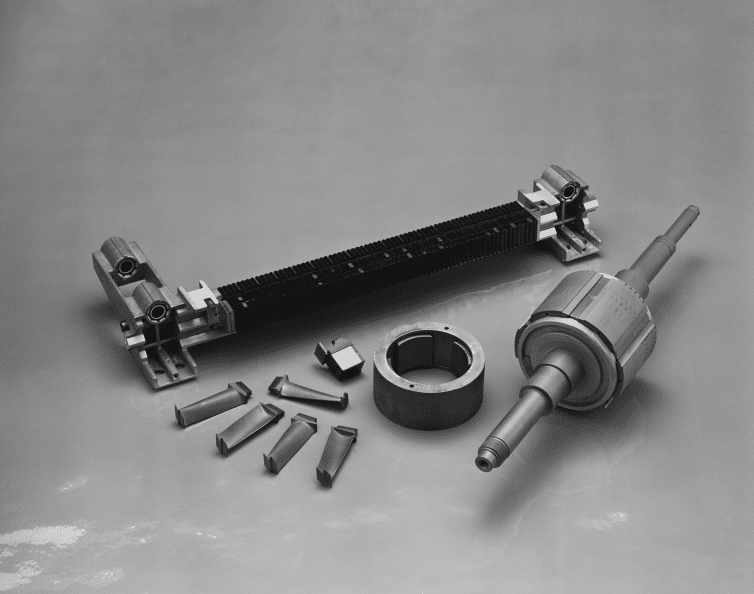
Photo: Unsplash.com
Selection of the Aluminum Alloy
The list of aluminum alloys used in casting housing can be perplexing. Many of the options offer positive characteristics that might readily influence one’s decision. However, only after thorough consideration of the contents and capabilities, you can select the optimum alloy for cast housing.
According to our expertise, one of the dependable aluminum alloys for casting housing is alloy A356. Manufacturers are impressed by the metal’s machinability and casting capacity. This material is especially well-suited for housing applications that demand high strength. As a result, A356 Casting housing is widely used in industries requiring high-performance equipment.
A380 aluminum alloy has the same properties but has better thermal conductivity. This alloy’s aluminum die-casting housing holds up well under high temperatures. This flexible material is commonly used in vehicle housing applications.
Other aluminum alloys that manufacturers will explore for casting housing include A360 and A383.
The Pattern, Mold, and Die Casting Process
With the alloy material ready, the manufacturing process moves on to the pattern and mold development stage, followed by casting. Patterns are created by skilled professionals who subsequently build mold cavities. Molten metal will fill these voids, forming the necessary aluminum die-casting housing.
It is crucial to note here that there are numerous processes or styles of casting aluminum. If you want to manufacture a large number of housings quickly (high-volume production), you should employ aluminum die casting. Here, you pressurize molten aluminum into the mold, let it harden, and then open the die to release the cast product.
Sand casting is a casting technique that employs sand to form the mold. Pour molten metal into the sand mold and let it set. Following that, you will break the sand and remove the product.
The third process, investment casting (lost wax casting), involves making a pattern with a thermoplastic or wax. This pattern contributes to the creation of a mold. When the wax melts, it leaves a hollow space in its shape, creating the desired product.
Making die-casting housing is not easy, and the initial die-casting mold cost is very high today. Most companies are looking for China die casting companies to save their die and casting costs; die-casting China companies can make die-casting tooling lower than other countries, with high quality, fast lead time, and low cost. When you have a casting housing project, China may be one of your options.
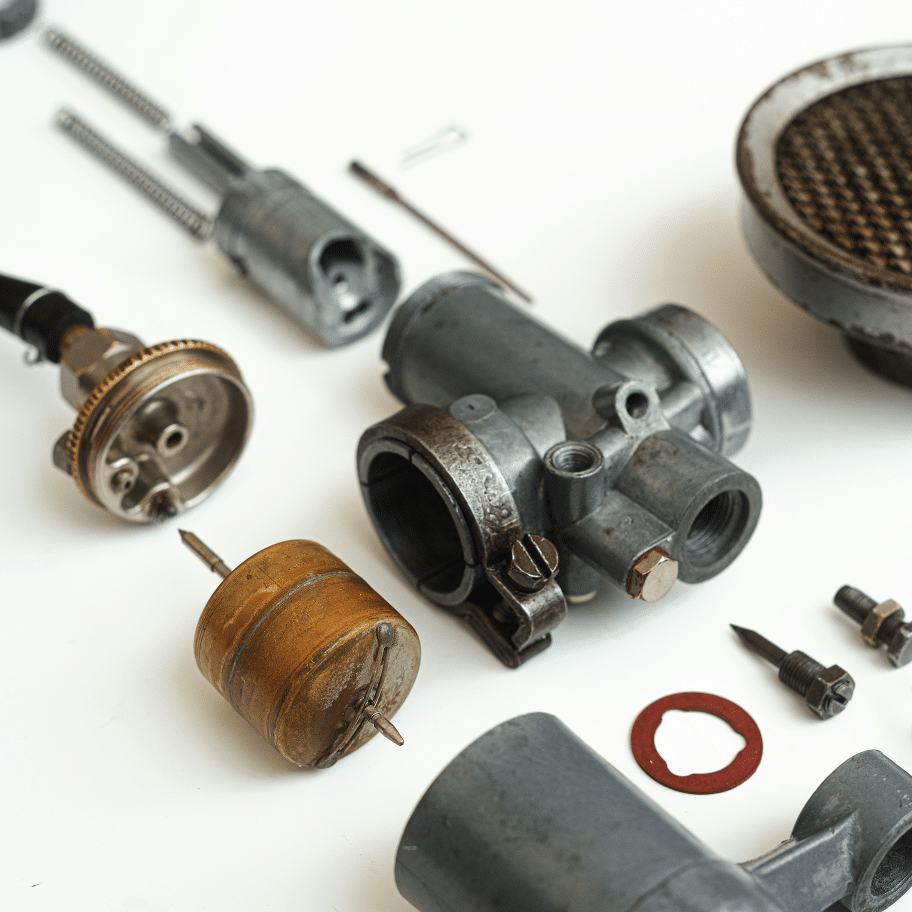
Photo: Unsplash.com
The Essence of Quality Control
It is possible to ensure that the aluminum die-casting housing satisfies the specifications through the utilization of quality control. The objective is to reduce the amount of material waste and mistakes in the product. Proper maintenance is of the utmost importance for the permanent molds.
It is essential to keep a close eye on the progress being made throughout the casting process when it is being carried out. It is possible to address any deviations or concerns that may arise swiftly. For the purpose of determining the mechanical, chemical, and physical qualities of the casting material, it may be necessary to conduct tests both before and after the process.
Finalizing Activities for Cast Housing
Once the casting process is complete, the aluminum die-casting housing requires a few finishing touches before it is ready for use. Engineers will make modifications to the item’s functioning and attractiveness.
Heat treatment is commonly used to improve the housing’s strength and hardness, both of which are important product attributes. In addition, the Casting housing will undergo precise machining and surface treatments to ensure it meets the standards.
That is it! This is how manufacturers produce high-quality aluminum die-casting housing. If you want to understand more about our casting capabilities, please contact us.
GC Precision Mould is one of the die-casting China companies in China that offers high-pressure die casting, zinc die casting, magnesium die casting, 6063 die casting, plastic injection mold, CNC machining, and product assembly. If you’re looking to reduce costs while enjoying fast lead times and high-quality products, feel free to reach out. They will provide a quote within 24 hours.
Published by Iris S.