

In the complex world of industrial manufacturing, safety isn’t just a priority—it’s a fundamental necessity. It safeguards lives, maintains equipment integrity, and supports operational continuity. This comprehensive guide explores the critical aspects of industrial equipment design, safety protocols, and the intricate processes that keep industrial environments secure and productive.
The Critical Role of Equipment Design in Industrial Safety
Industrial environments are inherently challenging landscapes where precision, durability, and safety converge. Every piece of equipment represents a crucial link in maintaining workplace safety and operational efficiency. For specialized equipment like pressure vessels, manufacturers play a critical role in developing robust solutions that meet the most stringent safety requirements.
Understanding the Foundations of Industrial Equipment Design
Equipment design is a multifaceted discipline that goes far beyond aesthetic considerations. When creating industrial equipment, engineers must consider multiple complex factors:
- Comprehensive Risk Assessment: Identifying potential hazards before they become critical issues
- Material Selection: Choosing materials that can withstand extreme industrial conditions
- Structural Integrity: Ensuring equipment can handle anticipated mechanical and environmental stresses
- Ergonomic Considerations: Designing equipment that minimizes human error and physical strain
Exploring the Pressure Vessel Design Process
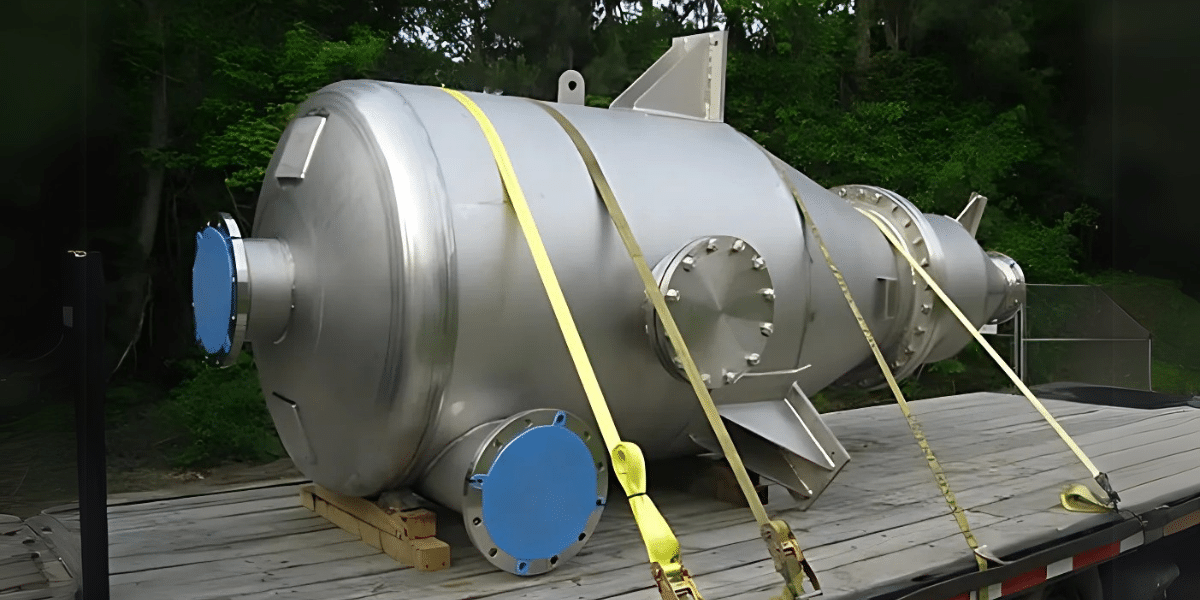
Pressure vessels represent a prime example of how meticulous design can help prevent catastrophic failures. When designing these specialized containers, engineers must follow a rigorous pressure vessel design process that enhances safety and operational reliability.
Key Considerations in Pressure Vessel Manufacturing
Critical elements of pressure vessel design include:
- Precise thickness calculations
- Advanced welding techniques
- Rigorous material testing
- Comprehensive stress analysis
- Compliance with international safety standards
Safety Compliance in Industrial Settings
Safety compliance isn’t merely a regulatory requirement—it’s a comprehensive approach to safeguarding human capital and organizational assets. Modern industrial environments demand a holistic strategy that integrates technological innovation with robust safety protocols.
Understanding Industrial Safety Challenges
Industrial settings present unique safety challenges that require specialized approaches. The importance of leveraging AI and smart technologies to enhance industrial safety compliance cannot be overstated, as it directly impacts worker protection and operational efficiency.
Technological Innovations in Equipment Design
The manufacturing landscape continues to evolve, with cutting-edge technologies transforming how we approach industrial equipment design. Companies like pressure vessel manufacturers are at the forefront of implementing advanced safety technologies and design methodologies.
Emerging Safety Technologies
Technological innovations driving safety standards include:
- Advanced sensor systems
- Real-time monitoring technologies
- Predictive maintenance algorithms
- Artificial intelligence-driven risk assessment tools
Risk Mitigation Strategies
Effective risk mitigation requires a proactive, multi-layered approach that anticipates potential failures before they occur. This comprehensive strategy involves:
Comprehensive Design Analysis
- Finite element analysis
- Computational fluid dynamics modeling
- Stress and strain simulations
Continuous Performance Monitoring
- Implementing IoT-enabled tracking systems
- Developing predictive maintenance protocols
- Creating data-driven maintenance schedules
The Human Factor in Industrial Safety
While technological solutions are crucial, human factors remain paramount in maintaining a safe industrial environment. Training, awareness, and a culture of safety are essential components of comprehensive risk management.
A Continuous Journey of Improvement
Industrial safety is not a destination but an ongoing journey of learning, adaptation, and continuous improvement. By embracing technological innovations, fostering a culture of safety, and maintaining rigorous design standards, organizations can help create environments that protect one of their most valuable assets—human potential.
Published by Emma N.