

The quintessential New York dream has always been defined by verticality: soaring skyscrapers, penthouse views, and the endless climb to the top. Yet, as modern luxury evolves past purely aesthetic finishes and moves toward holistic well-being and longevity, the way we interact with the verticality of our own homes is changing. For homeowners in Brooklyn’s sprawling brownstones, Manhattan’s classic townhouses, and even high-end condo buildings, accessibility is rapidly becoming the ultimate measure of modern, forward-thinking design.
No longer a niche product reserved solely for mobility-impaired residents, the residential elevator has emerged as a crucial component of high-end home planning. It’s a statement of sophistication, convenience, and generational foresight, perfectly aligning with the broader trend of ‘AgeTech‘—technology designed to facilitate aging in place. This shift reflects a maturing demographic and a city that values staying in one’s familiar, highly-coveted home for life.
The New Architecture of Autonomy
New York’s historic housing stock, particularly the multi-story brownstones and carriage houses, presents unique challenges that modern architecture must address. While sweeping staircases offer drama, they also represent a barrier to long-term independence. For a market segment where multi-million-dollar renovations are common, ensuring that a property can serve the family across decades, regardless of age or physical ability, is a non-negotiable value proposition.
This is where contemporary residential lift systems offer an elegant solution. Unlike the bulky, often obtrusive elevators of the past, today’s models are designed to integrate seamlessly into existing structures with minimal construction. Options like through-floor models are whisper-quiet, compact, and can be installed with a remarkably small footprint, making them ideal for the spatial constraints of a classic New York residence. They are seen less as a medical device and more as an amenity on par with smart lighting or integrated climate control, instantly future-proofing a property.
The convenience factor cannot be overstated, either. Moving luggage, groceries, or furniture between four or five floors ceases to be a strenuous chore and becomes a simple touch of a button. This ease of movement is what distinguishes true, effortless luxury living. When a home is truly multi-generational, a Stiltz residential elevator becomes the functional cornerstone of its design, ensuring every floor is equally accessible to every member of the family, from toddlers to grandparents.
Integrating ‘AgeTech’ into NYC Living
The demand for residential elevators is part of a larger, global wave: the mainstream adoption of technology to support aging in place. Referred to as ‘AgeTech,’ this category includes everything from remote patient monitoring and smart medication dispensers to sophisticated home modifications that preserve physical autonomy.
In the high-stakes NYC real estate market, incorporating such technologies is not just compassionate; it’s a financial necessity. A property that is ready for life’s unpredictable changes holds superior value. As detailed in the latest reports on Top NYC Renovation Trends, homeowners are increasingly investing in features like automated lighting, hands-free faucets, and level-entry showers, prioritizing seamless functionality alongside beautiful design. These improvements appeal to the discerning buyer who understands that quality of life is the best long-term investment.
The AARP, a leading voice in independent living, has published extensive research underscoring the benefits and growing comfort older adults have with AgeTech solutions, noting that such technologies are key to promoting independence and combating social isolation. This acceptance signals that design that supports independence is moving from a niche market into a standard feature of modern luxury.
The Designer’s Perspective: Beauty Meets Function
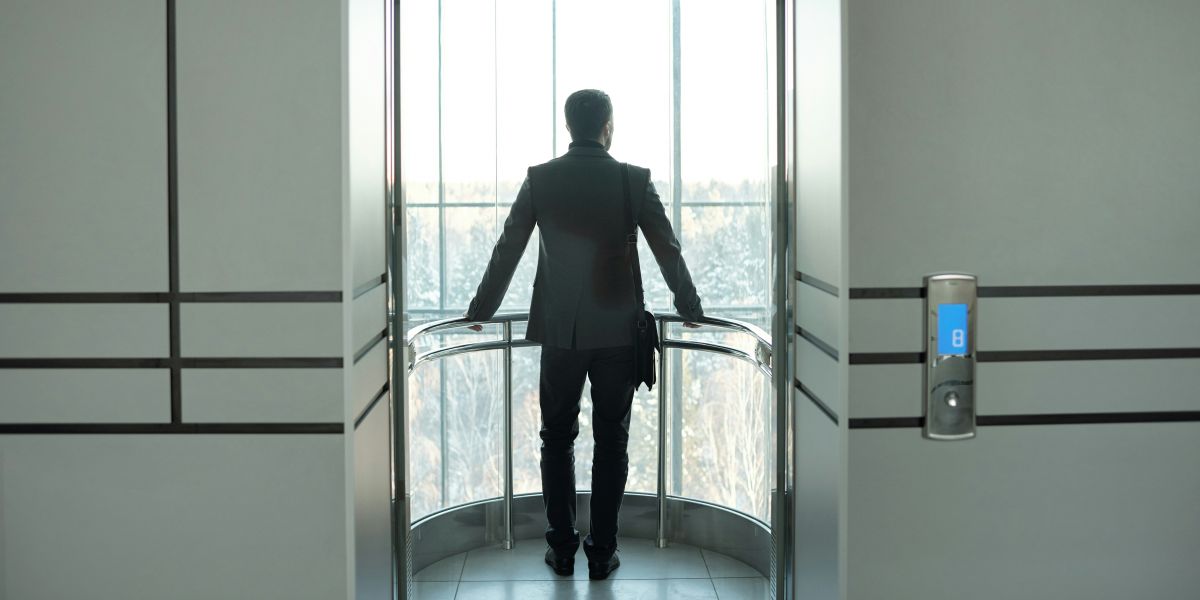
New York’s top architects and interior designers are embracing this movement by making accessibility invisible. The goal is to design spaces that feel intuitively easy to use, not explicitly modified. For instance, a residential lift might feature custom wood paneling to match the library or be enclosed in glass to add a futuristic visual accent, rather than being hidden away in a corner.
This thoughtful approach to design ensures the home’s aesthetic integrity is not only preserved but enhanced. It challenges designers to think beyond temporary trends and create timeless environments that adapt to the user over time. Ultimately, the integration of features like residential lifts and smart automation ensures that New Yorkers, known for their resilience and deep attachment to their neighborhoods, can continue to enjoy the unparalleled benefits of city living without sacrificing comfort, safety, or independence.
In a city where space is the highest luxury, maximizing the usable square footage across all floors and maintaining autonomy are two sides of the same coveted coin. For the modern New York homeowner, an accessible house is no longer just a house; it’s a fully optimized sanctuary built for life.