

It is more important than ever to find practical and scalable carbon capture solutions as the world struggles to contain the worsening climate crisis. Industries worldwide face mounting pressure to reduce their carbon footprints, yet many existing technologies either need to improve efficiency or prove prohibitively expensive. Coupled with the escalating plastic waste crisis, these challenges demand innovative approaches that simultaneously tackle multiple environmental problems.
Moreover, plastic waste and carbon emissions are two of the most daunting environmental challenges of our time. According to the Ocean Conservancy, a significant amount of plastic enters the oceans annually, impacting marine ecosystems through pollution. Concurrently, global CO2 emissions are increasing, contributing to the greenhouse effect and influencing climate change. Traditional approaches such as recycling and carbon capture have encountered limitations, making it significantly challenging to address these environmental issues.
Furthermore, once hailed as a revolutionary material, plastic has become a symbol of environmental degradation. Industries grapple with implementing effective carbon capture solutions that can meet global demands. The merging of these two crises highlights the need for innovative strategies to address both challenges simultaneously.
Introducing Dotz’s Innovative Approach
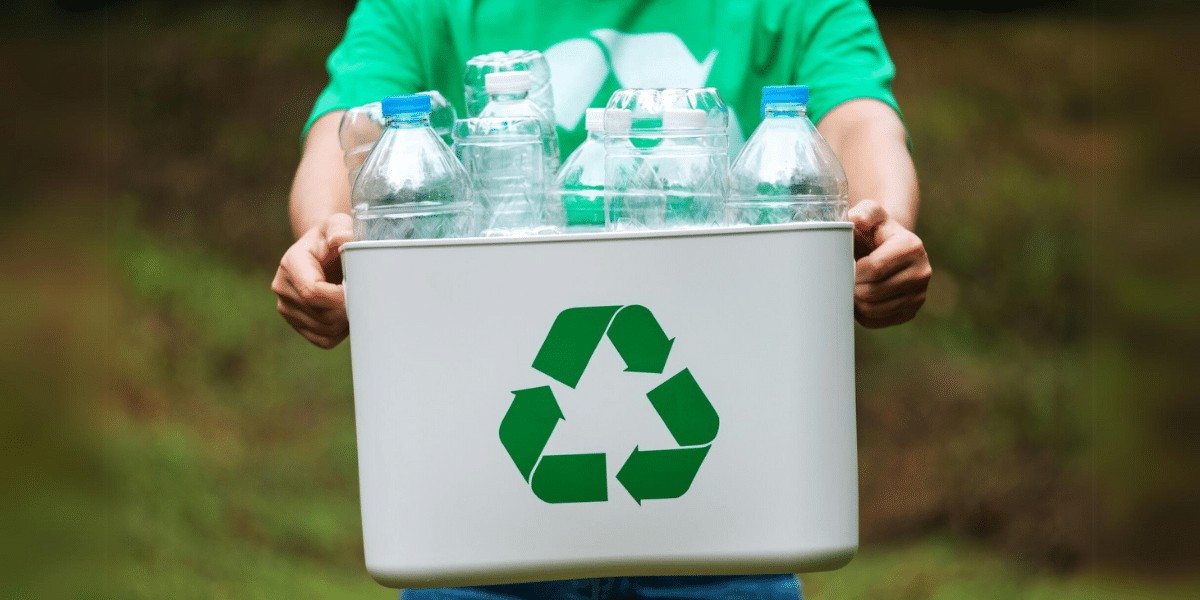
Dotz, a pioneering green technology company, has developed a solution that addresses both plastic waste and carbon emissions. The company has engineered a technology that converts plastic waste into carbon-based sorbents, which are effective in capturing CO2 from industrial emissions. This innovative approach repurposing plastic waste and also enhances the efficiency and scalability of carbon capture technology.
The carbon-based sorbents created by Dotz, derived from recycled plastic, offer a cost-effective and environmentally friendly alternative to traditional carbon capture materials. These sorbents are designed to be highly porous, allowing them to absorb large quantities of CO2, thus reducing the overall carbon footprint of industrial processes. This dual-purpose technology demonstrates a pathway in addressing two critical environmental issues.
A Game-Changer for Deep Decarbonization in Industrial Processes
Dotz’s recent announcement of a 1000x scale-up of its carbon capture technology marks a significant milestone in the field of deep decarbonization in industrial processes. The ability to scale this technology is crucial for its widespread adoption, making it a viable solution for industries looking to comply with stringent environmental regulations and reduce their carbon emissions.
Moreover, Dotz’s technology helps reduce the amount of plastic that ends up in landfill through converting plastic waste into a valuable resource for carbon capture and oceans, and also provides industries with a tool to combat climate change. The scalability and cost-effectiveness of this approach offer a solution for industries under increasing pressure to meet environmental targets.
A Sustainable Future Powered by Innovation
Dotz’s journey from concept to commercialization exemplifies how innovation can drive positive change in the face of environmental adversity. The company’s scalable and sustainable approach to carbon capture positions it as a key player in the global effort to combat climate change. As industries around the world continue to seek out effective solutions for reducing their environmental impact, Dotz’s technology offers a path forward.
Dotz is contributing to a more sustainable future through transforming plastic waste into a tool for climate action . This innovative approach addresses the pressing issue of plastic pollution and also plays a role in reducing carbon emissions, helping to create a cleaner, greener world for future generations.
Dotz is positioned as a tool in addressing climate change. As the company works to further develop its technology and broaden its reach, it highlights the role of technology in tackling environmental challenges.
Published by: Nelly Chavez