

By: Dmytro Petlenko
A manager in the field of wholesale trade with a holistic view of the industry
Abstract: The article explores the psychological aspects of wholesale buyers’ behavior and analyzes methods for identifying their underlying needs in the context of B2B interactions. Theoretical models that describe the decision-making process in organizations, such as the concept of a buying center and the B2B hierarchy of needs, are discussed. The purpose of the work is to organize existing knowledge about the psychological drivers of wholesale purchases and offer practical tools for sales and marketing managers grounded in research. The objectives include analyzing existing theoretical approaches, summarizing practical methods for identifying needs, and demonstrating their applicability with examples. The findings may be used by B2B companies to enhance sales strategies, foster longer-term partnerships with customers, and improve competitiveness by more accurately addressing customer requests.
In today’s competitive B2B environment, a supplier’s success often depends on its ability to understand and address not only the obvious but also the less apparent needs of its customers. The decision-making process for wholesale purchases tends to be more complex than in the B2C segment, as it involves multiple stakeholders, formalized procedures, and evaluation criteria that extend beyond price and product features [1]. Limited consideration of the psychological aspects and motives of decision makers may result in ineffective commercial offers and potentially missed opportunities for building longer-term partnerships. The relevance of this topic stems from the increasing need to move from transactional sales models to consultative ones based on a deeper understanding of the client’s business and strategic objectives. The purpose of this article is to analyze psychological factors that influence the needs and decisions of wholesale buyers and to provide managers with a research-based practical toolkit for identifying and analyzing these factors.
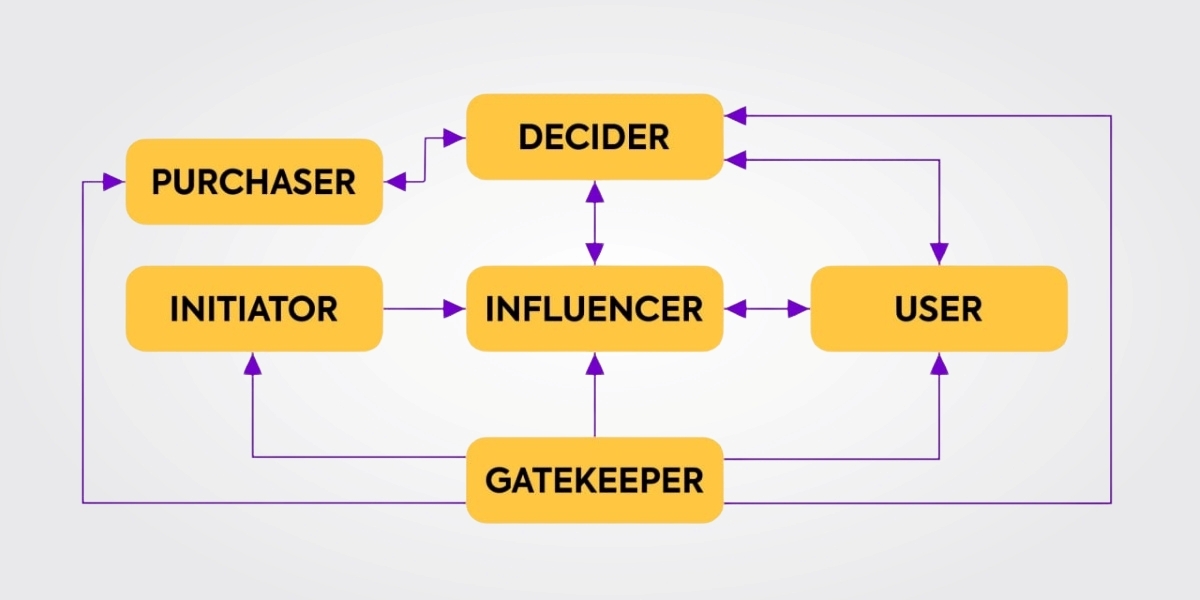
Understanding an organization’s buying behavior requires considering models that incorporate both rational and irrational factors. Although B2B decisions are often perceived as purely rational, research indicates the influence of cognitive biases, emotions, and personal motives of decision makers [4]. The concept of the “buyer center” is fundamental to B2B purchasing analysis. It suggests that decisions are made by a group of people performing different roles: initiators, influencers, decision makers, buyers, users, and gatekeepers [5]. Understanding the composition, dynamics, and motives of each participant in the buyer center is important for effective interaction.
By analogy with Maslow’s hierarchy of needs, one can identify a hierarchy of B2B client needs. At the basic level are operational needs — uninterrupted supply, compliance with standards. Following this are needs related to efficiency and cost reduction. At a higher level, risk minimization — financial, operational, reputational — comes into play. At the strategic level are needs related to business growth, increased competitiveness, innovation, as well as personal professional ambitions of decision makers, such as career advancement or recognition, which can have a subtle but significant influence on supplier choice [2].
Identifying hidden needs typically requires a systematic approach combining communication skills and data analysis. Active listening and asking appropriate questions, such as those suggested in the SPIN (Situation, Problem, Implication, Need-payoff) technique, enable moving beyond product discussion to uncover the client’s underlying problems and tasks [3]. The manager’s objective is not merely to sell a product but to help the client solve a problem, which involves understanding its essence and consequences.
Data analysis plays an equally valuable role. Reviewing a customer’s purchasing history, CRM data, industry reports, and competitor activities can help form hypotheses about needs and reveal non-obvious patterns. For example, analyzing order frequency and volume may suggest challenges with inventory planning, indicating a need for more flexible delivery terms or forecasting support.
Mapping the buyer center — identifying all involved parties, their formal and informal roles, influence levels, evaluation criteria, and possible personal motives — is an important step. This enables tailoring communication and value propositions to the specific concerns of each stakeholder.
The B2B purchasing process generally proceeds through stages: problem recognition, information search, alternatives evaluation, decision making, and post-purchase evaluation. Understanding which stage a client is at allows managers to provide relevant information and support. Early stages focus on problem diagnosis; later stages emphasize justifying specific solutions and minimizing perceived risks [1].
Segmentation of B2B customers should extend beyond industry or company size characteristics. Segmentation based on needs (e.g., innovation-focused customers vs. cost-conscious customers), behavior (e.g., loyal partners vs. transactional buyers), or perceived value has been found to be effective. This supports the development of more targeted engagement strategies.
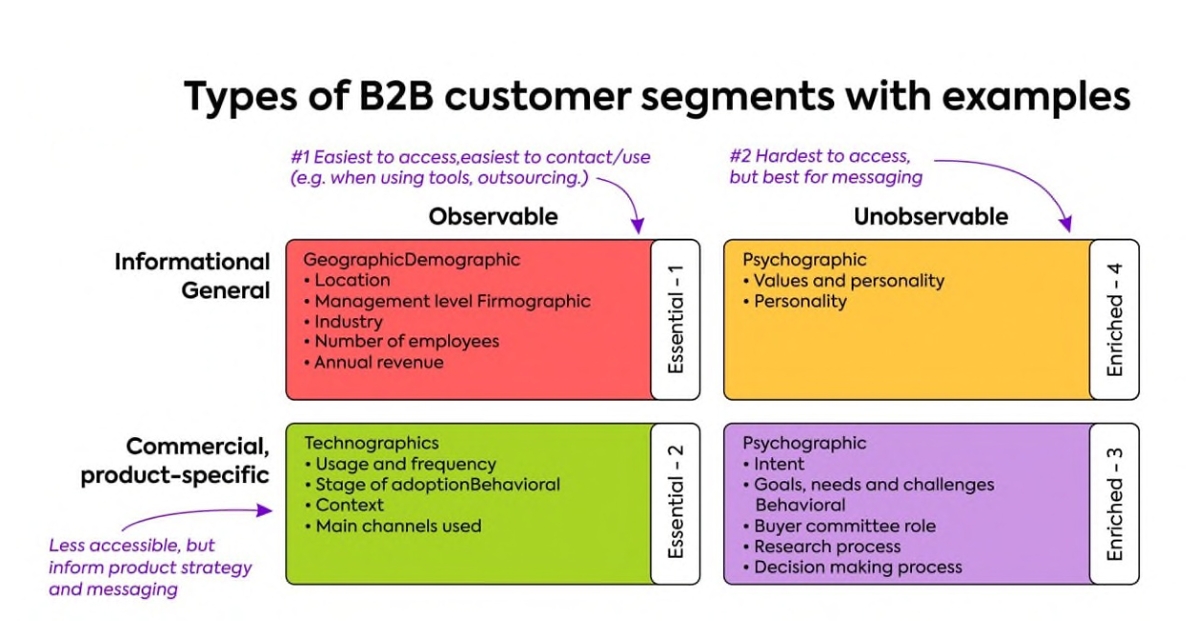
Photo Courtesy: Dmytro
Applying these approaches may help create value propositions that resonate with the client’s deeper needs. For instance, a company facing unreliable supply from its current provider (risk of operational disruptions) might be more responsive to offers emphasizing reliable and timely logistics, even at a slightly higher cost, rather than offers focusing only on the lowest price without clear guarantees.
Integrating psychological knowledge into B2B sales management involves shifting the focus from the product to the client and their business context. This requires sales managers to develop not only product expertise but also empathy, problem diagnosis skills, and an understanding of organizational dynamics. CRM systems should be used not just as databases but as tools for accumulating and analyzing insights about clients, their needs, and the characteristics of decision makers.
Awareness of cognitive biases such as anchoring, loss aversion, and confirmation bias can be useful both for understanding customer responses and for self-reflection during negotiations and relationship building [2]. B2B sales increasingly resemble a process of co-creating value, with the supplier acting as a consultant and partner helping the customer achieve their objectives. This approach can contribute to building long-term loyalty and enhancing Customer Lifetime Value (LTV).
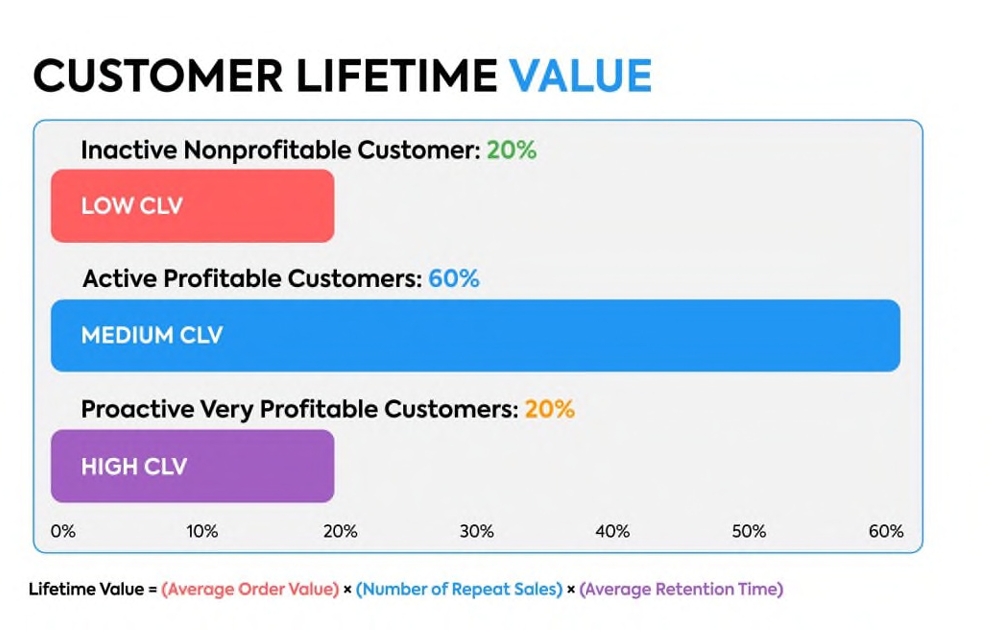
Photo Courtesy: Dmytro
The psychology of wholesale buyers involves a complex interplay of rational, emotional, and organizational factors. A thorough understanding of B2B client needs requires managers to use a comprehensive set of tools, including theoretical models (buyer center, hierarchy of needs) and practical methods (active listening, data analysis, decision maker mapping).
A research-informed approach to customer psychology enables a shift from standard commercial offers to customized value propositions aligned with specific customer goals and motivations. Incorporating psychological insights into sales strategies and customer relationship management supports the development of strong partnerships, improved loyalty, and a sustainable competitive advantage in the B2B segment. The article’s recommendations are intended for managers and heads of sales and marketing departments in companies of various sizes operating in the wholesale market and may serve as a foundation for corporate training and CRM strategy enhancement.
References
- Hutt M. D., Speh T. W. Business Marketing Management: B2B. 11th ed. Cengage Learning, 2012. 672 p.
- Kotler P., Keller K. L. Marketing Management. 15th ed. Pearson, 2015. 912 p.
- Rackham N. SPIN Selling. McGraw-Hill, 1988. 197 p.
- Sheth J. N. A Model of Industrial Buyer Behavior // Journal of Marketing. 1973. Vol. 37, № 4. P. 50–56.
- Webster F. E., Wind Y. A general model for understanding organizational buying behavior // Journal of Marketing. 1972. Vol. 36, № 2. P. 12–19.
Disclaimer: This article is intended for informational and educational purposes only. It does not constitute professional advice, and the effectiveness of the methods discussed may vary based on individual business contexts. Readers should consider consulting qualified professionals before implementing any specific strategies.