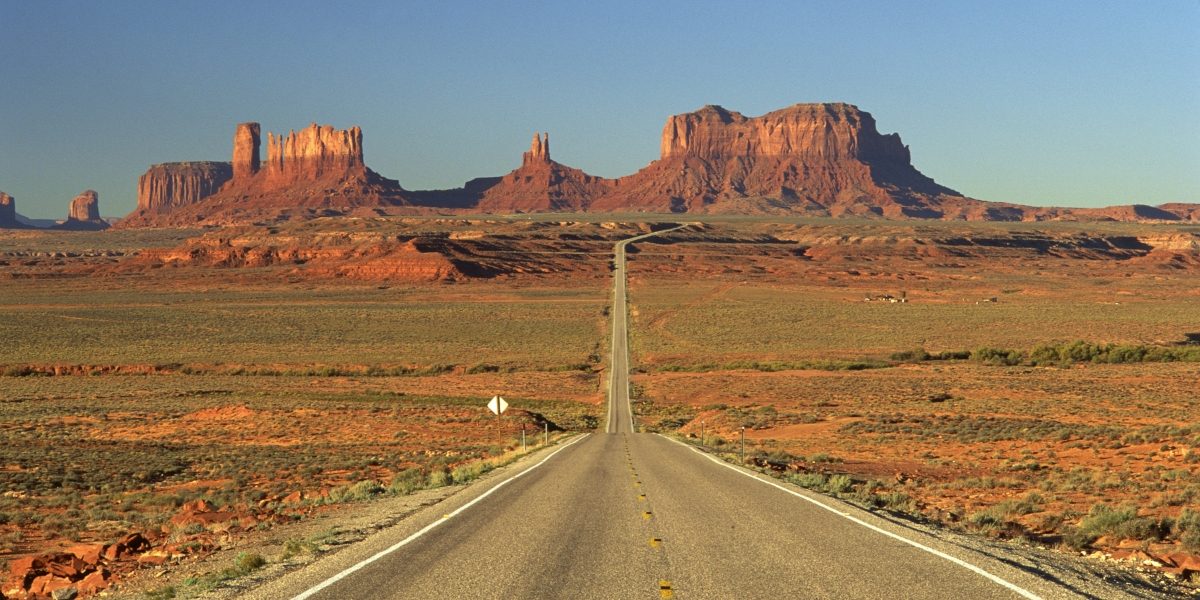

A Southern Utah trip can include red-rock hikes, scenic drives, national parks, family activities, and quiet evenings under wide-open skies. The right place to stay should support those plans rather than create extra driving, packing, or scheduling stress.
Accommodation decisions affect more than comfort. A poorly located property can add hours behind the wheel during a short weekend. A room without a kitchen may increase meal costs for a family. A secluded retreat may be ideal for couples but less practical for travelers planning early morning hikes or several park visits. Matching the stay to the itinerary helps travelers use their time and budget more effectively.
Start With the Trip You Are Actually Planning
Southern Utah covers a broad area, so travelers should identify their primary activities before comparing properties. Someone visiting Zion National Park will have different needs from someone exploring Snow Canyon State Park, Bryce Canyon, or the recreational areas around St. George.
For National Park-Focused Trips
If the itinerary centers on Zion, proximity to trail access and shuttle routes may be more valuable than extra room size. Early starts are common during warmer months, when parking fills quickly and midday temperatures can make exposed trails less comfortable. Staying within a manageable distance of the park entrance or shuttle service can reduce morning delays.
Travelers planning to visit multiple parks should consider whether one central location truly saves time. A single base may simplify reservations, but long drives can reduce the hours available for hiking and sightseeing. For an itinerary that includes Zion, Bryce Canyon, and Capitol Reef, splitting the stay between two areas may be more efficient than returning to one property every night.
For St. George and Red-Cliff Recreation
St. George works well for visitors combining outdoor activities with restaurants, shopping, golf, cultural attractions, or family entertainment. Accommodations near the city may suit travelers who want easy access to dining and supplies after a day outdoors.
Those planning hikes at Snow Canyon, biking near Ivins, or exploring nearby state parks may prefer a quieter property closer to the red-rock landscape. This can provide a more relaxed evening setting while keeping scenic areas within a short drive.
Match Amenities to Your Travel Style
Location is only part of the decision. The property itself should fit how travelers expect to spend their downtime.
Families and Longer Stays
Families often benefit from multiple bedrooms, laundry access, a full kitchen, outdoor space, and convenient parking. These features can reduce restaurant spending and make it easier to manage children’s schedules after a hot or active day. A washer and dryer can also be useful when hiking, swimming, or traveling for a week or longer.
Before booking, check whether the sleeping arrangement works for the entire group. A property advertised for six guests may rely on sofa beds or shared spaces that are less comfortable for extended stays.
Couples and Quiet Getaways
Couples may place greater value on privacy, views, a comfortable outdoor area, and a calm setting than on proximity to a large commercial district. A private patio or well-designed living space can turn the accommodation into part of the experience, especially when the itinerary includes slower mornings and sunset drives.
However, seclusion should be weighed against convenience. If the property is far from groceries, restaurants, and fuel, travelers should plan those stops before arriving.
Groups Seeking Outdoor Access
Groups of friends or multigenerational travelers should look for enough common space, bathrooms, parking, and storage for outdoor equipment. A spacious rental can be more practical than several separate hotel rooms, but only if the layout supports shared meals and personal privacy.
Travelers comparing upscale properties can use Southern Utah Luxury as a reference point when evaluating the level of design, setting, and amenities available in the region.
Consider Season, Timing, and Total Cost
Southern Utah accommodations can feel very different depending on the season. Summer brings long daylight hours but also intense heat, making air conditioning, shaded outdoor areas, and access to a pool more valuable. Spring and fall may offer better hiking conditions, but popular weekends can fill quickly. Winter generally brings lower demand in some areas, although shorter daylight and occasional weather changes can affect driving plans.
The nightly rate is not the complete cost. Travelers should account for cleaning fees, resort charges, parking, food, fuel, and the cost of changing locations. A slightly more expensive property near the itinerary may cost less overall if it eliminates unnecessary driving and restaurant meals.
The best accommodation is the one that supports the trip’s actual priorities. By comparing location, layout, amenities, season, and total expense, visitors can choose a Southern Utah stay that makes the itinerary easier to enjoy rather than harder to manage.