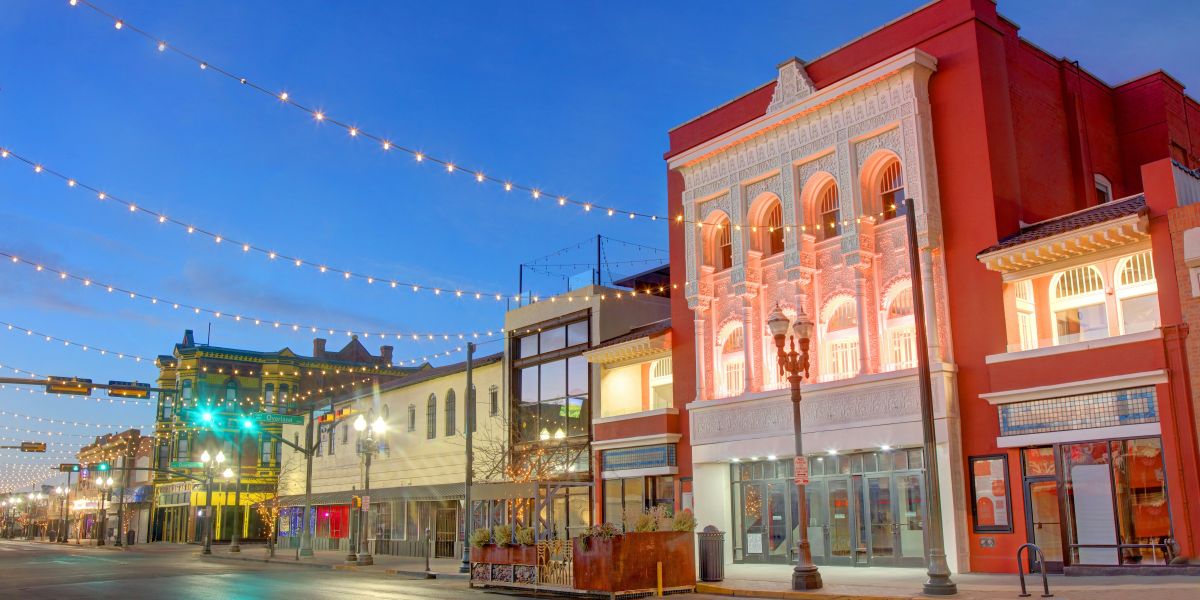


For Cayuga Capital Management, adaptive reuse is becoming a crucial aspect of urban development as cities strive to balance growth with sustainability and affordability. By repurposing existing buildings, communities can preserve their architectural roots while reducing environmental impact and construction waste. Whether it’s a historic building transformed into a public hub or a warehouse repurposed as workspaces, adaptive reuse fosters collaboration and innovation, which in turn boosts foot traffic, commerce, and public engagement.
Adaptive Reuse and Its Role in Urban Growth
Adaptive reuse is the process of transforming existing or underutilized buildings into spaces that meet current needs. It’s commonly applied to structures such as former schools, warehouses, or factories that may no longer serve their original function but still retain some value.
In growing neighborhoods, this helps cities evolve without losing their existing framework. A retired post office might become a community center, or an outdated department store could turn into a co-working hub. These allow cities to meet current demand while leveraging existing infrastructure, avoiding unnecessary demolition or sprawl.
Preserving Local Identity
Adaptive reuse helps preserve a neighborhood’s authenticity by preserving buildings with historical or cultural significance. When older architecture is restored rather than replaced, it maintains the visual language that defines a community’s character. People often feel more connected to a place when familiar landmarks remain part of the streetscape.
In many cities, renovated train stations have become bustling public markets or art spaces while still echoing their original design. This blend of old and new fosters a sense of continuity, encouraging residents to take pride in their surroundings and heritage.
Boosting Economic Activity and Job Creation
Repurposing existing buildings often sparks new waves of economic opportunity. When a vacant warehouse is converted into retail space or a tech startup hub, it attracts foot traffic and drives local commerce. These projects can also attract private investment, which helps revitalize surrounding areas and stimulate further development.
During the renovation phase, construction crews, architects, and local contractors benefit, and once completed, the space supports jobs in hospitality, retail, and other service sectors. Small businesses, in particular, find value in leasing unique, character-rich spaces that are often more affordable than new construction. These ventures can act as catalysts, encouraging other entrepreneurs to invest in previously overlooked areas.
Promoting Environmental Sustainability
Renovating existing buildings reduces demand for new materials, helping limit energy use and construction waste. Rather than sending tons of concrete and steel to landfills, adaptive reuse preserves much of a structure’s original components, reducing the carbon footprint of urban development.
A former textile mill transformed into an apartment complex might keep its brick exterior and timber beams, offering charm while avoiding the environmental toll of full demolition. In many cases, these updated spaces are retrofitted with energy-efficient systems, blending old-world craftsmanship with modern sustainability.
Enhancing Neighborhood Access and Connectivity
Repurposed buildings often become key anchors in walkable, mixed-use districts. A once-abandoned church might now house a public library or shared studio space, drawing people into the neighborhood and making resources more accessible. These conversions contribute to a more vibrant, connected urban experience and often encourage local foot traffic that benefits surrounding businesses.
Communities benefit when these projects are located near public transit or bike routes, allowing people to navigate their daily routines without relying solely on cars. Over time, these reused spaces can help stitch together fragmented parts of a city, encouraging foot traffic and social interaction.
Overcoming Barriers
Of course, challenges do arise. Zoning restrictions, outdated infrastructure, and renovation costs can complicate the process. However, thoughtful planning and community involvement often make the difference. When residents have a voice in shaping these projects, the end result tends to reflect the neighborhood’s true priorities.
Disclaimer: The information provided in this article is for general informational purposes only. While adaptive reuse offers potential benefits for urban development, the views and opinions expressed here do not constitute professional advice. Always consult with qualified urban planning, construction, or legal experts before engaging in any projects or investments. The impact of adaptive reuse may vary depending on location, existing infrastructure, and community needs.