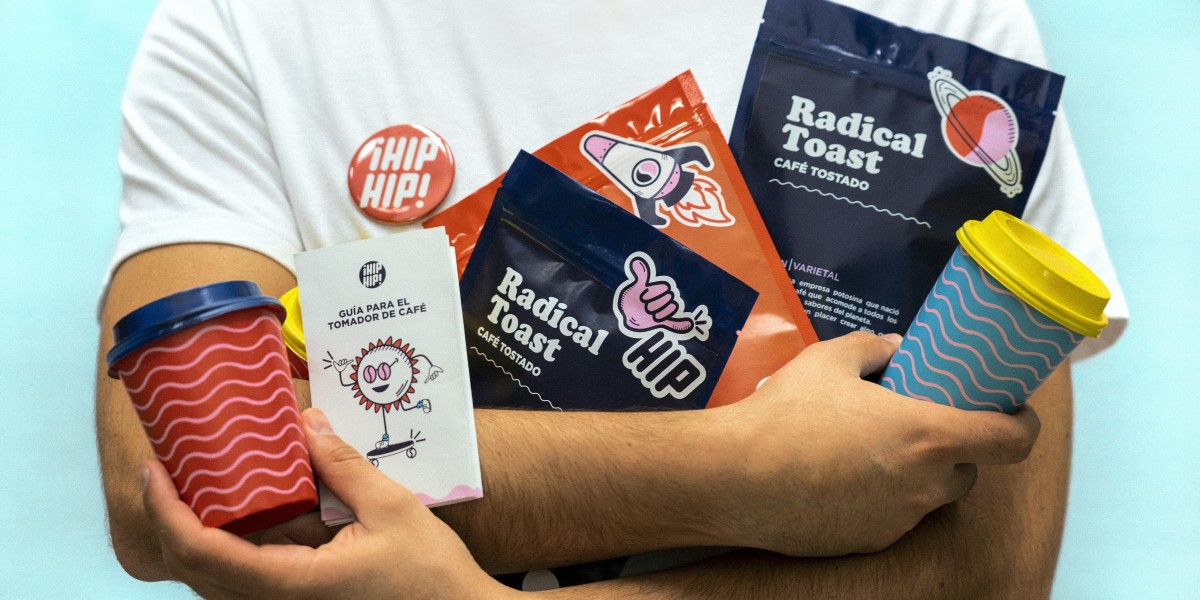


In today’s fast-paced business landscape, advertising and promotional products have emerged as powerful tools for enhancing brand visibility and engagement. These customized items, ranging from T-shirts and mugs to USB chargers and tote bags, serve as tangible reminders of a company’s presence, effortlessly integrating into daily life. By strategically distributing these branded goods, businesses can create lasting impressions on current and potential customers alike.
Promotional products aren’t just about giving away freebies; they’re about crafting a memorable experience that resonates with the recipient. Whether it’s a swag bag for new employees or a branded pen for prospective students, these items foster a connection between the brand and its audience. The versatility of promotional products allows organizations across various sectors—commercial, nonprofit, academic, and governmental—to leverage them for diverse marketing objectives.
As companies navigate the complexities of modern marketing, the strategic use of promotional products can drive brand awareness and deliver a significant return on investment.
Understanding Promotional Products
Promotional products are branded items companies give away to bolster their marketing efforts. These items, which include T-shirts, mugs, and keychains, serve as effective tools for brand visibility. By adding a company’s logo or message, these products provide constant exposure and keep the brand front of mind for recipients.
Promotional items offer various strategic benefits. A standout feature is their ability to create ongoing impressions by being useful and memorable. Many consumers actively enjoy receiving these products, with a majority of 94% expressing a liking for them, as supported by PPAI’s 2021 Consumer Study Report. Companies use promotional products to enhance brand identity and modify consumer behavior effectively.
Promotional products drive brand recognition and customer loyalty. Statistics reveal that 76% of consumers recall the brand name on a promotional item. These products can shift brand perceptions, which can be crucial for sectors aiming to align their identity with specific attributes. For instance, healthcare brands may use wellness-themed items to resonate with consumers’ health priorities.
Businesses use promotional products across diverse contexts. From trade shows to corporate events, these items are versatile marketing assets. They serve purposes such as employee appreciation, customer engagement, and investor relations. Companies strategize around these products, customizing them to meet the varied needs of their audience. This adaptability ensures that promotional products remain powerful marketing tools adaptable to different industries and objectives.
Popular Types of Promotional Products
Promotional products play a crucial role in brand promotion by offering practical items that keep a company’s logo in constant circulation. They create long-lasting impressions and serve various marketing purposes.
Pens and Stationery
Pens are versatile promotional items due to their widespread use. Quality options include plastic, metal, and stylus pens. These writing instruments can be personalized with logos or messages, promoting brand recognition each time they’re used. Other stationery like custom notebooks, post-it notes, and magnets also provide effective marketing tools. They’re convenient to distribute and widely applicable in settings like offices or events.
Drinkware and Bags
Drinkware items such as mugs, tumblers, and water bottles offer high visibility. They’re used throughout the day in offices, gyms, and during travel, ensuring consistent brand exposure. In particular, stainless steel insulated tumblers and custom water bottles with unique designs are trending. Custom bags, such as drawstring or tote bags, further enhance brand presence as they’re practical for carrying essentials.
Apparel and Accessories
Apparel items such as T-shirts and caps serve as wearable advertisements. These items often feature company logos or taglines, generating extensive exposure. Accessories like lanyards and keychains are highly valued due to their functionality and portability. Such products can expand a brand’s reach by transforming wearers and users into brand ambassadors.
Photo: Pexels.com
How Promotional Products Enhance Marketing Strategies
Promotional products play a key role in marketing by increasing brand visibility. Items like custom writing instruments, bags, and drinkware are frequently used and seen by many people. This helps generate numerous brand impressions at an affordable cost. According to a PPAI study, 83% of people like receiving promotional products with an advertising message, highlighting their effectiveness.
Promotional products offer long-term exposure. Unlike traditional ads, items like mugs and reusable water bottles ensure repeated brand interaction for long periods. For instance, a coffee mug used daily can provide exposure for months, constantly reminding users of the brand.
The practicality and utility of promotional products drive their success. Items such as tote bags, pens, and hats are kept and used often, creating ongoing engagement. A study by the Advertising Specialty Institute shows that 85% of people remembered the brand on a promotional product they received.
These products also help in reinforcing brand identity. Apparel and accessories like T-shirts and caps can turn wearers into brand ambassadors. When people wear these items, they become mobile advertisements, enhancing brand recognition in various settings.
Promotional items are versatile for achieving multiple marketing goals. From boosting sales at trade shows to increasing customer retention through appreciation gifts, they cover broad objectives. Companies can leverage them to build relationships with stakeholders, improving loyalty and long-term engagement.
Selecting the Right Promotional Products for Your Brand
Effective promotional products align with your brand strategy and audience preferences. They enhance brand visibility and engagement when chosen wisely.
Audience Considerations
Understanding the target audience’s preferences and needs is crucial for selecting impactful promotional items. The Advertising Specialty Institute’s (ASI) Ad Impressions Study indicates distinct preferences across regions and demographics. For instance, outerwear and performance wear are influential in the US, while umbrellas gain traction in the Northeast. Gender-specific trends also matter; men often prefer outerwear, performance wear, and writing instruments, whereas women lean towards outerwear, health and safety items, and bags. Tailoring promotional products to these preferences enhances their effectiveness.
Budget and Quantity
Budget constraints and quantity requirements dictate the selection of promotional products. Aligning the chosen items with available resources ensures that campaigns remain financially viable. Incorporating high-impact yet cost-effective items maximizes the return on investment. Industries must balance quality with quantity to maintain brand image. For example, selecting fewer high-quality items may yield better long-term brand impressions than numerous low-quality alternatives.
Designing Effective Promotional Items
When it comes to designing effective promotional items, businesses should focus on aligning these products with their brand strategy and audience preferences. Understanding what resonates with the target audience can significantly enhance the impact of promotional efforts. It’s essential to choose items that are not only practical and useful but also reflective of the brand’s identity and message. By carefully selecting high-quality products that maintain brand integrity, companies can ensure a strong return on investment. Ultimately, promotional products serve as a powerful tool in a brand’s marketing arsenal, capable of creating lasting impressions and strengthening customer connections across various platforms and events.
Frequently Asked Questions
What are promotional products, and why are they important?
Promotional products are branded items given away by companies to enhance their marketing efforts. They are important because they boost brand visibility and foster customer engagement by creating lasting impressions. Items like T-shirts, mugs, and pens remind customers of the brand and can transform recipients into brand ambassadors. These products are not just giveaways but strategic marketing tools that drive brand recognition and loyalty across various sectors, delivering a strong return on investment.
How do promotional products affect consumer behavior?
Promotional products significantly impact consumer behavior by enhancing brand identity and recognition. According to a PPAI study, 94% of consumers like promotional products, and 76% recall the brand name after receiving them. This boosts customer loyalty and encourages positive consumer actions, such as repeat purchases or engagement with the brand. By serving as constant reminders of a company’s presence, these items can effectively alter consumer perceptions and behaviors.
What types of promotional products are effective?
Effective promotional products are practical and useful, ensuring repeated use and ongoing brand exposure. Items like pens, stationery, reusable drinkware, bags, and apparel such as T-shirts and caps, are highly effective. These products are versatile and provide high visibility, making them ideal for keeping a brand in circulation. Their practicality ensures that users frequently interact with the brand, reinforcing brand identity and enhancing marketing strategies.
How do companies select the right promotional products?
Selecting the right promotional products involves aligning them with the brand strategy and understanding the target audience’s preferences. It’s important to consider the audience’s distinct likes and needs, as suggested by the Advertising Specialty Institute’s Ad Impressions Study. Budget considerations are crucial, ensuring a balance between quality and quantity to maintain brand image and maximize return on investment. By tailoring products to specific goals and audiences, companies can enhance effectiveness and create lasting impressions.
What are the typical costs associated with promotional products?
The cost of promotional products can vary widely, ranging from 10 cents to over $1,000, depending on the item and customization level. The average cost is around $1 per item. Companies need to consider their budget and target audience when choosing promotional items to ensure they achieve the desired impact while maintaining affordability and quality.
Published by: Khy Talara