

By: Matt Emma
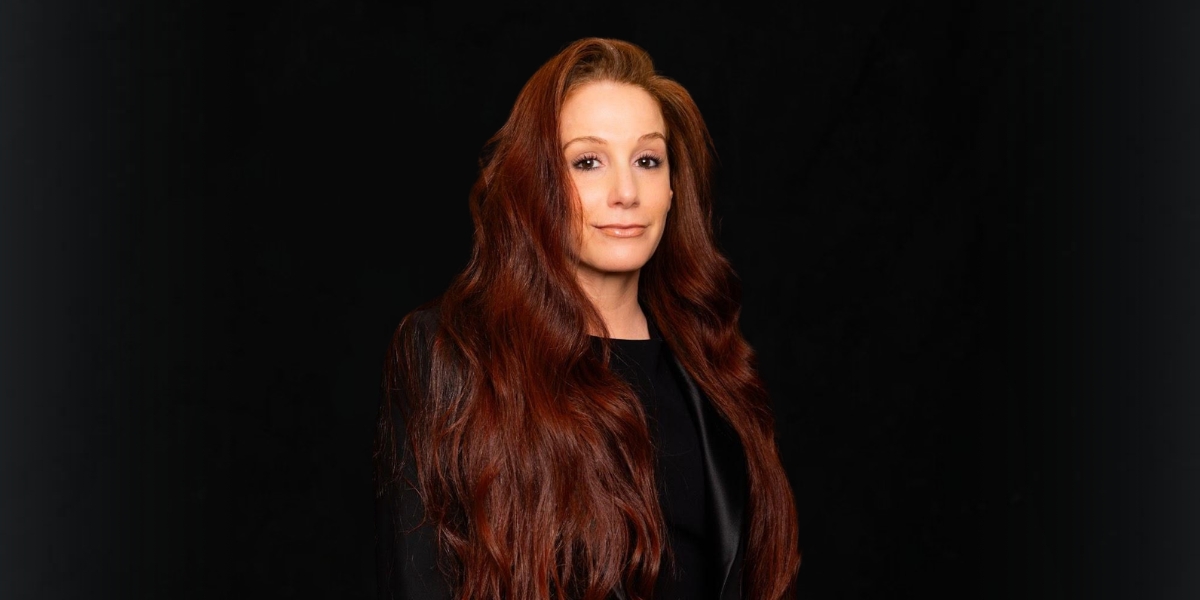
Diversity, Equity, and Inclusion (DEI) has become a defining priority for nonprofits and charter schools, particularly in how they recruit and support diverse communities. Yet, according to Katie Warnock, CEO of Staffing Boutique, the conversation often stops short of where its impact could be most meaningful. She explains that while organizations invest in building diverse teams, fewer examine whether their vendor relationships reflect the same values, creating a disconnect between intention and execution.
Staffing Boutique operates within the nonprofit and charter school sector, supporting organizations with recruitment strategies tailored to education and mission-driven environments. With more than two decades of experience in this space, Warnock has developed a perspective shaped by direct involvement in hiring, operations, and day-to-day client engagement. She frames her work as embedded, allowing her to see patterns as they emerge and evolve.
From her perspective, DEI has not diminished in importance within nonprofits. Instead, she notes that it remains deeply embedded in hiring practices and public-facing messaging. However, she suggests that organizations consider whether those commitments extend beyond staffing. “If you are committed to diversity in your hiring, but your vendors do not reflect those same values, then you may be addressing only part of the equation,” Warnock explains. “DEI should be reflected in every operational decision, not just those tied to workforce composition.”
She suggests that this gap is not always intentional. Many organizations treat hiring and vendor selection as separate functions, without recognizing how both contribute to broader economic inclusion. Warnock observes that partnerships with large, private equity-backed firms often feel like the default choice, particularly when board networks or existing relationships influence decisions. At the same time, she encourages organizations to consider how these choices could shape opportunities within their ecosystem.
Her argument is also grounded in economic impact. According to a report, companies in the top quartile for ethnic diversity are 36% more likely to outperform financially, reinforcing the broader value of inclusive practices. Warnock connects this idea to vendor selection, suggesting that extending inclusion to procurement can create additional pathways for underrepresented businesses to participate in economic growth. In her view, this is where DEI moves from principle to practice.
She also points to policy frameworks that reinforce this approach. New York State Executive Law Article 15-A establishes requirements for state agencies to promote participation from minority and women-owned business enterprises in public contracting, covering everything from contracts and subcontracts to certain areas of procurement. The legislation not only sets participation goals but also introduces mechanisms such as certification programs and oversight through the Division of Minority and Women’s Business Development, aiming to ensure that these opportunities are structured and measurable.
Warnock suggests that frameworks like this demonstrate how DEI can move beyond intent and into operational accountability. She notes that incorporating these considerations into budgets as a defined line item helps ensure that inclusion is not treated as an afterthought, but as a planned and trackable component of organizational strategy.
In ongoing conversations across the sector, Warnock notes that the reactions have consistently reinforced the gap she focused on. “The feedback has further supported what I have seen firsthand for years,” she says. “There are businesses ready to contribute, but they are not always given a seat at the table.”
Her connection to New York City adds another layer to her viewpoint. Having built her career within the city’s nonprofit and education ecosystem, Warnock is closely tied to the communities she serves. She references her familiarity with local schools, neighborhoods, and networks as part of what informs her approach. This proximity, she explains, reinforces the importance of aligning organizational values with real-world impact, particularly in communities where those decisions are felt most directly.
At its core, her message is a call for reflection rather than criticism. Warnock suggests that organizations take a closer look at how their values are expressed across all aspects of their work, from hiring to partnerships. “DEI is not something that should only exist in mission statements or internal policies,” she explains. “It has to show up in how decisions are made every day, including who you choose to work with.”
As nonprofits continue to navigate evolving expectations around inclusion, her perspective introduces a broader lens. By extending DEI beyond hiring and into operational choices, organizations may find new ways to align their actions with their stated commitments, creating a more consistent and comprehensive approach to inclusion.