

Image Commercially Licensed From: Unsplash
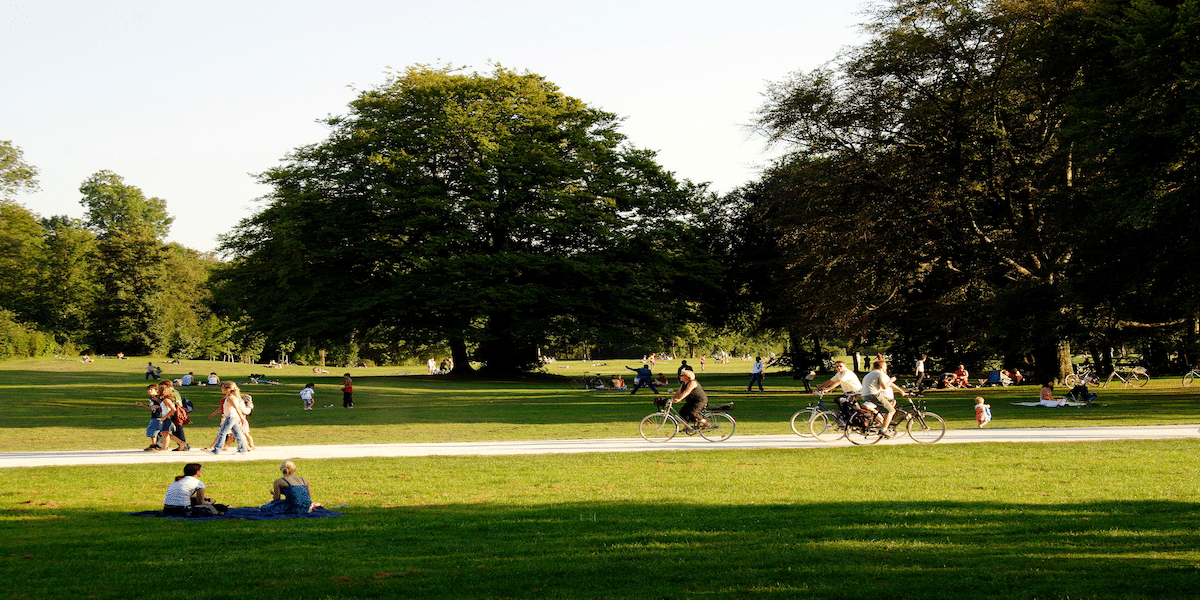
In the heart of modern urban landscapes, the importance of synergizing city management with the provision of outdoor recreational spaces is becoming increasingly vital. As cities continue to grow and evolve, the challenge of ensuring accessible and sustainable recreational areas is more crucial than ever. The integration of these spaces within urban planning is a necessary component for the well-being of city dwellers.
Outdoor recreational spaces serve as essential havens for physical activity, mental relaxation, and social interaction. In a world where urban life often means confined spaces and hectic schedules, these areas offer a respite—a place to breathe, move, and connect with nature and community. They are instrumental in promoting physical health, offering an antidote to the sedentary lifestyle that characterizes much of city living. These spaces play a critical role in enhancing mental well-being, providing an escape from the stress and noise of urban environments.
Patrick Marsh, a seasoned city manager who has served in this role in Nevada and Wisconsin, understands firsthand how the thoughtful integration of recreational spaces within cityscapes serves as a commitment to environmental sustainability and community cohesion. Green spaces contribute to urban biodiversity, help mitigate the effects of climate change, and enhance the aesthetic quality of the city. Equally important is the role these spaces play in fostering a sense of community. Patrick Marsh, City Manager lends his wisdom and experience to discussing the necessary balance between city management and outdoor recreation.
Urban Planning and Recreation Spaces
In many cities, specifically those with high population densities, finding space for designated recreational areas is a significant challenge. Urban sprawl and the high cost of land often leave little room for parks and green spaces. The concept of vertical parks and rooftop gardens is just one creative solution to this issue. These innovative approaches make use of underutilized spaces in urban areas, such as abandoned lots or building rooftops, to provide green relief. Additionally, transforming underused areas, like old rail lines and industrial sites, into recreational spaces can add valuable green spaces without requiring additional land.
“Developing and maintaining outdoor recreational spaces can be financially demanding and a challenge for city managers,” says Patrick Marsh. “The barrier to entry is often compounded by budget constraints and competing priorities in city management.”
Public-private partnerships can be a viable solution to this challenge. By involving private entities in the development and maintenance of recreational spaces, cities can offset some of the financial burdens. Adopt-a-park programs, where businesses and community groups contribute to the upkeep of these spaces, can also be beneficial. Additionally, incorporating sustainable design elements that require minimal maintenance can reduce long-term costs.
Ensuring Accessibility and Inclusivity
Ensuring that recreational spaces are accessible and welcoming to all segments of the population is a challenge. This includes addressing the needs of the elderly, children, people with mobility restrictions, and economically disadvantaged groups.
Inclusive design principles should guide the creation of these spaces. This involves designing parks and recreational areas that are easily accessible by public transport, incorporating features like ramps, tactile paths for the visually impaired, and playgrounds that are safe for children of all abilities. Community involvement in the planning process can also ensure that the design of these spaces reflects the needs and desires of the local population.
While integrating outdoor recreation into urban planning poses its challenges, the opportunities it presents for enhancing the quality of life in cities are immense. Creative solutions, sustainable approaches, and inclusive designs can help overcome these challenges, leading to cities that are not only more livable but also vibrant and resilient.
Environmental Impact and Sustainability
The introduction of green spaces within urban environments plays a pivotal role in preserving and enhancing biodiversity. Parks, gardens, and natural areas serve as crucial habitats for various species, creating a mosaic of ecological niches amidst the concrete landscape of cities. The presence of diverse plant life in these green spaces provides food and shelter for a range of animals, including birds, insects, and small mammals, contributing to an urban ecosystem’s health and resilience.
Urban green spaces act as biodiversity hotspots, often housing a variety of flora and fauna that may not be found in surrounding rural areas. This diversity enriches the lives of city dwellers, offering them a chance to connect with nature in their daily lives. The presence of diverse plant species contributes to the ecological balance by improving air and water quality and aiding in carbon sequestration.
Notes Marsh, “To maximize the biodiversity benefits of urban green spaces, city managers, planners, and environmentalists are increasingly advocating for the use of native plant species in landscaping.”
Native plants are better adapted to local conditions and require less maintenance, water, and fertilizers than non-native species. They also provide essential habitats and food sources for local wildlife, supporting the natural ecosystems.
Sustainable Practices: How Cities Can Manage These Spaces Sustainably
Sustainable management of urban green spaces involves practices that ensure their longevity and minimize their ecological footprint. One of the critical aspects is water management. Implementing efficient irrigation systems, such as drip irrigation or the use of reclaimed water, can significantly reduce water usage. Rainwater harvesting systems in parks can also provide a sustainable water source for maintaining these green spaces.
The choice of materials used in urban parks and recreational areas is another area where sustainability can be emphasized. Using recycled or sustainably sourced materials for park benches, pathways, and playground equipment reduces the environmental impact of these spaces. In addition, employing organic gardening practices, avoiding chemical fertilizers and pesticides, and promoting natural pest control methods contribute to a healthier, more sustainable environment.
City Manager’s Role in Inclusive Design of Recreational Spaces
For a city manager, ensuring inclusive design in urban recreational spaces is a strategic priority that requires a thoughtful and proactive approach. The role involves coordinating with urban planners, architects, and accessibility experts to create spaces that are universally accessible and welcoming to all demographics, including individuals with disabilities. This process begins with a thorough assessment of current recreational spaces, identifying areas where inclusivity could be improved.
“City managers must advocate for and allocate budgetary resources towards inclusive features like wide and smooth pathways, tactile paving, and accessible playground equipment,” says Marsh. “They play a key role in ensuring that inclusivity is not an afterthought but a foundational aspect of every project.”
This might involve organizing community consultations to gather input from diverse groups, ensuring that the needs of all citizens, especially those often marginalized, are considered in the design process. A city manager must champion the adoption of universal design principles across all new and existing recreational spaces, ensuring that these areas are not only physically accessible but also sensory-friendly and culturally welcoming.
Facilitating Community Programs in Outdoor Spaces
City managers are instrumental in fostering community-driven activities and programs in outdoor recreational spaces. They can facilitate partnerships with local organizations, nonprofits, and community groups to develop and implement a diverse range of activities that cater to various interests and age groups. By providing support and resources, city managers can help these programs flourish, turning parks and recreational areas into vibrant community hubs.
A significant part of this role involves outreach and engagement. City managers can initiate and support marketing and communication efforts to promote these programs, ensuring widespread community awareness and participation. Additionally, they can play a pivotal role in ensuring that these programs are sustainable, by seeking grants, sponsorships, and other funding opportunities.
Promoting Health Benefits Through Accessible Outdoor Recreation
City managers have a unique opportunity to advocate for and highlight the health benefits of accessible outdoor recreation. They can collaborate with public health departments and community health organizations to create initiatives that encourage physical activity and mental well-being through the use of recreational spaces. Part of this role involves integrating health considerations into the planning and development of these spaces.
This can include creating walking, jogging, and bike paths, installing outdoor fitness equipment, and ensuring that parks are safe and welcoming spaces for all. City managers can also support programs that specifically target health outcomes, such as outdoor fitness classes, walking clubs, and mental health awareness events. By emphasizing the health benefits of outdoor recreation, city managers can play a crucial role in improving the overall health and quality of life of urban residents.
Cost-Benefit Analysis: Analyzing the Economic Impact of Investing in Recreational Spaces
For a city manager, conducting a thorough cost-benefit analysis of investing in recreational spaces is a critical aspect of urban development. This analysis extends beyond the immediate costs of construction and maintenance to consider the broader economic impacts these spaces have on a community. The role of the city manager here is to quantify not just the financial outlay but also the economic benefits that these spaces bring, such as increased property values, improved public health, and enhanced community well-being.
City managers need to collaborate with economists, urban planners, and environmental experts to gather data and build a comprehensive picture of the economic returns. This process involves evaluating how parks and recreational areas can reduce healthcare costs by promoting physical activity, how they contribute to the aesthetic appeal of the city (thus raising property values), and their role in creating employment opportunities, both during construction and in ongoing maintenance and programming.
Local Economy and Long-Term Economic Benefits of Recreational Spaces
A key aspect of a city manager’s role is to understand and leverage the potential of outdoor recreational spaces to boost local tourism and the economy. Parks, gardens, and recreational facilities can become major tourist attractions, drawing visitors from outside the city and even internationally. The city manager must work closely with tourism departments and local businesses to market these spaces effectively, integrating them into the broader tourism strategy of the city.
To maximize the economic benefits of tourism, city managers can initiate and support the development of infrastructure around these recreational spaces, such as hotels, restaurants, and retail outlets. They also have a role in ensuring that these spaces host events and activities, like festivals, concerts, and sports events, which can attract visitors and stimulate local spending.
The long-term economic benefits of investing in outdoor recreational spaces are substantial and multifaceted, and a city manager plays a pivotal role in realizing these benefits. Healthier communities fostered through accessible and engaging outdoor spaces, can lead to reduced healthcare costs and increased productivity. The city manager must advocate for these spaces as investments in public health and well-being, understanding that the benefits, while sometimes intangible, have significant long-term economic impacts.
Well-maintained and vibrant recreational spaces contribute to a higher quality of life, making the city more attractive to businesses and potential residents. As Patrick Marsh, City Manager notes “Recreation is often thought of as a luxury in local governments, but providing a variety of recreational alternatives to residents, both young and old, is key to a great quality of life in all communities.” This attractiveness can lead to economic growth, as businesses are more likely to invest in areas where employees have access to a high quality of life. City managers must, therefore, consider recreational spaces as part of the city’s economic development and branding strategy.
With increasing urbanization and environmental challenges, city managers will play a pivotal role in innovating sustainable and resilient recreational spaces in years to come. These efforts will not only enhance the quality of urban life but also ensure the long-term sustainability and economic vitality of cities. As urban landscapes continue to grow and change, the balanced integration of outdoor recreational spaces will remain a key component in shaping vibrant, healthy, and dynamic urban communities.