
By: Mitchell Bosco
The book reads as a direct note passed between people who have worked a twelve-hour shift and then had to make decisions about staffing, safety, and morale. It stands out because it is not trying to make clinical leadership sound overly polished or simple. It is honest about how messy it can feel to be asked to lead while still carrying the patient load.
Reading it made me feel a little raw and a little seen. There are parts where the book feels like it is calling out the tired routines that keep teams stuck. I found myself agreeing with the tension in the pages, and also feeling the urge to do something differently the next day. This is not the kind of book that makes a reader feel smart for finishing it. It makes a reader feel the work: the pulling, the holding, and the argument between compassion and accountability.
The strongest thread is the way it refuses to separate clinical skill and leadership. It argues that strong care often depends on people who can see the whole space, not just the patient at hand. That resonates beyond hospitals because it is really about being responsible for the people around them and for the system they are part of. The book also lands on the idea that leadership is not a ladder someone climbs. It is a set of choices made with the people already there, and often the hardest choice is choosing to listen and to change.
The style is plain and immediate. It is not dressed up with overly ornate language or abstract models. That makes it feel more trustworthy. The chapters do not read like polished essays. They read like stories from real days, with an occasional blunt reflection that stuck with me. There are fewer shiny frameworks and more practical questions. The author does not waste time telling readers that leadership matters. He shows it through examples and then gives them simple language to talk about it.
The book also has a surprising warmth. It does not deny that healthcare can be demanding. But it also keeps reminding the reader that there is dignity in the work and in the people who do it. That balance was what made the reading experience feel less like a critique and more like a challenge to be better. I liked that it did not pretend there is a quick fix. It suggests that change can be slow and often awkward, but still worth the effort.
When I put it down, I was left thinking about the small acts that build trust and about the way leaders are made by showing up consistently. It feels like a book that would be useful for someone who is already tired of the usual leadership chatter and wants something closer to the actual experience of working in healthcare. It is not perfect, and that is part of its appeal. It feels like a real voice speaking to people who are still doing the work while trying to change how the work gets done.
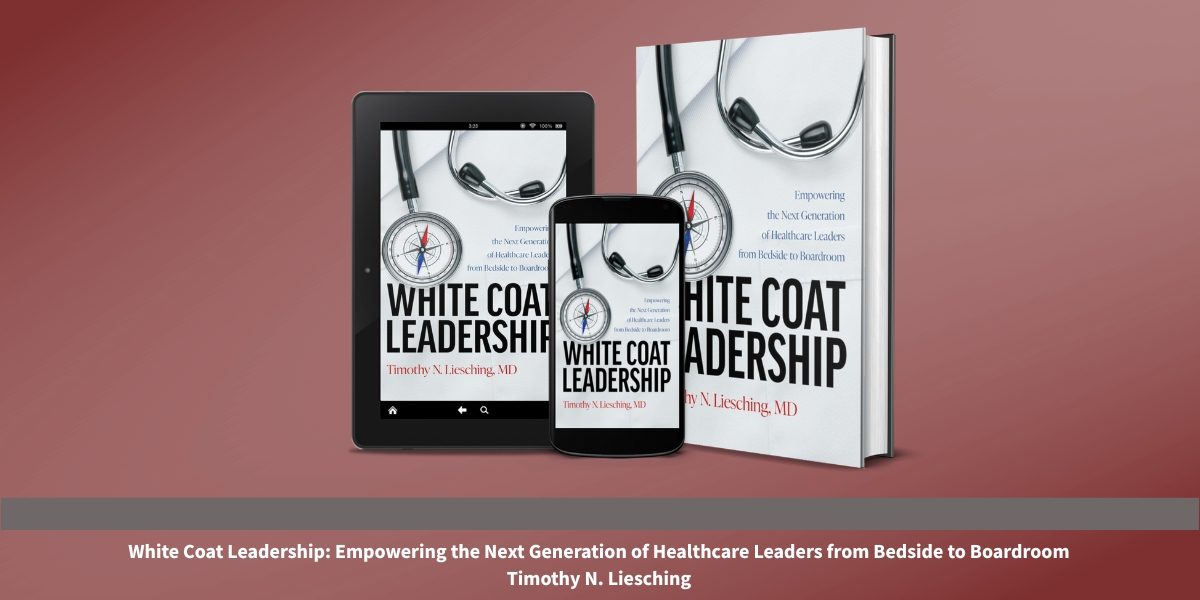
Get your copy of White Coat Leadership: Empowering the Next Generation of Healthcare Leaders from Bedside to Boardroom on Amazon.